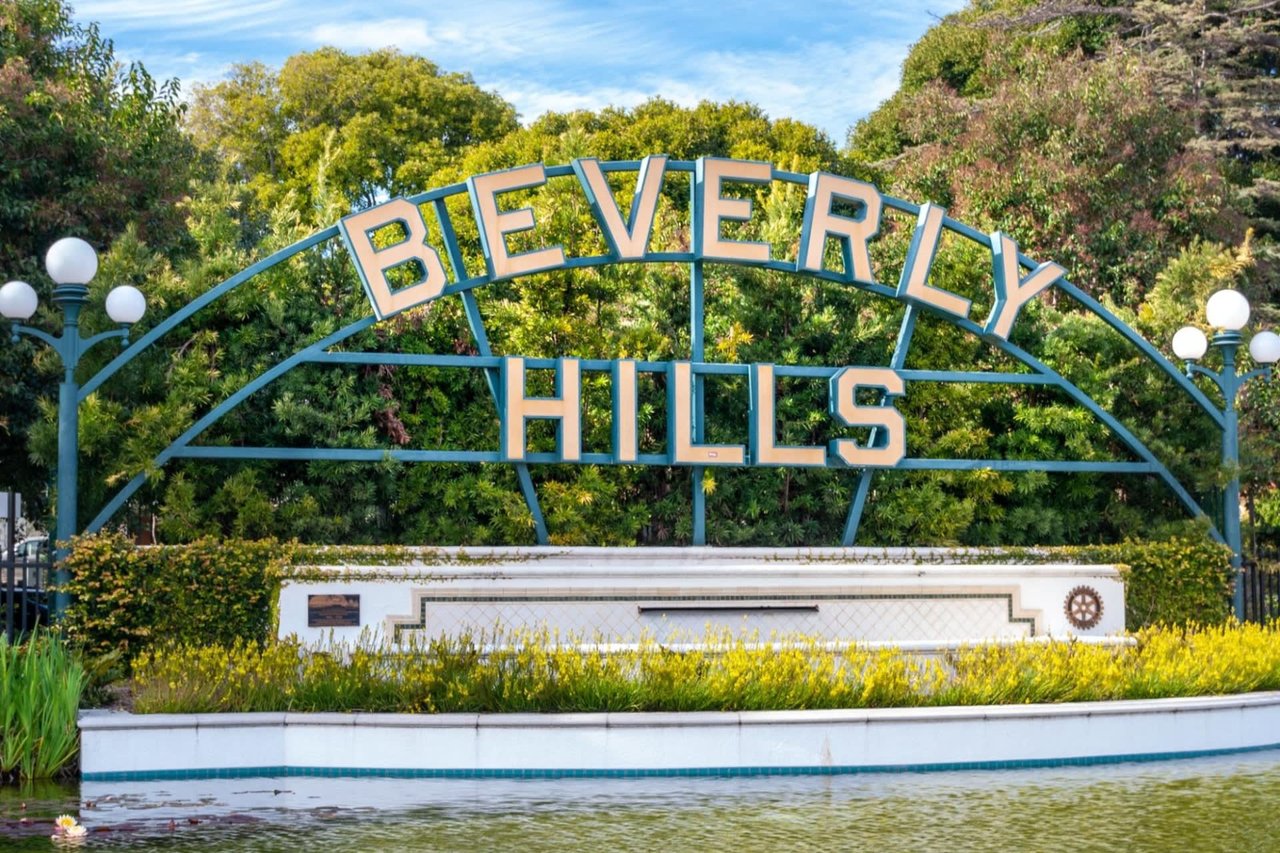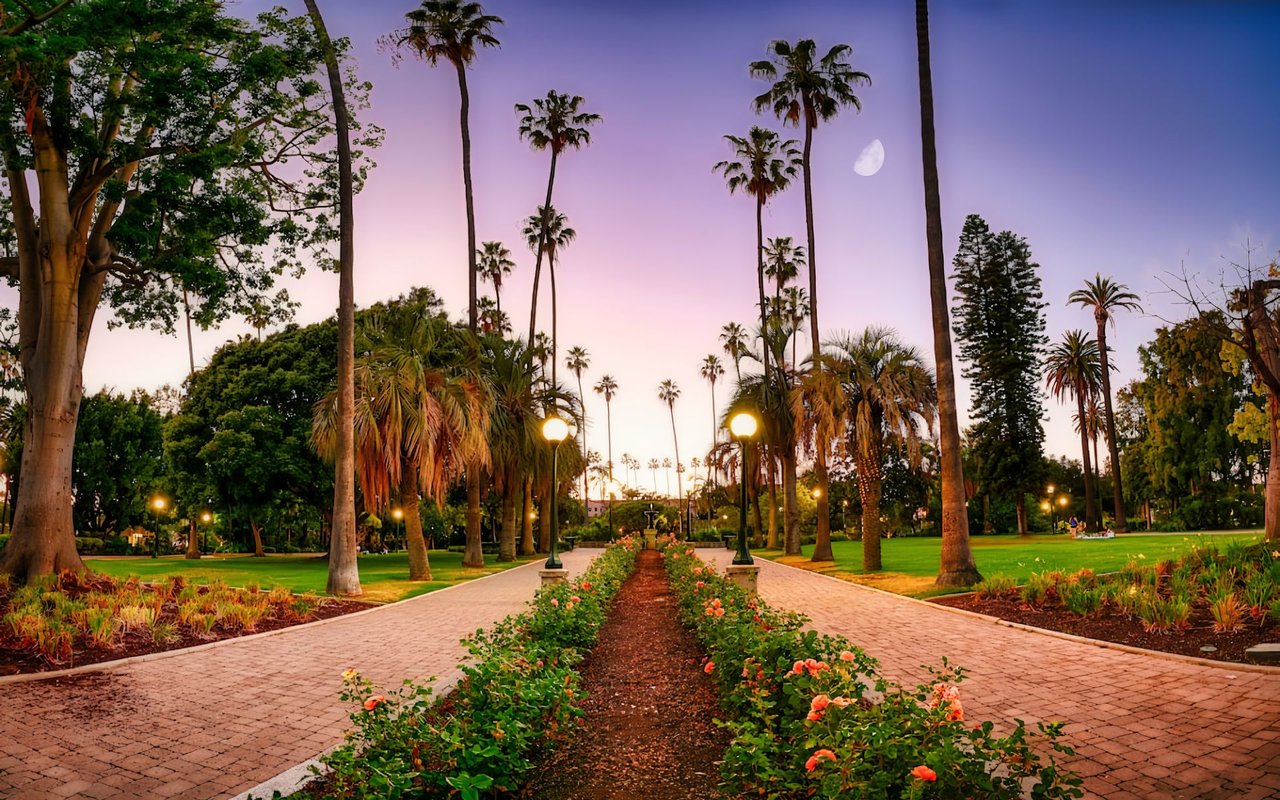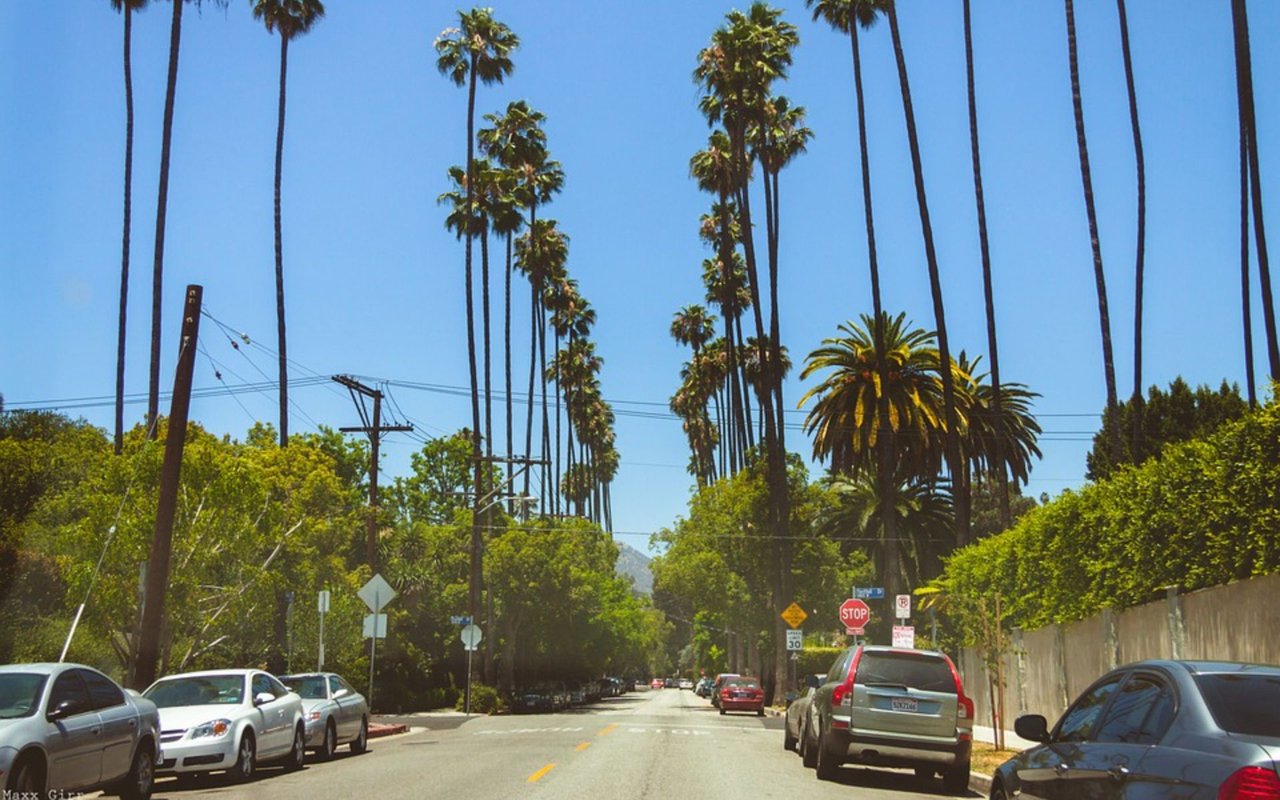
The grass behind the Montage went dark this past Thursday for the first time since early June. No folding chairs staked out by 5:30, no bassline drifting past the hotel bar, no line at the info table for a validated parking stub. Beverly Cañon Gardens, the small park at 241 North Cañon Drive that has carried the city's free summer concert series since 2010, finished its 2026 run in the third week of August, and the silence is the most reliable clock Beverly Hills has for the turn of the season.
For anyone who has spent a summer Thursday on that lawn, the absence registers before the calendar does. What is less obvious, unless you have been paying attention to the four blocks around it, is where that Thursday-night habit is supposed to go now. The answer is not a mystery. It has been under construction, literally and figuratively, on the same stretch of Canon and Robertson all summer.
Eleven Weeks on the Lawn, Then Nothing
Concerts on Cañon runs every Thursday from early June through late August, free, six to eight in the evening, on the small patch of grass wedged between Cañon Drive's shops and the Montage. The lineup rotates weekly across classic rock, jazz, Caribbean, Brazilian, and Persian sets, booked by the city's own Arts and Culture Commission from an open application pool of Southern California performers. Recent Thursdays brought a Brazilian bossa nova set and a Beach Boys tribute band working through vintage surf standards, the kind of programming variety that has made the series a neighborhood fixture rather than a novelty act.
Nobody sells tickets. Nobody collects a cover. The city pays for sound, staffing, and the audio engineer, and the concerts run roughly two hours a week for eleven weeks.
What happens after the concert season ends is worth watching, because the nearby restaurant scene has changed this year.
What Moved In While the Music Played
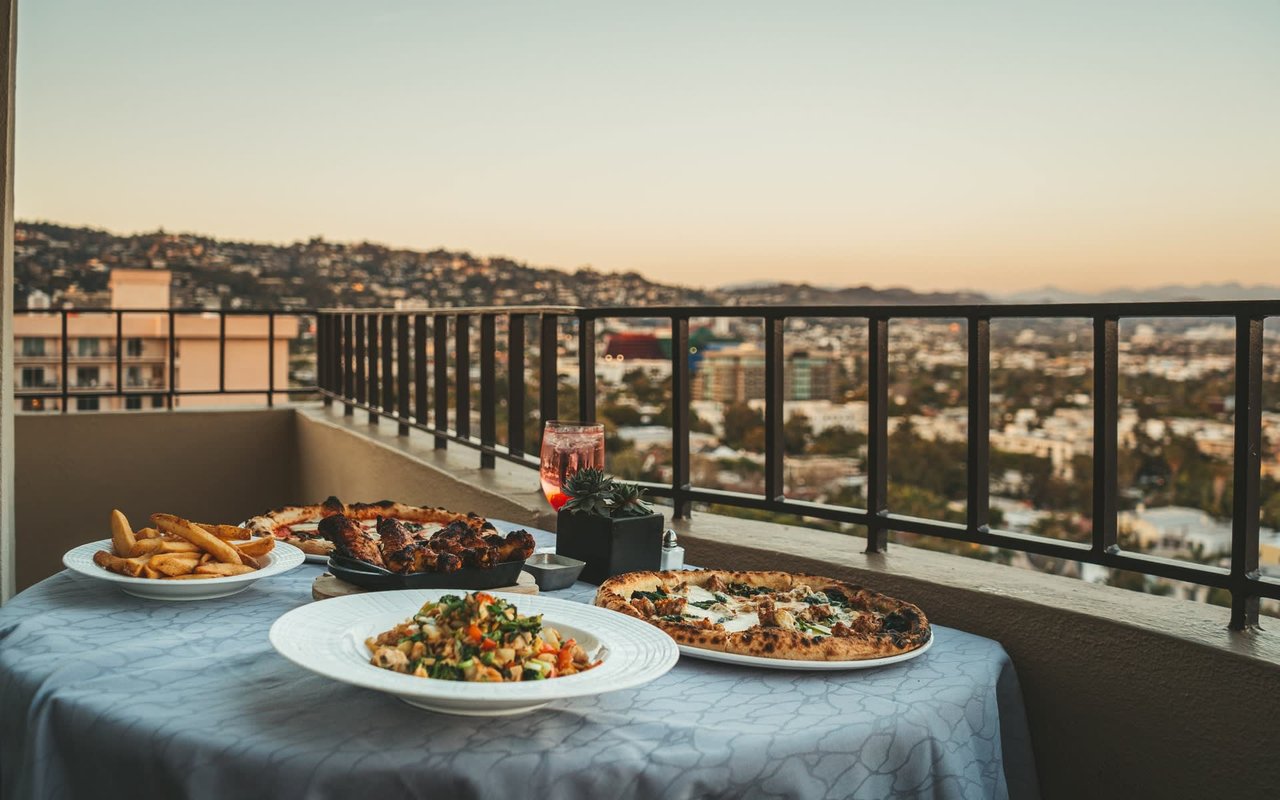
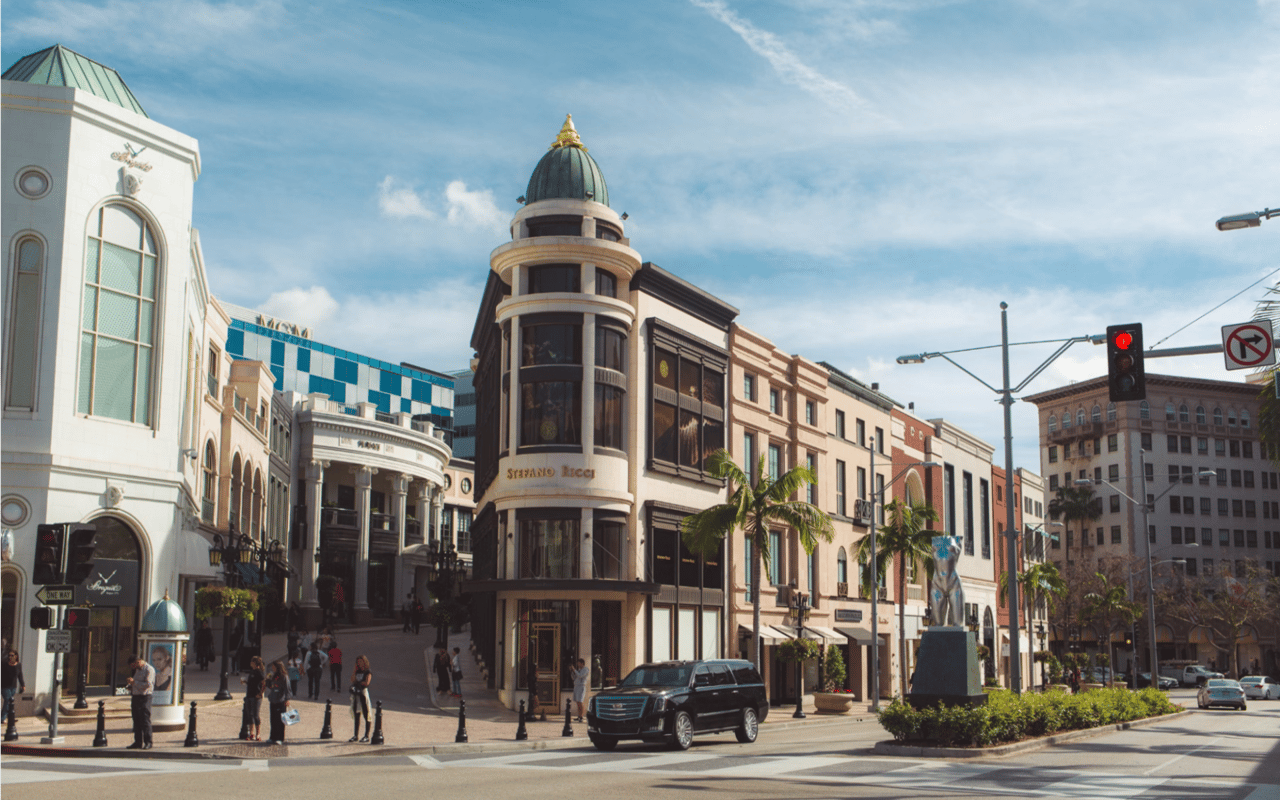
Over the same stretch of 2026 that Concerts on Cañon filled its Thursday slots, the blocks immediately around the Gardens absorbed the densest run of restaurant openings the Golden Triangle has seen in years, and an unusual number of them chose Beverly Hills for a first West Coast address rather than a second or third one.
| Opening | Address | The story |
|---|---|---|
| Bad Roman | 267 N. Canon Drive | New York import from Quality Branded, the group behind Quality Meats and Don Angie, taking over the former Palm steakhouse space |
| Sushi Nakazawa | 145 S. Robertson Blvd. | First West Coast location for the Michelin-recognized omakase concept founded in New York in 2013, in the former Cuvée space |
| Waldorf Astoria steakhouse | 9850 Wilshire Blvd. | Tuscan-inspired menu from chef Edoardo Baldi, opened in February in the ground-floor space that formerly housed Jean-Georges |
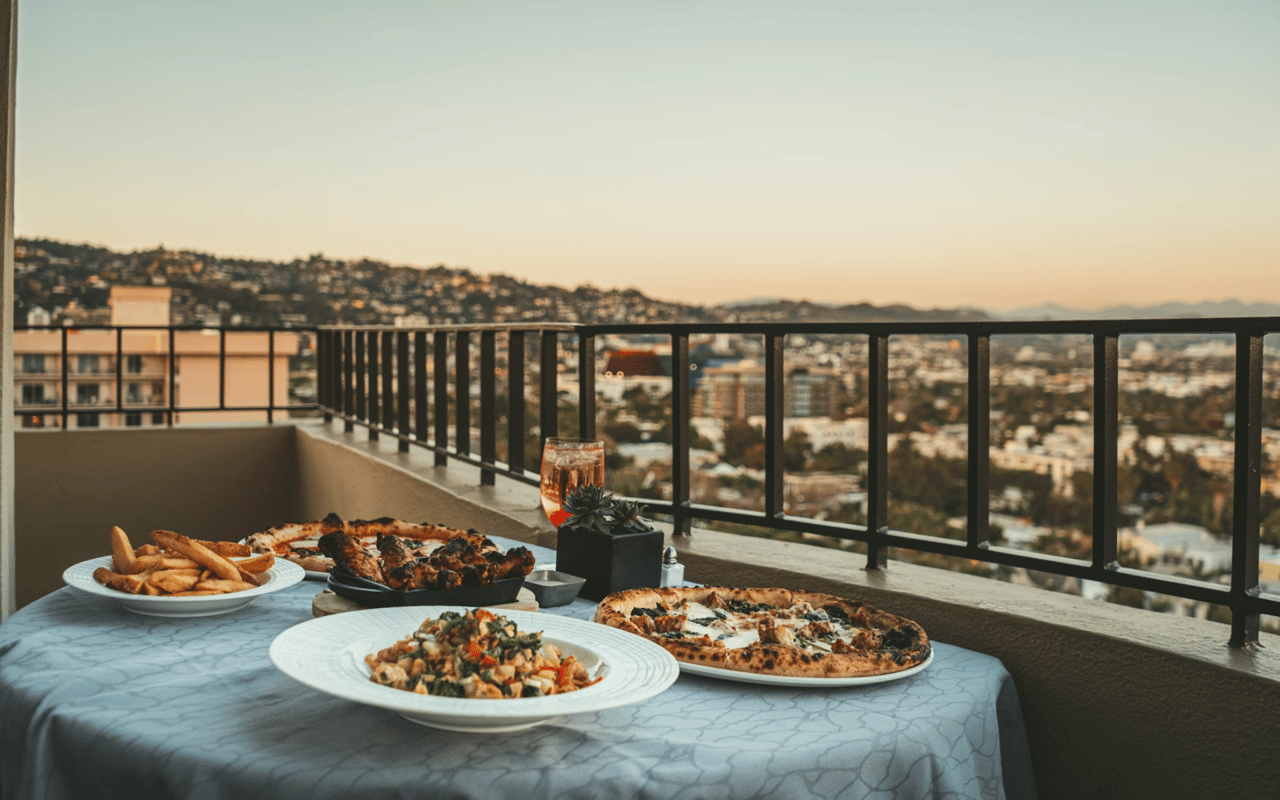
| Gemma | 9850 Wilshire Blvd. | Pan-Asian rooftop concept that replaced Rooftop by JG at the same hotel |
| Marea Beverly Hills | Beverly Hills | First West Coast outpost of the acclaimed New York Italian seafood restaurant |
| 88 Club | Beverly Hills | Supper-club concept from Top Chef winner Mei Lin |
That list is not complete. Pura Vida brought its healthy-café format west, Levain Bakery arrived with its six-ounce cookies, and All'Antico Vinaio opened a location for the famed Florence-based sandwich shop. Nate n' Al's, the delicatessen that has anchored Beverly Hills for generations, is relocating within the city. Azur, a French-Mediterranean concept, is expected to open in the coming weeks. The Beverly Hills Conference and Visitors Bureau, in its own rundown of the year, described the city as attracting chefs and restaurateurs choosing Beverly Hills for their first American or West Coast location, a framing that fits the pattern on the ground: New York kitchens, Miami cafés, and a Florence sandwich institution all picked this particular four-block radius in the same twelve months.
Concert Season and New Restaurants
The concert series and the new restaurant openings overlapped. Concerts on Cañon ran for eleven weeks, with the city paying for sound, staffing, and the audio engineer.
The concert series has ended, while this year's new restaurants remain among Beverly Hills' dining options. Bad Roman is on Canon Drive, while Sushi Nakazawa is on Robertson and offers $190 or $295 tasting menus.
The concert season is one part of Beverly Hills' calendar; other local fixtures continue through the change of seasons.
What Doesn't Take Labor Day Off
Not everything on the civic calendar resets with the season. The Beverly Hills Farmers' Market runs every Sunday, year round, on Civic Center Drive, rain or shine, from morning until early afternoon, with two hours of free parking in the Civic Center garage. It does not pause between concert seasons because it was never built around one. Kenter Canyon Farms and Harry's Berries hold their regular stalls, the third Sunday of each month brings a Kid Zone for the youngest shoppers, and a petting zoo runs weekly regardless of what else is happening four blocks away. August closed out with PickleFest, the market's pickle-themed contest sponsored by Nate n' Al's, the same delicatessen now preparing to relocate within the city it has served for decades.
Greystone Mansion keeps its own rhythm too. The Greystone in the Movies series runs roughly monthly in the estate's restored historic theatre, pairing a film with a location connection to a walk through the grounds where it was shot. It is a smaller, quieter institution than the Thursday concert crowd, but it does not go dark for the winter the way Cañon Gardens does. Between the market and the mansion, residents have two fixtures that never asked the calendar's permission to keep running.
Where Thursday Goes Now
For anyone used to the Cañon routine, this fall's restaurant openings offer more options for Thursday nights in Beverly Hills. Bad Roman and the Waldorf's new steakhouse and Gemma sit inside walking distance of where the lawn used to fill up, close enough that the habit barely has to change addresses. Sushi Nakazawa asks for more of a commitment, a reservation booked in advance rather than a folding chair claimed at 5:45, but it was never going to be a spontaneous stop either way.
For residents, the season's end marks a change in routine, while the year's restaurant openings add to the neighborhood's evolving mix.
If you are watching Beverly Hills for reasons beyond dinner reservations, whether that means understanding how a neighborhood's retail and restaurant density shifts its long-term desirability or simply wanting a team that tracks these changes as closely as it tracks comparable sales, The Di Prizito Group has been reading this market block by block for years. Contact us when you're ready to talk about what a neighborhood in motion means for your next move.