Are you drawn to the classic, polished rhythm of the Beverly Hills Flats, or does a hillside estate above Sunset feel more like your version of home? In Beverly Hills, that choice shapes far more than architecture alone. It affects how you move through your day, what kind of setting surrounds you, and how much complexity you may want to take on as an owner. If you are weighing both options, this guide will help you compare lifestyle, setting, and practical differences so you can focus on the fit that feels right. Let’s dive in.
Beverly Hills Has Two Distinct Settings
In Beverly Hills, single-family living is not treated as one uniform category. The city separates these homes into the Central Area, Hillside Area, and Trousdale Estates, each with its own standards.
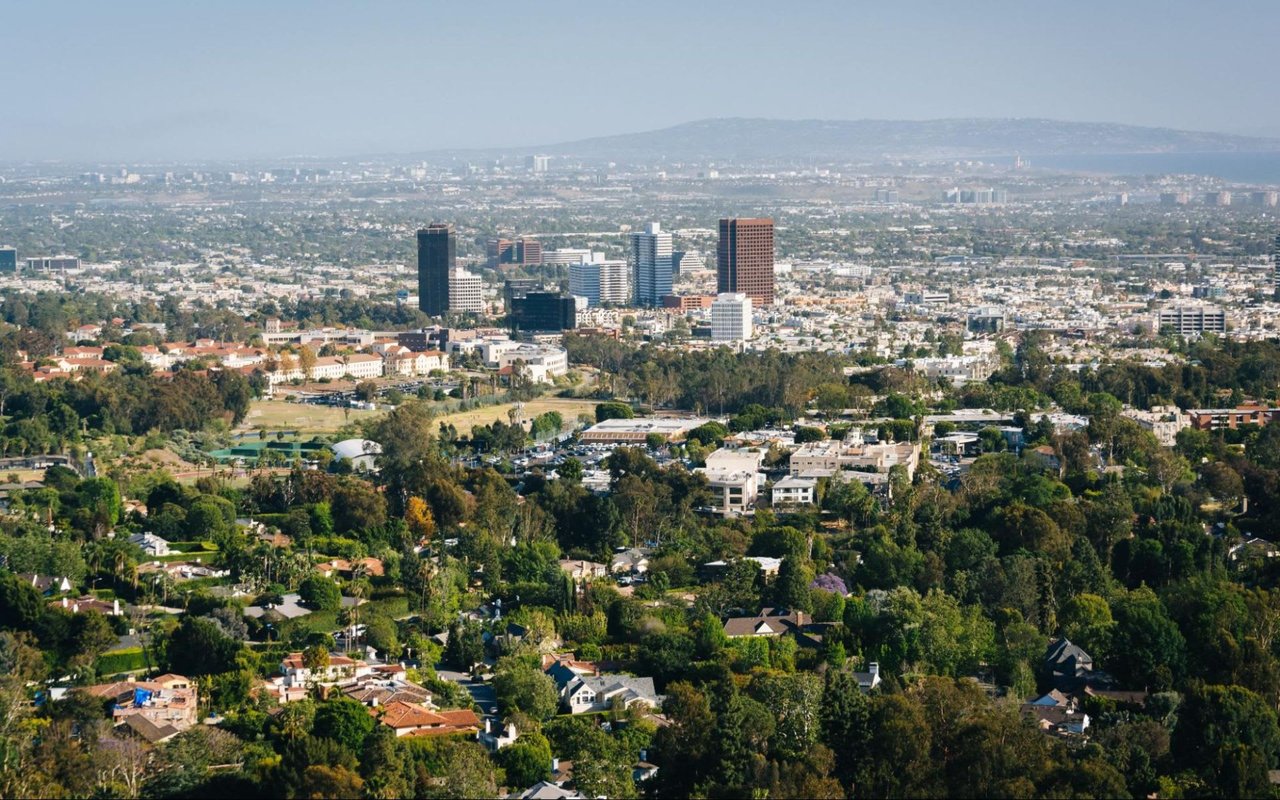
For most buyers, the key comparison is simple. The Flats generally align with the flatter Central Area, while the homes above Sunset align with the city’s official Hillside Area. Even within the same Beverly Hills address, these two areas offer noticeably different day-to-day experiences.
The city’s rules help explain why. The Central Area and Hillside Area have different requirements for lot size, development standards, and review processes. That difference is part of what makes the Flats feel more regular and street-oriented, while hillside properties often feel more site-specific and estate-like.
Why the Flats Appeal to Buyers
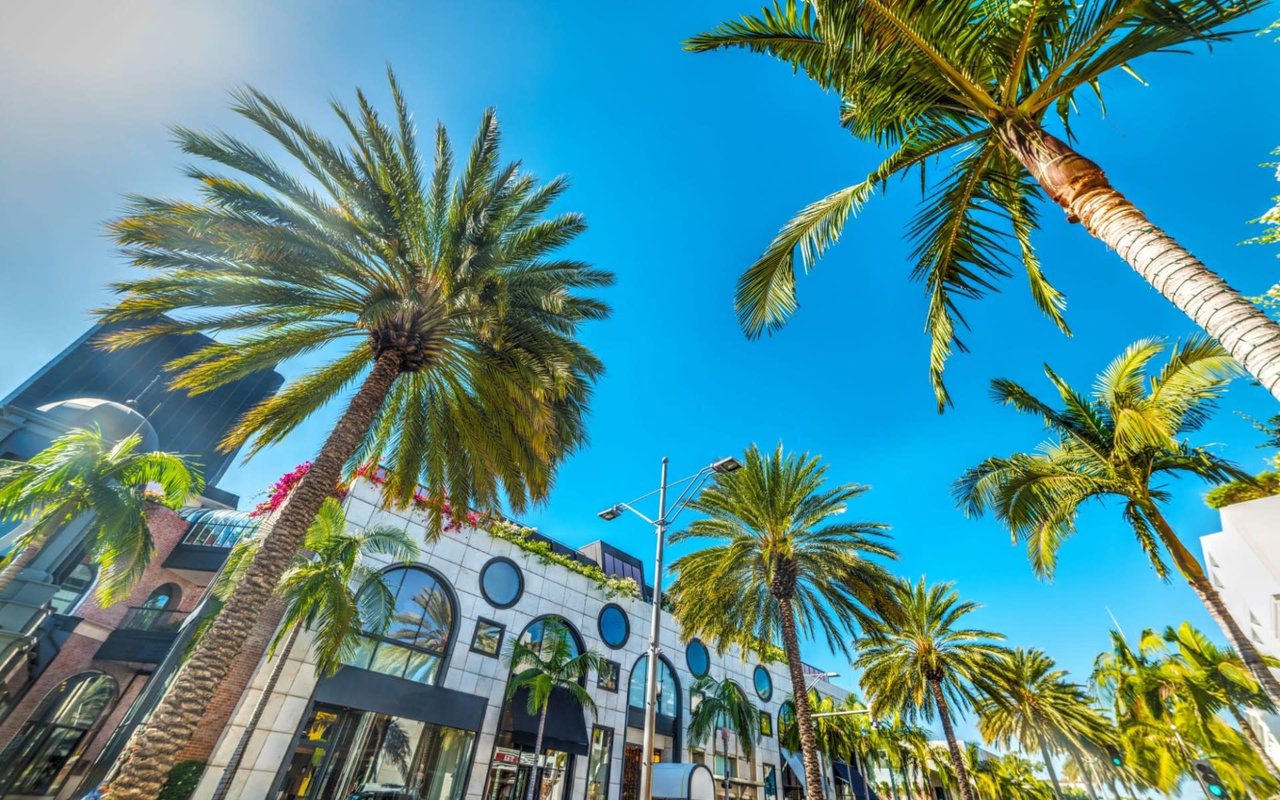
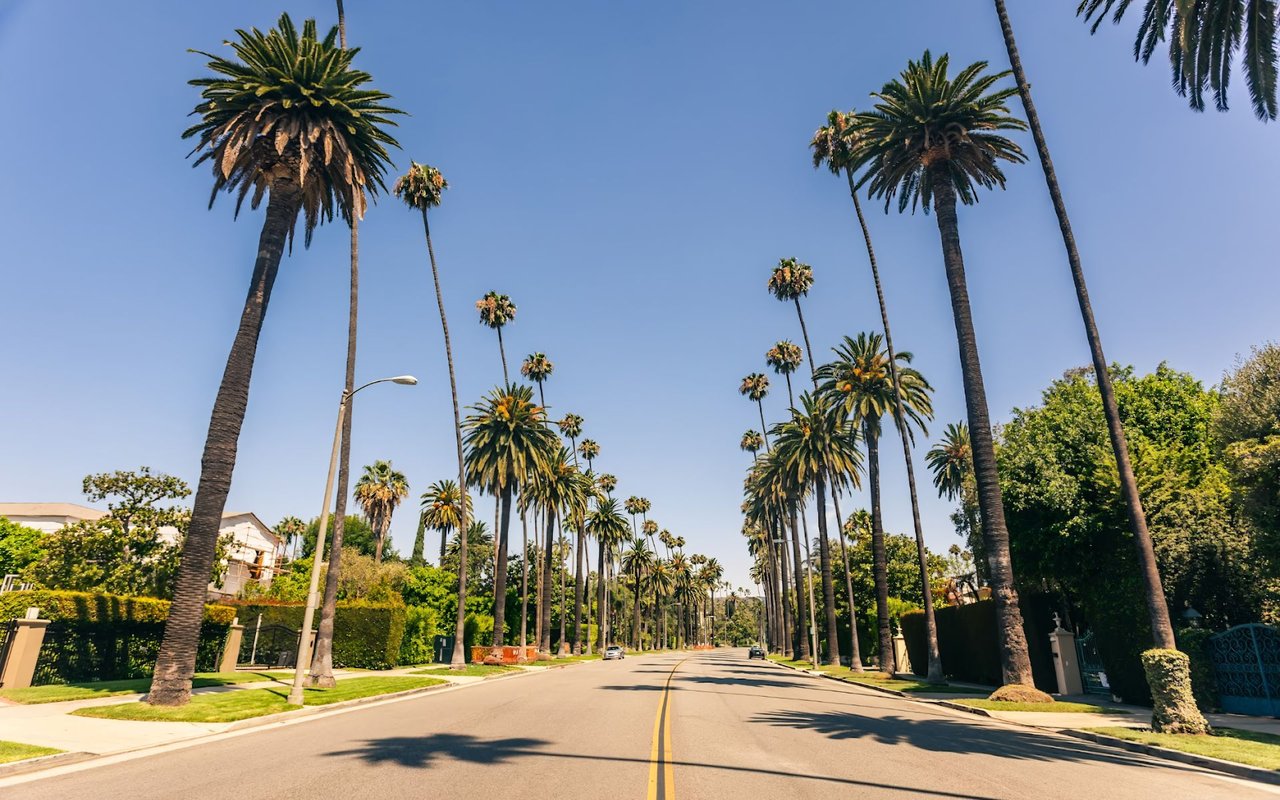
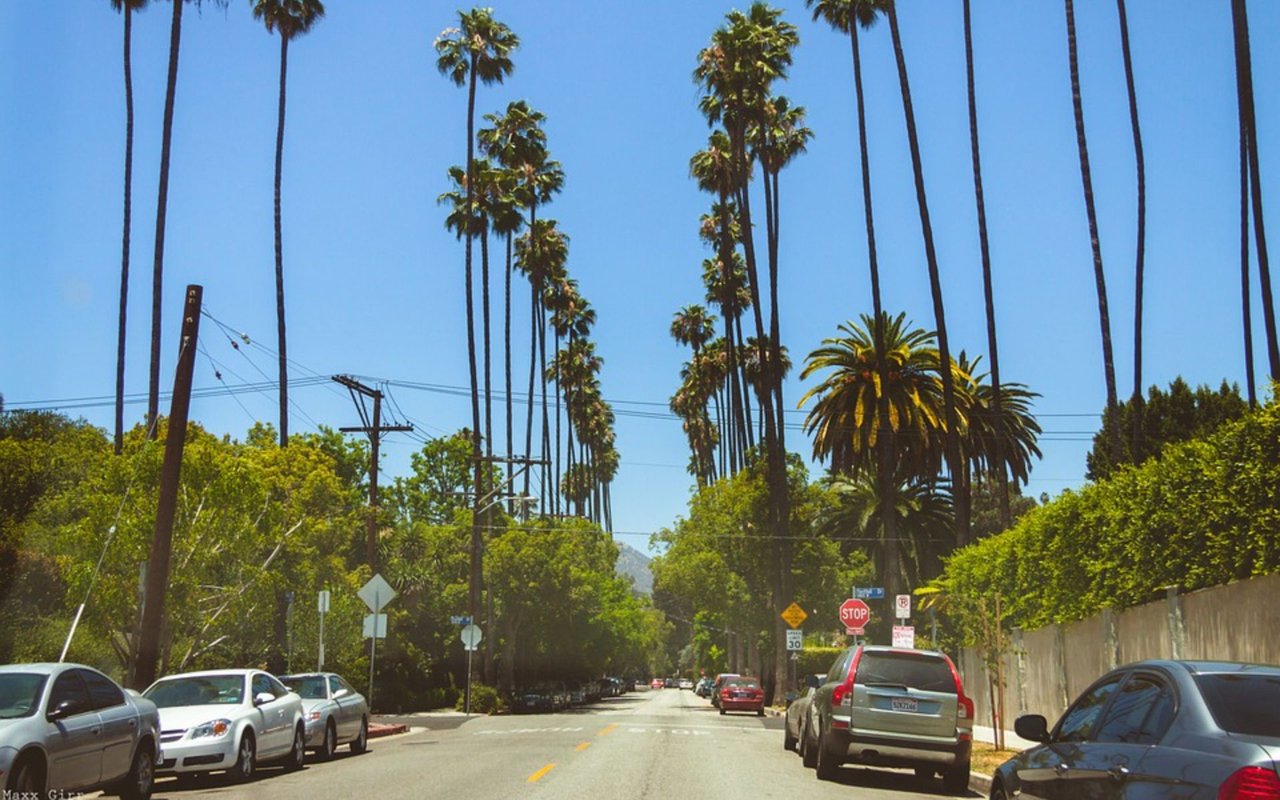
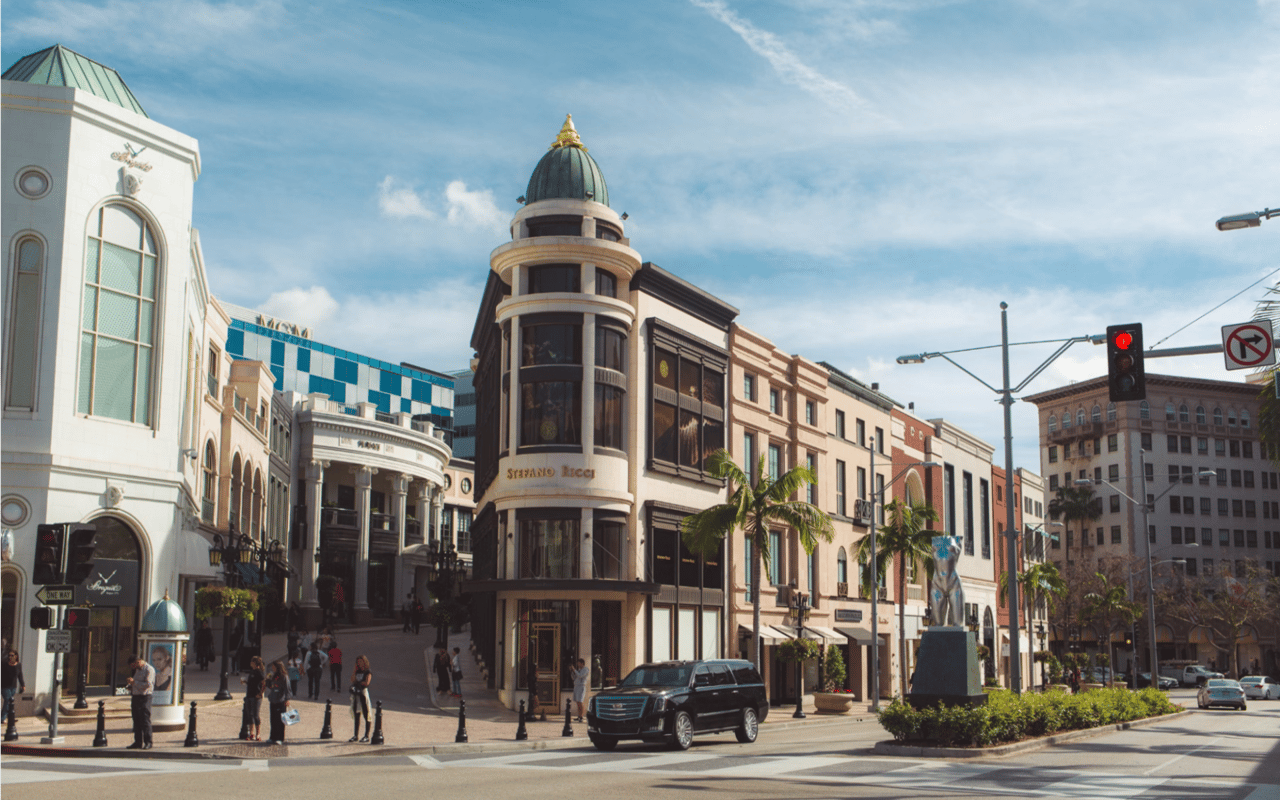
The Beverly Hills Flats are often the easier, more straightforward choice for buyers who value convenience. The flatter streets, mature tree-lined setting, and closer relationship to civic and shopping areas support a lifestyle that feels connected and efficient.
Beverly Hills places clear value on walkability and connected streets. The city’s complete-streets planning is designed to support walking to neighborhood amenities, and its compact 5.7-square-mile footprint helps keep many daily destinations within easier reach.
That matters if you want a home base that feels integrated into the classic Beverly Hills experience. In the Flats, quick outings for dining, errands, or cultural stops can feel more natural because the residential setting is closer to the city’s central activity.
Flats Lifestyle at a Glance
Buyers often lean toward the Flats when they want:
- A flatter, more regular street pattern
- Easier daily circulation by car or on foot
- Strong curb appeal and landscape presence
- A classic Beverly Hills residential feel
- Less slope-related property complexity
The city’s free weekend trolley between Civic Center and Rodeo Drive also reflects how concentrated many core destinations are in central Beverly Hills. While not every errand will be walkable from every home, the overall lifestyle in the Flats tends to be more street-oriented and convenient.
What the Flats Feel Like Architecturally
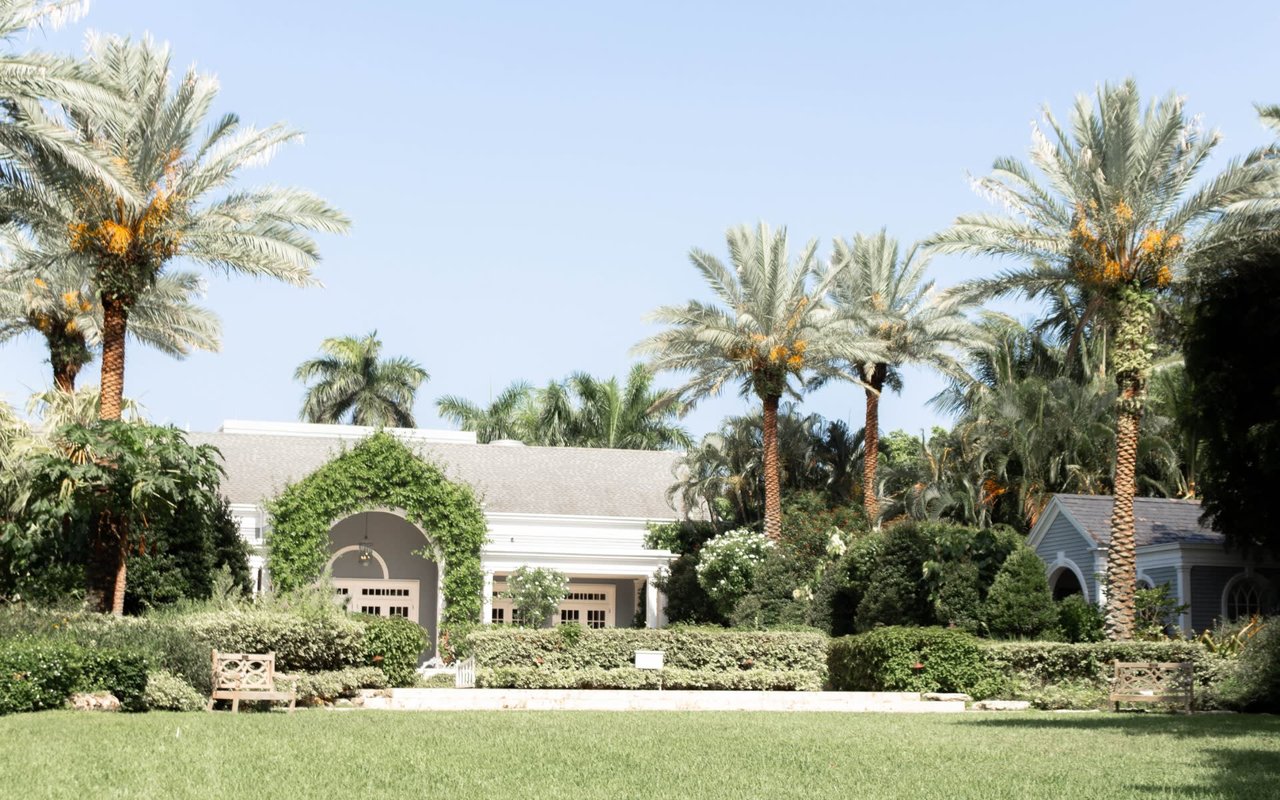
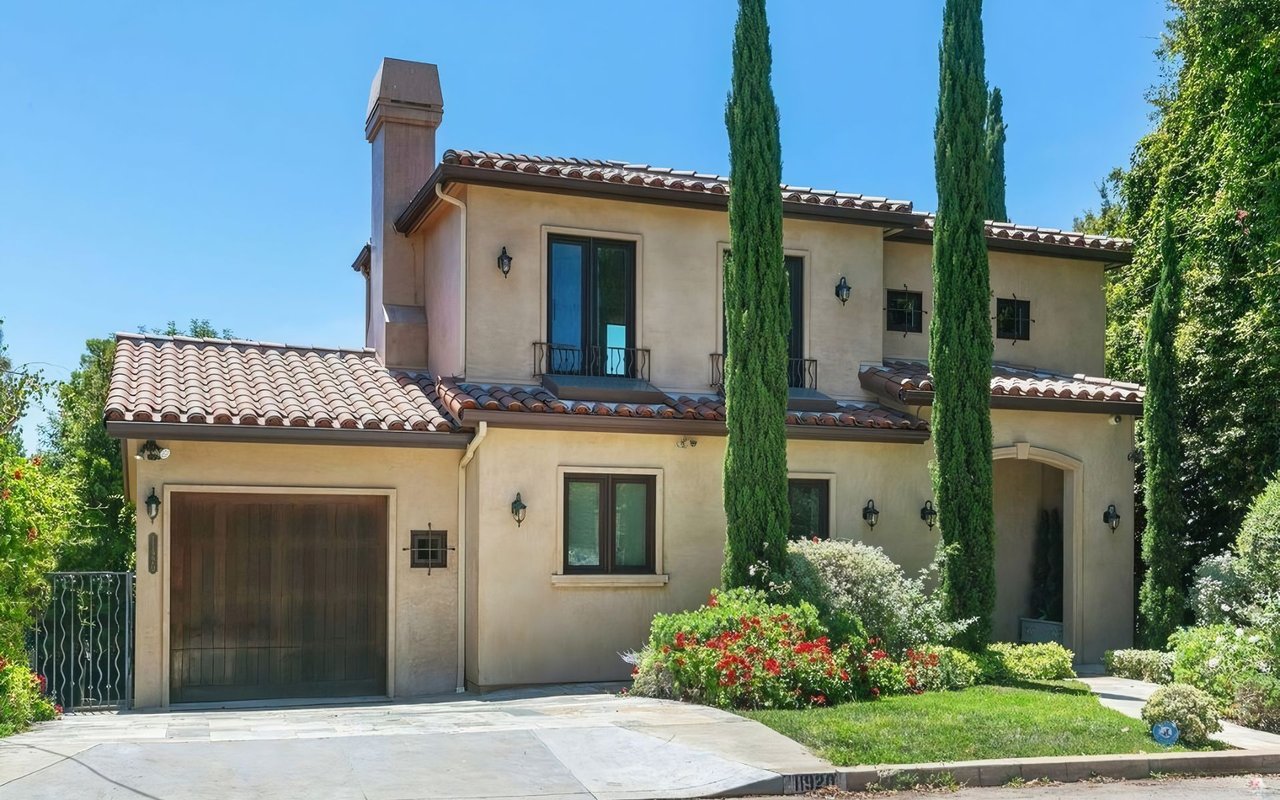
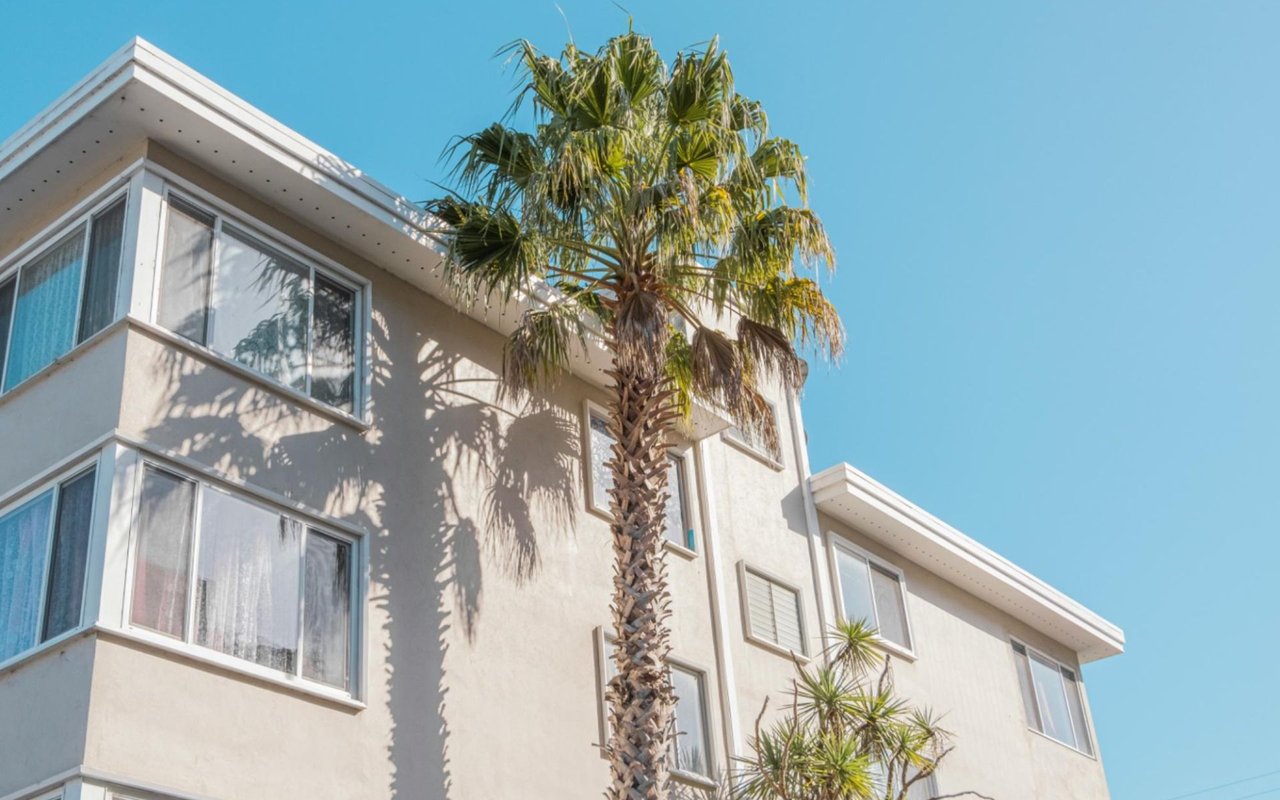
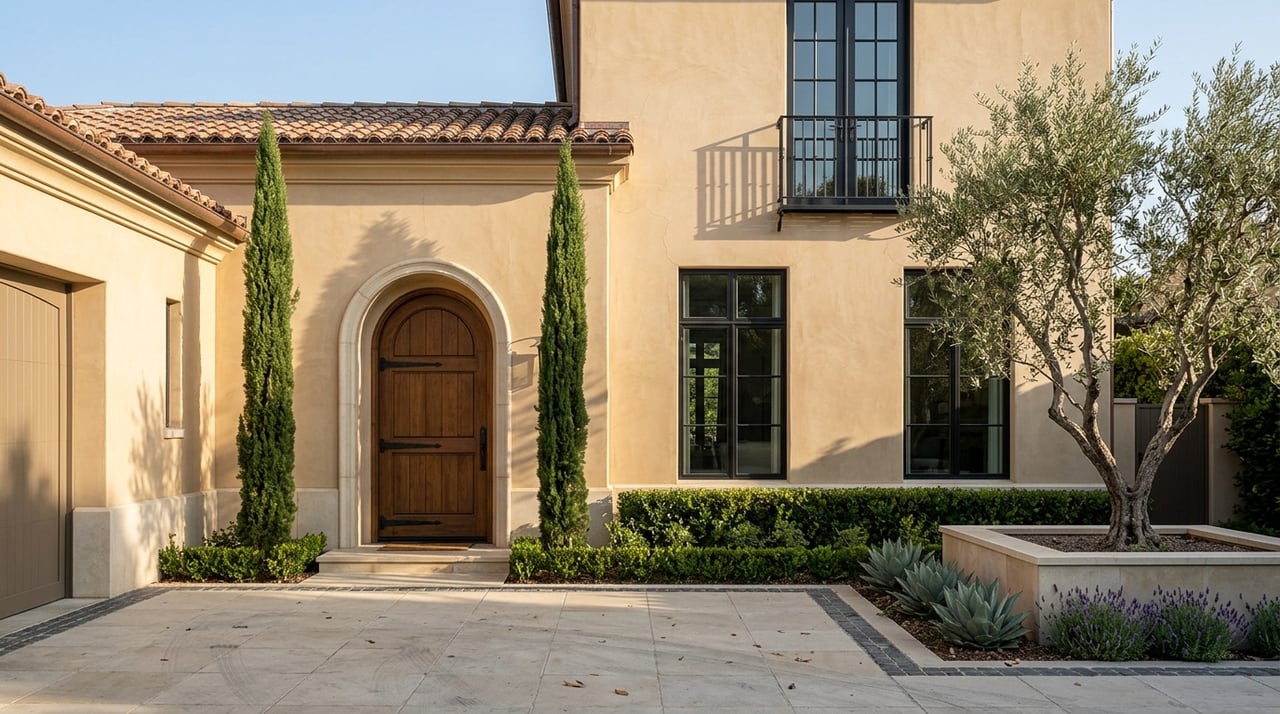
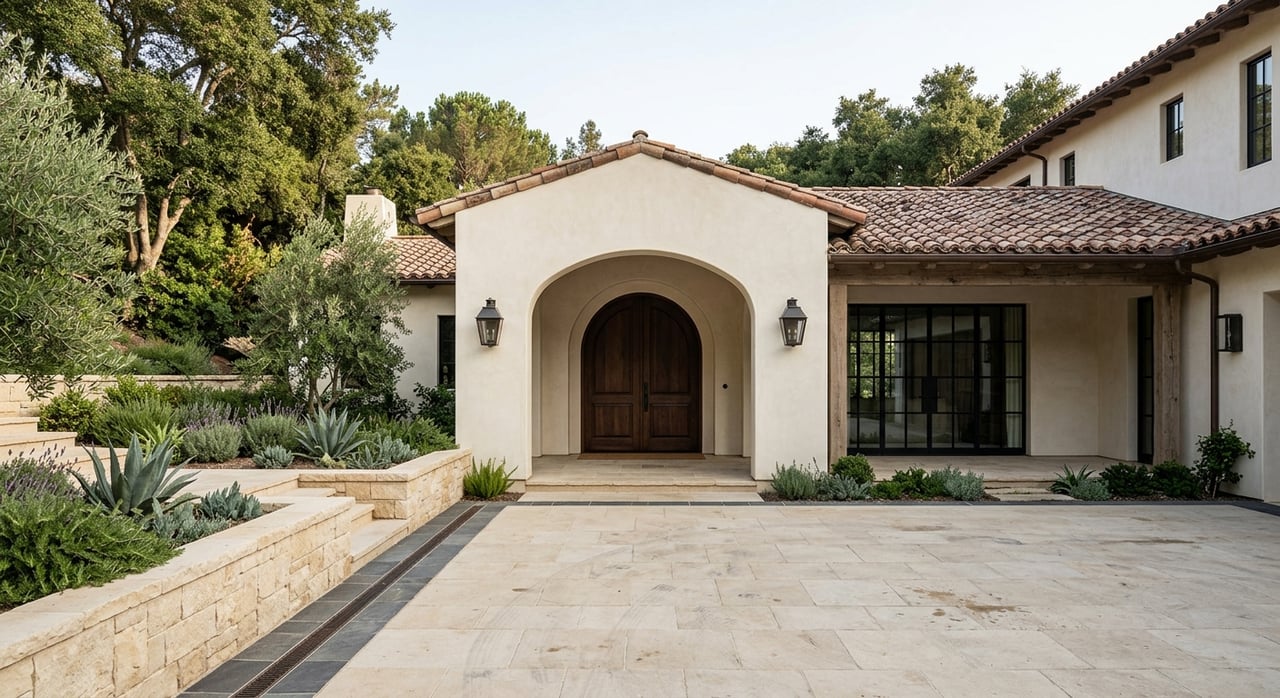
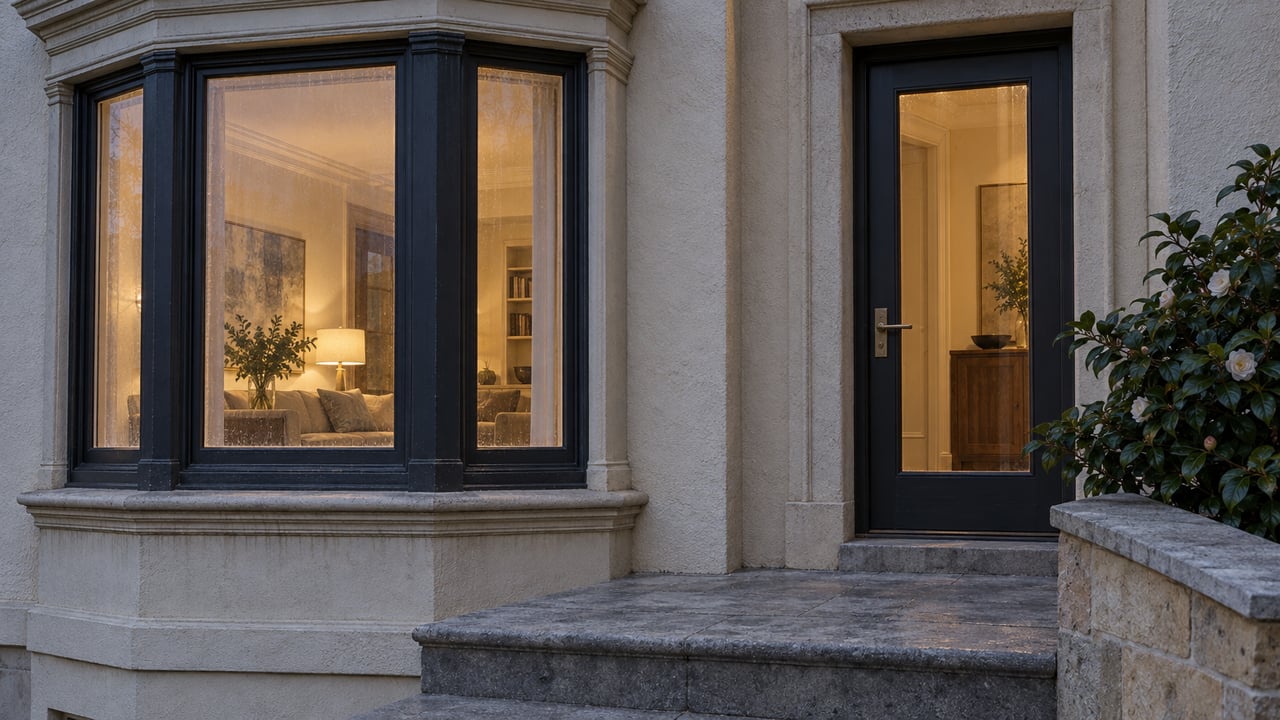
The Flats often reflect the traditional image many people have in mind when they think of Beverly Hills. The city’s residential style guidance points to a history of custom-built homes, period-revival architecture, preserved neighborhood character, and strong attention to gardens and open space.
In practical terms, you are likely to see homes where the public-facing facade matters. Mature landscaping, defined front elevations, and careful exterior presentation are often part of the appeal. For buyers who value classic curb appeal and a strong sense of arrival from the street, that can be a major advantage.
There is also a regulatory difference worth noting. In the Central Area, exterior changes visible from a public street are subject to design review. That process can help reinforce the visual consistency and polished streetscape that many buyers appreciate in the Flats.
Why Hillside Estates Appeal to Buyers
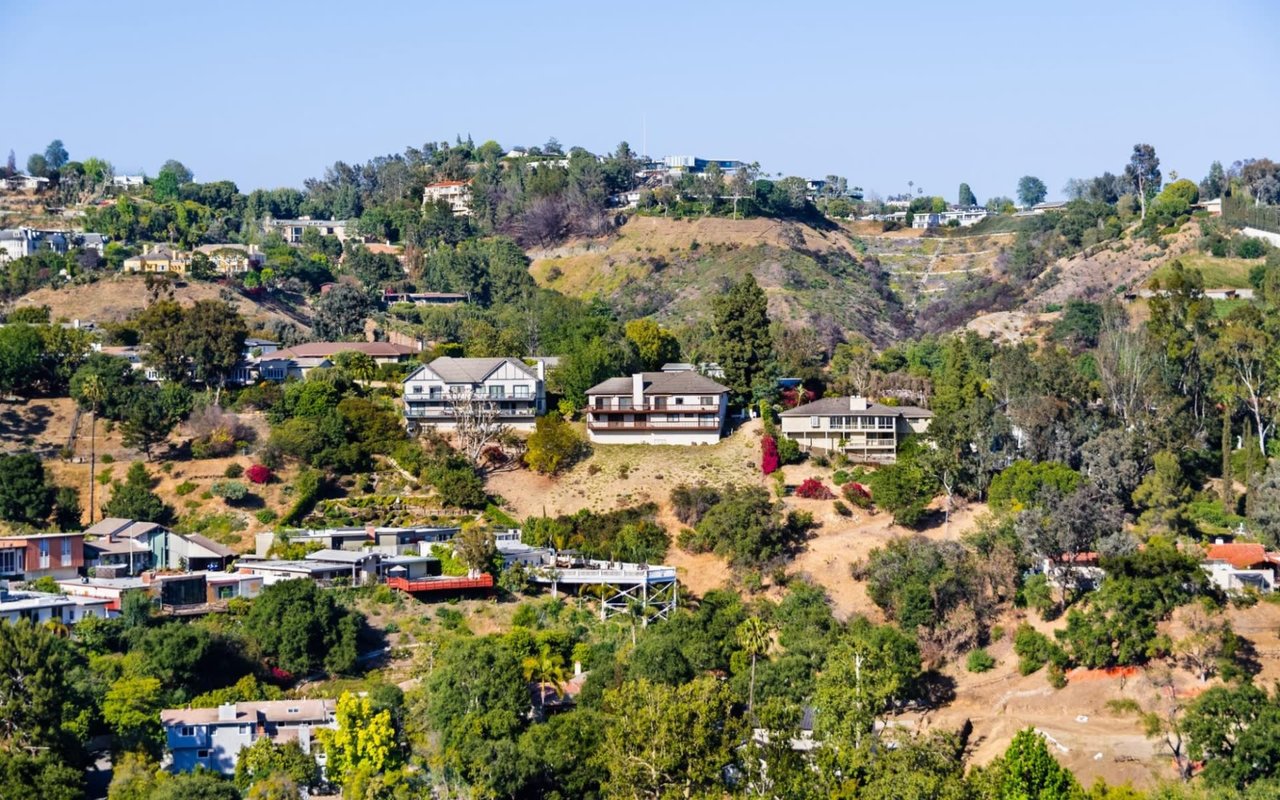
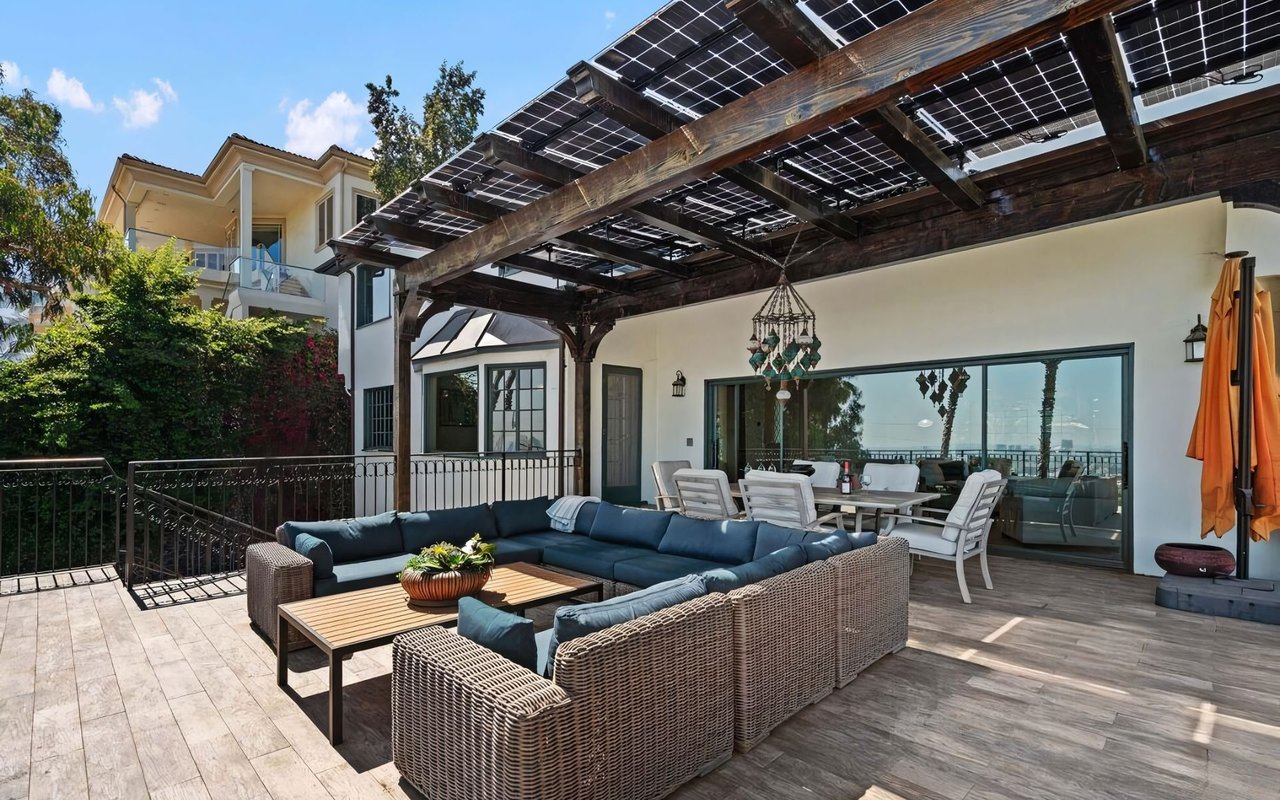
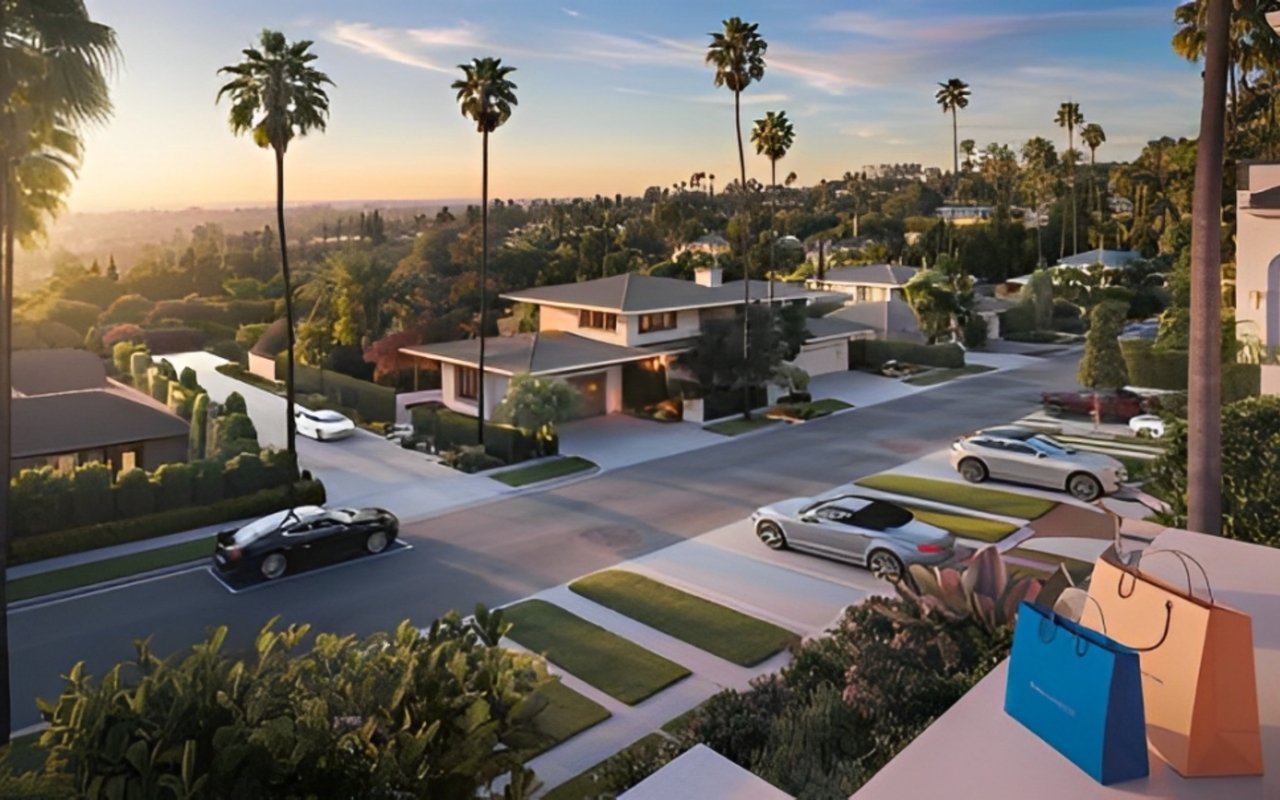
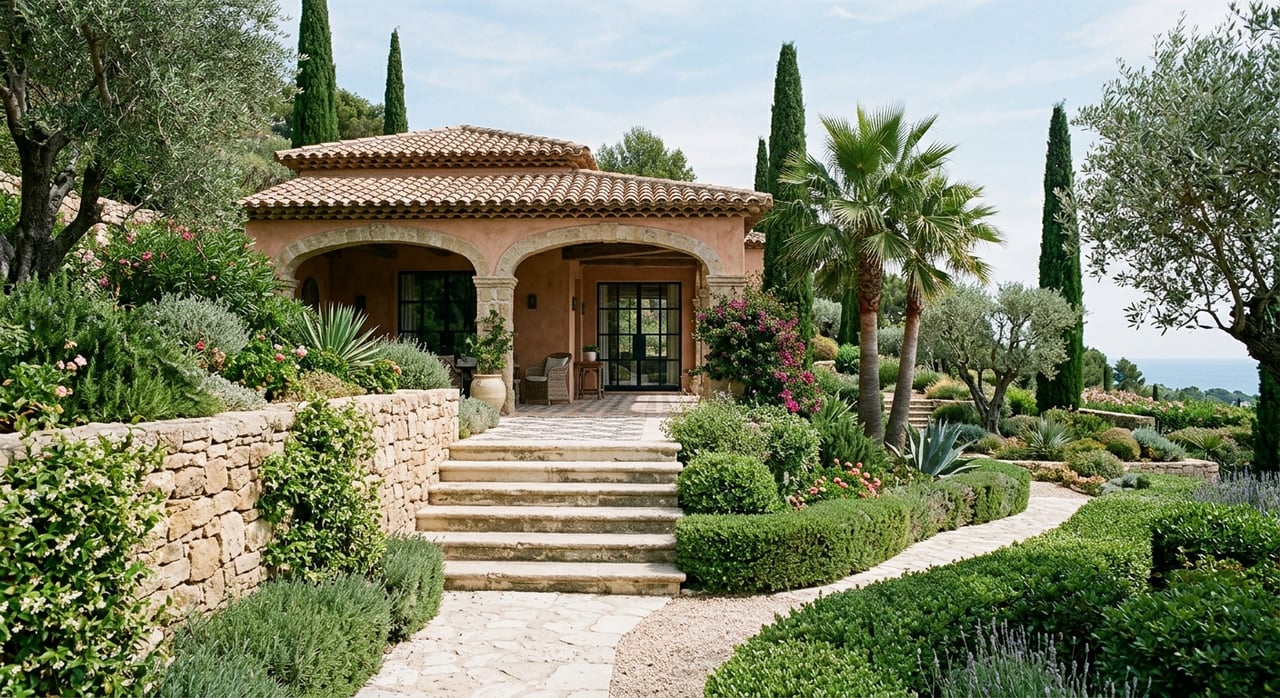
North of Sunset, the experience changes. Beverly Hills becomes a true hillside market where privacy, topography, and views often play a much larger role in the character of each property.
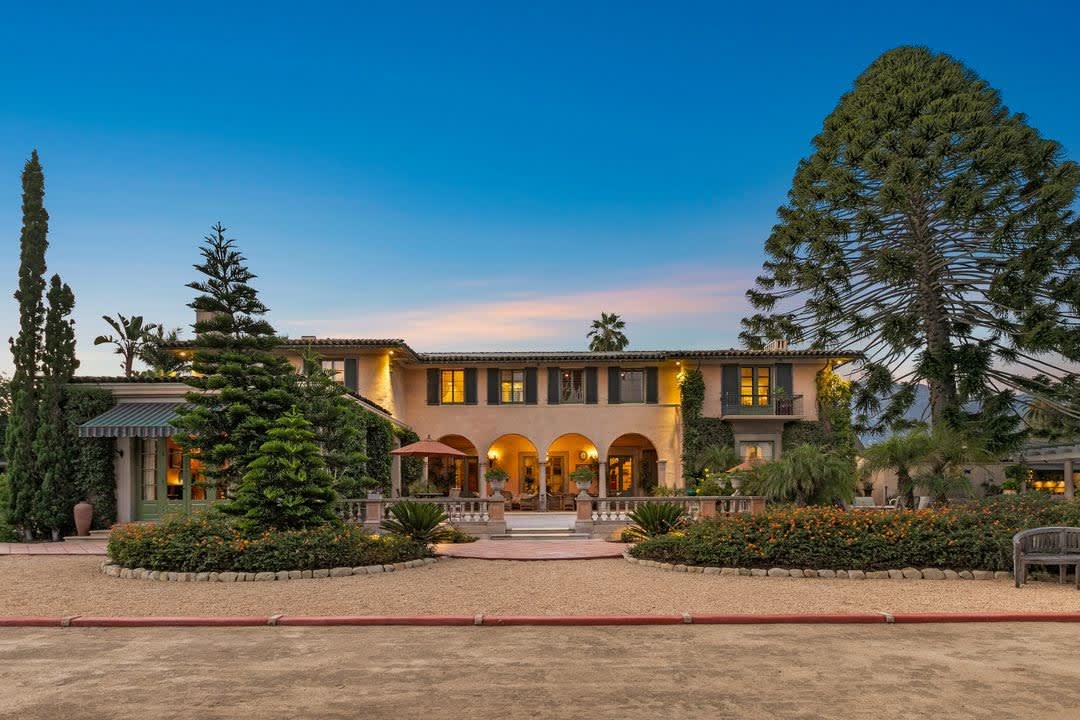
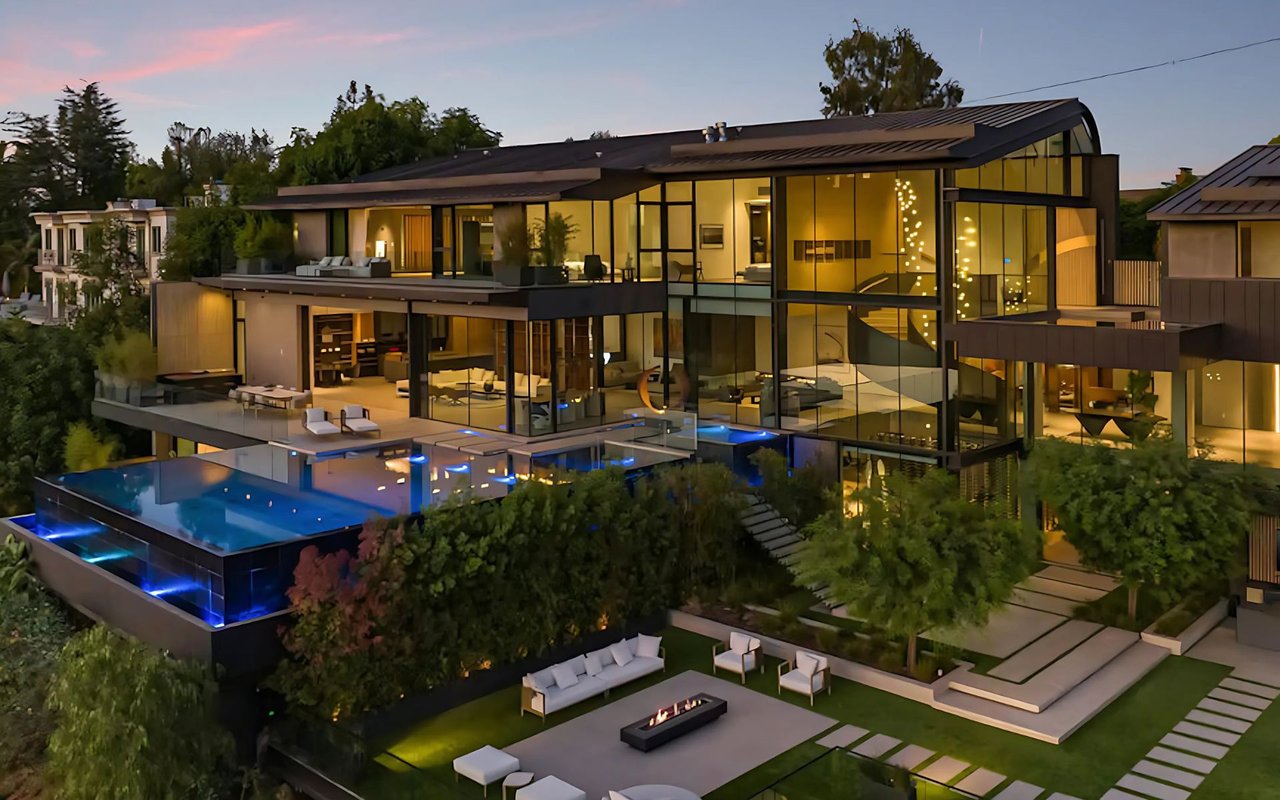
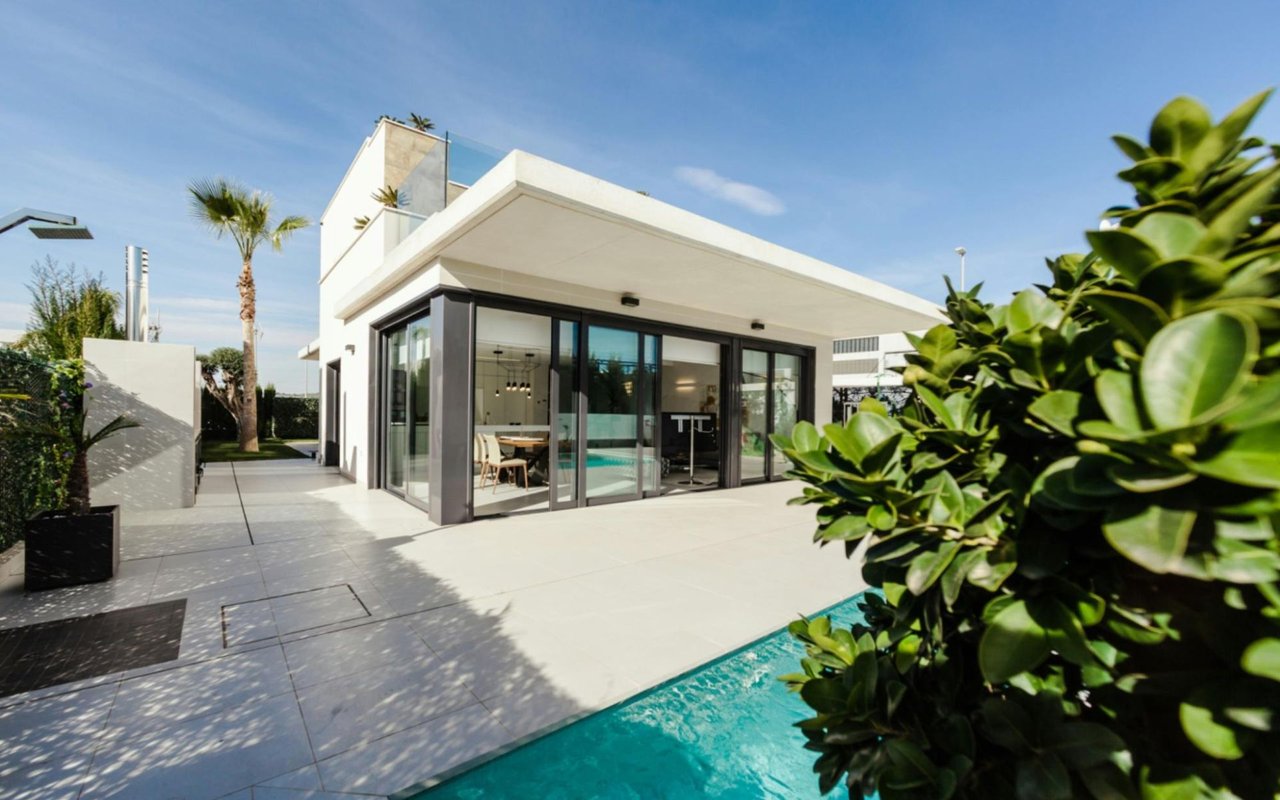
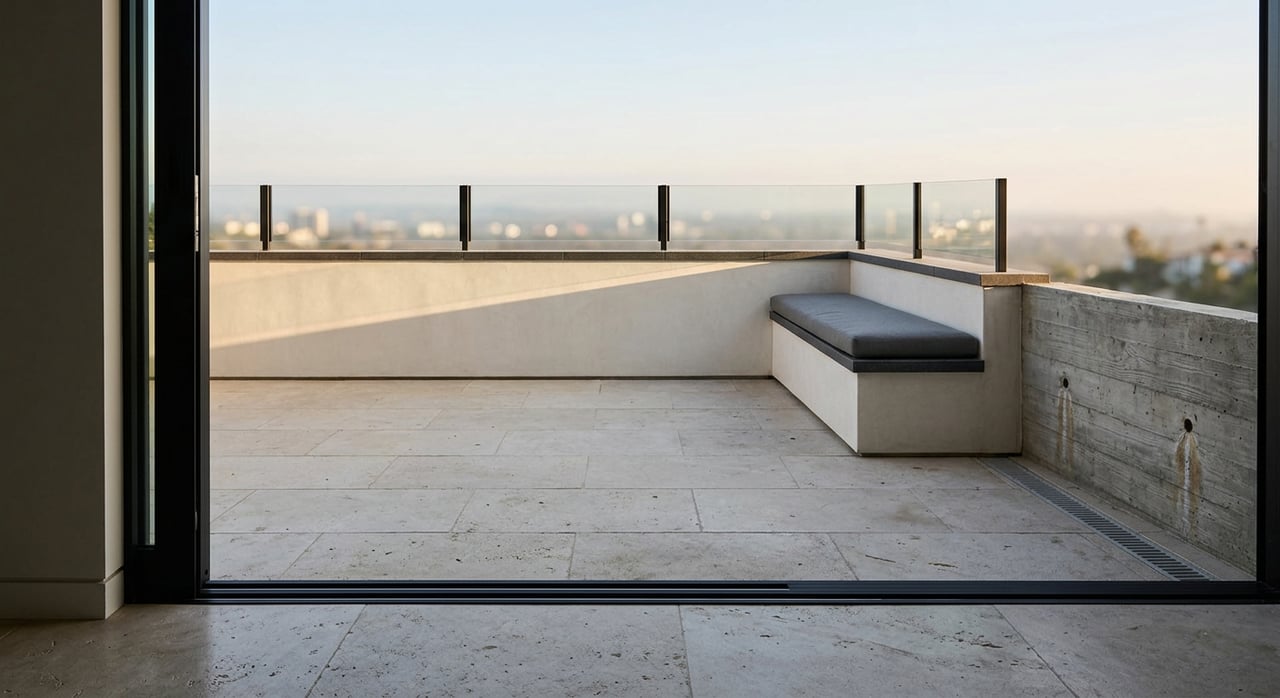
For many buyers, that is the entire draw. Hillside homes can offer more separation from the street, larger sites, and outlooks that feel more dramatic than what you typically find in flatter sections of the city.
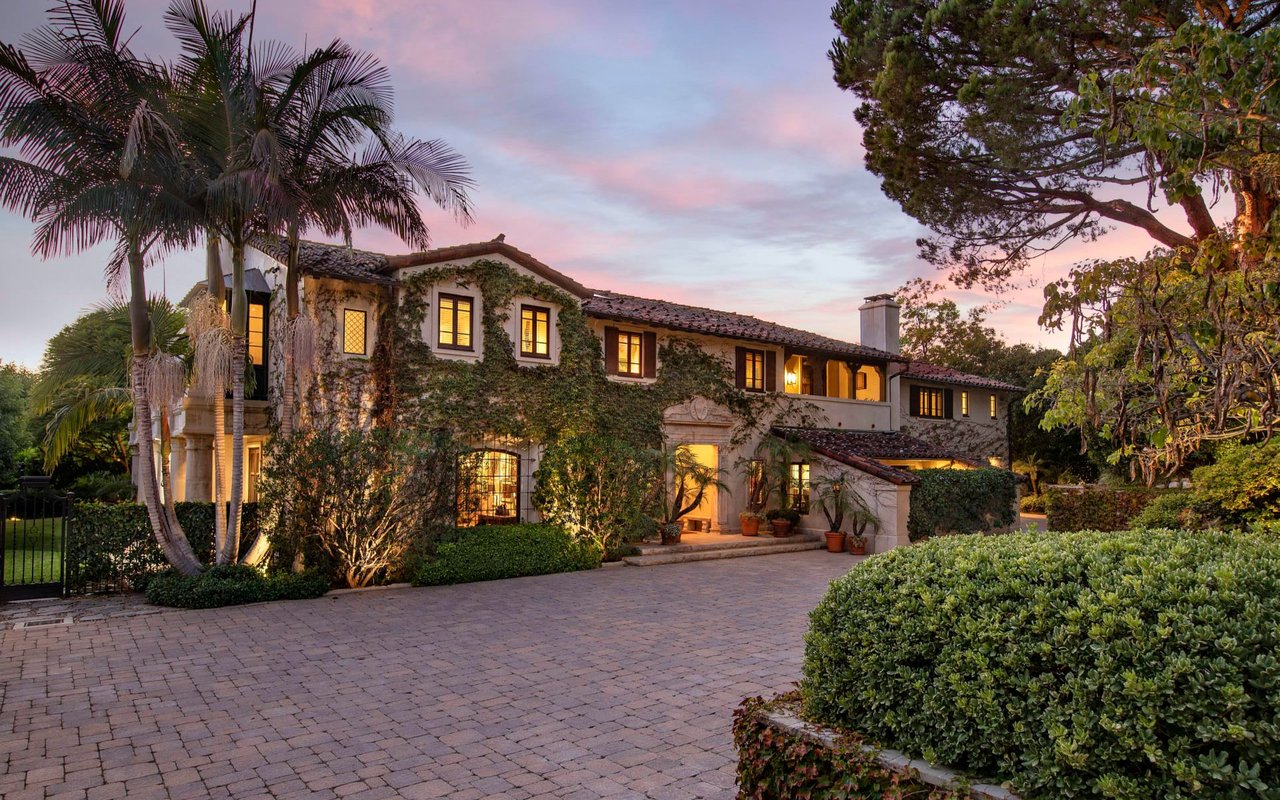
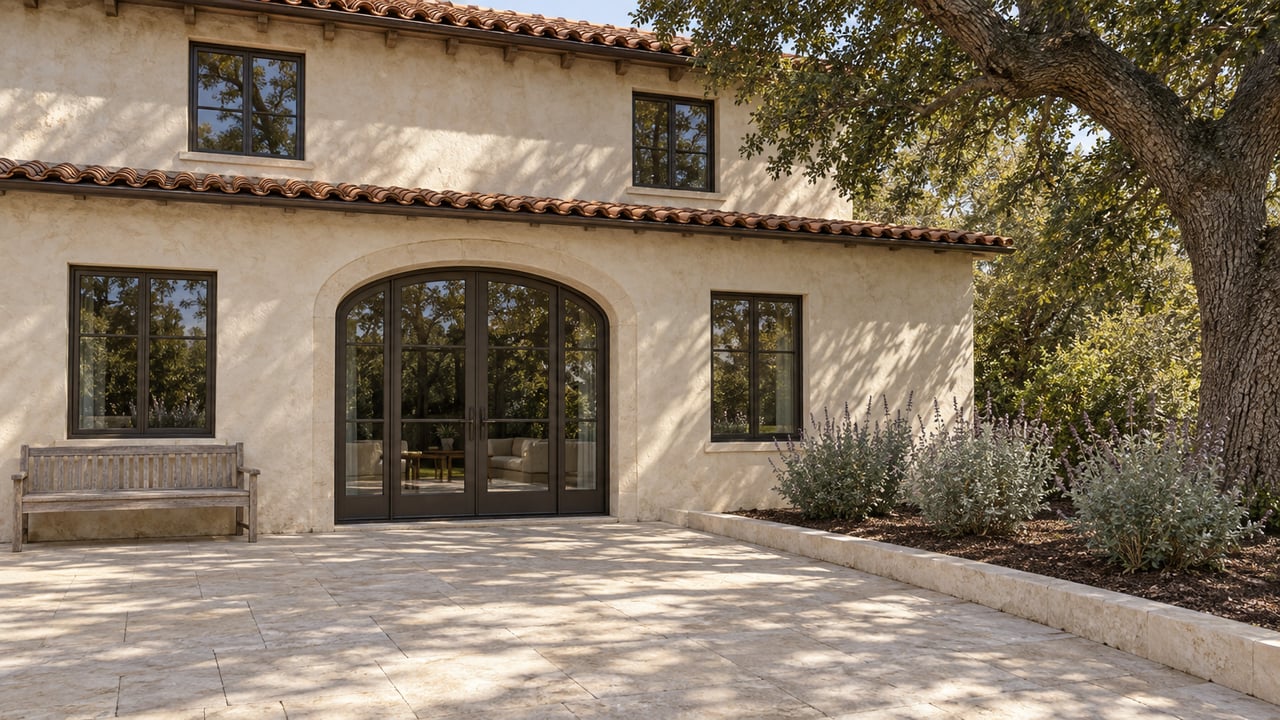
This is where Beverly Hills can feel less like a traditional neighborhood grid and more like a collection of individualized estates shaped by the land itself. If your priority is seclusion, architectural presence, and a stronger connection to terrain and views, a hillside property may align more closely with your lifestyle.
Hillside Lifestyle at a Glance
Buyers often prefer the hills above Sunset when they want:
- Greater privacy from the street
- View potential
- Larger lots
- A more estate-style setting
- Homes shaped by architecture and topography
The city’s zoning framework supports that distinction. The minimum lot size in the Hillside Area is much larger than in the Central Area north of Santa Monica Boulevard, which is one reason hillside homes can feel more expansive and more separated.
What Makes Hillside Ownership Different
The appeal of a hillside estate usually comes with added complexity. Beverly Hills hillside properties are shaped by specific rules related to slope, topography, building area, height, setbacks, accessory structures, landform alteration, and view preservation.
That means these homes are often less standardized. Instead of simple rectangular lots and predictable layouts, hillside sites may involve terracing, engineering, drainage considerations, and building decisions driven by the existing land.
The city’s hillside permit process reflects that reality. It requires a topographic survey and addresses issues such as cut and fill, import and export of material, and building off the existing level pad. For a buyer, that does not make hillside ownership a negative. It simply means the property may require a more careful review and a more informed strategy.
Fire Preparedness Matters Above Sunset
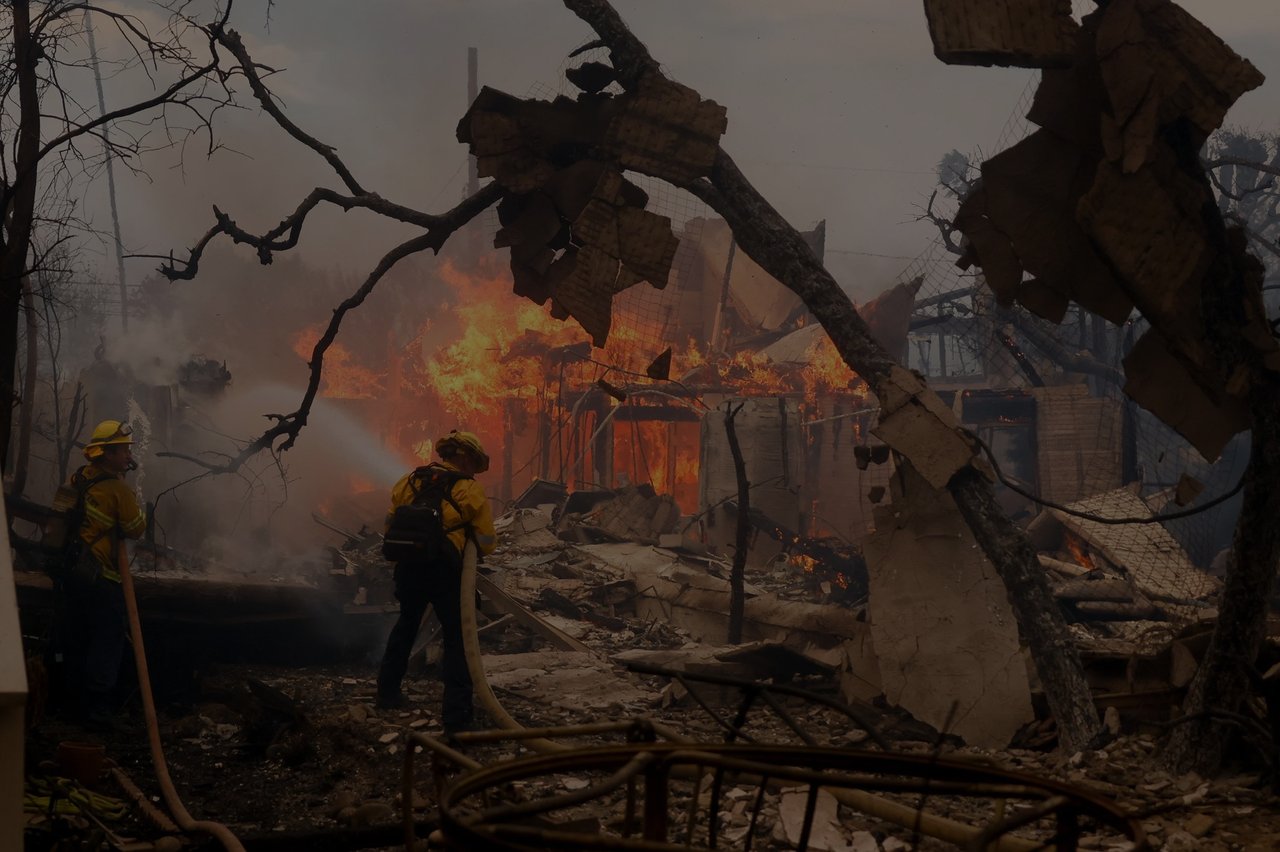
One of the clearest practical differences in the hills is fire readiness. According to the Beverly Hills Fire Department, the north end of Beverly Hills is within the Very High Fire Hazard Severity Zone.
Properties there are subject to annual brush inspections. During extreme fire weather, the city can also restrict parking on certain streets north of Sunset to support evacuation and emergency access.
For some buyers, this is a manageable part of hillside living. For others, it is an important factor in the decision. If you are considering a home above Sunset, fire preparedness and landscape management should be part of your lifestyle conversation from the start.
Flats vs Hillside: Which Fits You Best?
The choice usually comes down to how you want to live, not which area carries more status. Both options are distinctly Beverly Hills, but they deliver very different versions of the same address.
Here is a simple side-by-side comparison:
| Feature | Beverly Hills Flats | Hills Above Sunset |
|---|---|---|
| Daily feel | Street-oriented and connected | Private and site-specific |
| Terrain | Flat or mostly level | Sloped and topographic |
| Access | Simpler day-to-day circulation | More variable access depending on site |
| Home character | Classic facades and curb appeal | Architectural individuality and view-driven design |
| Lot pattern | More regular neighborhood fabric | Larger, less uniform estate sites |
| Ownership complexity | Generally lower | Generally higher |
| Key lifestyle draw | Convenience and classic Beverly Hills feel | Privacy, views, and separation |
If you picture yourself enjoying a polished residential setting with a traditional neighborhood rhythm, the Flats may be the clearer fit. If you want your home to feel tucked away, elevated, and shaped by land and outlook, the hills may offer the experience you are after.
Market Context in Beverly Hills
No matter which setting you prefer, both belong to a high-value market. Recent market data shows Beverly Hills remains a premium market even in a more balanced environment.
Redfin reported a median sale price of $6.1 million over the three months ending May 2026, with homes taking about 51 days to sell on average. Realtor.com reported a median listing price of $6.275 million, 366 active listings, and a median of 61 days on market as of April 2026.
Those figures vary because the platforms use different methods and time periods, but the broader takeaway is consistent. Beverly Hills remains highly priced, and buyers benefit from understanding not just the market, but the lifestyle tradeoffs within it.
A Smart Way to Narrow Your Search
If you are deciding between the Flats and a hillside estate, start by focusing on your routine before your wishlist. Think about how much privacy you want, how often convenience matters, and whether you are comfortable with a property that may require more ongoing attention.
A few questions can quickly clarify your direction:
- Do you want easier access for daily outings and errands?
- Do you value a more public-facing home with classic curb appeal?
- Are views and privacy more important than a regular street grid?
- Are you comfortable with slope-related maintenance and fire-readiness planning?
- Do you want a home that feels more traditional, or more site-driven and individualized?
In Beverly Hills, the right property is often the one that fits your pace of life as much as your design taste. The clearer you are on that point, the easier it becomes to spot the right opportunity.
Whether you are drawn to the timeless elegance of the Flats or the quiet scale of a hillside estate, the details matter. The Di Prizito Group, Inc. offers strategic, high-touch guidance for Beverly Hills buyers who want a thoughtful approach to lifestyle, architecture, and long-term value.
FAQs
What is the difference between the Beverly Hills Flats and the hills above Sunset?
- The Flats generally refer to the flatter Central Area of Beverly Hills, while the hills above Sunset align with the city’s Hillside Area, where homes are shaped more by slope, larger lots, privacy, and view potential.
Is the Beverly Hills Flats area more walkable than hillside Beverly Hills?
- In general, yes. The Flats are more connected to Beverly Hills’ central street network, civic areas, and neighborhood amenities, which supports a more convenient, street-oriented lifestyle.
Do hillside homes in Beverly Hills have different property rules?
- Yes. The Hillside Area has separate rules related to floor area, height, setbacks, accessory structures, landform alteration, and view preservation, along with permit requirements tied to topography.
Are Beverly Hills hillside homes in a fire hazard area?
- The north end of Beverly Hills is in the Very High Fire Hazard Severity Zone, and properties there are subject to annual brush inspections and certain emergency access measures during extreme fire weather.
Which Beverly Hills area is better for privacy?
- Buyers who prioritize privacy often prefer the hills above Sunset because those properties typically offer more separation from the street and more individualized estate settings.
Which Beverly Hills area is easier for everyday living?
- Many buyers find the Flats easier for day-to-day living because of the flatter terrain, more regular street layout, and closer relationship to central Beverly Hills destinations.