Are you a New York owner dreaming about a Los Angeles estate, but unsure how to turn that idea into a smart bi-coastal move? You are not alone. Buying in Southern California can feel exciting and complex at the same time, especially when you are balancing travel, property upkeep, insurance, taxes, and the realities of owning from across the country. This guide will help you shape a clear plan before you start touring, so you can search with confidence and fewer surprises. Let’s dive in.
Start With Your Ownership Plan
Before you focus on views, architecture, or lot size, define how you actually plan to use the home. For a New York owner, that first decision often shapes everything that follows, from financing expectations to day-to-day operations.
A second residence is generally treated as a home you occupy for part of the year and not as your principal residence. Fannie Mae applies a narrower framework for a second home, including that the property must be a one-unit dwelling, suitable for year-round occupancy, occupied by you for some portion of the year, under your exclusive control, and not operated as a rental property, timeshare, or management-company-controlled asset. In practical terms, your occupancy calendar and rental intentions should be settled before you begin shopping.
Ask These Use-Case Questions Early
If you are buying from New York, these are the right first questions:
- Will this be a true personal-use second home?
- Do you want flexibility for occasional rental income?
- Are you comfortable leaving the property vacant for long stretches?
- Do you want a simple seasonal landing pad or a full estate with regular activity?
These choices matter because a property used like a second residence and a property used like an investment do not operate the same way. The clearer your brief, the more focused your search will be.
Choose a Home That Matches Your Lifestyle
Not every luxury property is equally easy to own from 3,000 miles away. A beautiful estate may fit your taste, but it still has to fit your maintenance appetite.
In California common-interest developments, the association is generally responsible for maintaining and repairing common areas, while owners remain responsible for their units and sometimes exclusive-use common areas. The California Attorney General also notes that homeowners associations typically collect dues and enforce CC&Rs. That structure can make condos, townhomes, and HOA-governed single-family homes more practical for part-time owners who want a more lock-and-leave setup.
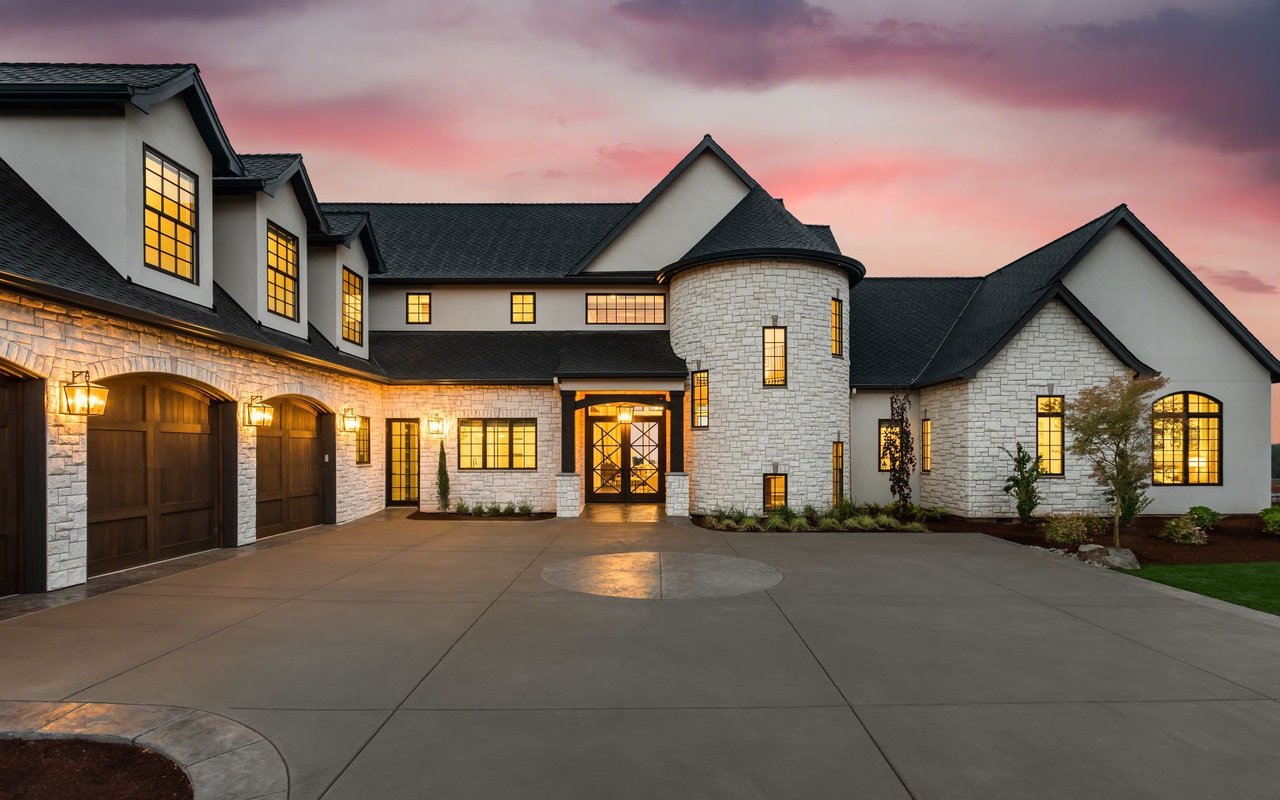
Large private estates usually require a different level of oversight. The more systems a home has, the more attention it tends to need.
Features That Increase Oversight
If you are considering a larger estate, pay close attention to homes with:
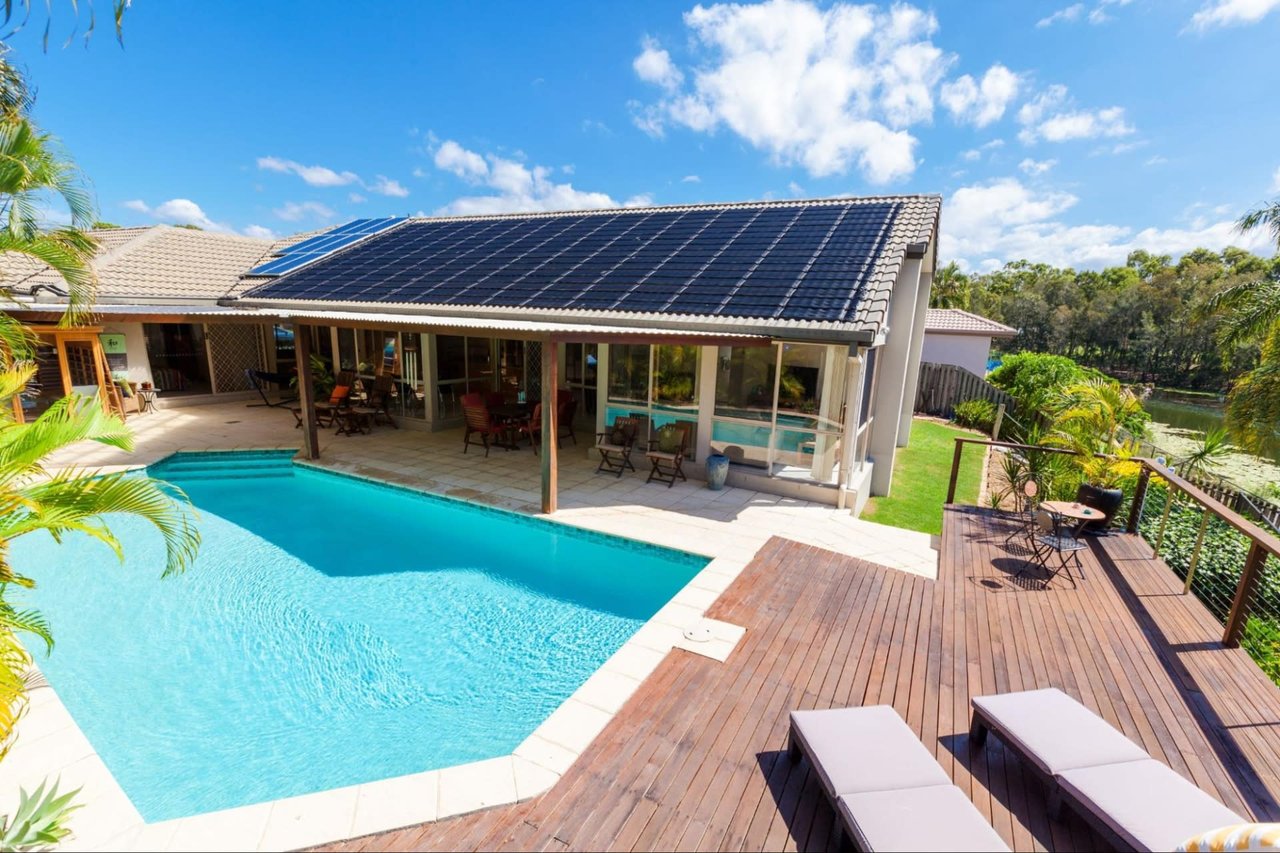
- Pools and spas
- Guest houses
- Elevators
- Long driveways and gates
- Extensive landscaping and irrigation
- Smart-home systems
- Security infrastructure
- Multiple outbuildings
California insurance guidance notes that neglect, maintenance issues, and long vacancies can create coverage problems. For a bi-coastal owner, that makes the operating side of ownership just as important as the aesthetic side.
Understand Local Governance Differences
Two homes may look similar on paper and operate very differently depending on where they sit. That is why local governance matters.
For example, Montecito is an unincorporated Santa Barbara County community, so planning and permitting run through county channels. Beverly Hills, by contrast, describes itself as a full-service city with its own police and fire departments. If you own remotely and may need permits, inspections, or municipal coordination, those differences can affect convenience and timing.
This is one reason many seasoned buyers evaluate not just the property itself, but also the local framework around it. A polished acquisition strategy looks at the full ownership experience, not just the listing photos.
Budget Beyond the Purchase Price
One of the biggest mistakes bi-coastal buyers can make is underestimating total carrying and closing costs. In California, your acquisition cost picture may look very different from what you are used to in New York.
The California State Board of Equalization says most properties are reassessed when ownership changes. Property taxes are based on the assessed value at the time of acquisition, with a statewide maximum tax rate of 1% of taxable value plus local voter-approved debt service and assessments. Supplemental assessments can also create additional bills after a purchase or after new construction.
That means your California tax profile is not just an annual line item. The purchase itself can reset the tax base.
Why Transfer Taxes Matter in Estate Buying
Transfer taxes can be especially significant in the upper end of the market. In the City of Los Angeles, the Office of Finance states that the base real property transfer tax is $2.25 per $500, and Measure ULA adds 4% above $5.4 million and 5.5% at $10.9 million or more for transactions closing after June 30, 2026.
Just as important, transfer taxes can vary by municipality. Before you commit to a property, confirm exactly which jurisdiction the address falls under. That one detail can materially change your total cost to close.
Make Insurance Part of the Search
Insurance should be part of your search from day one, not something you review after you fall in love with a property. In California, coverage questions can affect both budget and property selection.
The California Department of Insurance says standard homeowners policies generally exclude flood and earthquake. Its residential insurance guide also notes that losses to a house vacant for 60 days or more, as well as wear-and-tear or maintenance issues, are generally not covered. For a New York owner planning part-time occupancy, those details deserve close attention.
The department also says the FAIR Plan is a last-resort option for homeowners who cannot find standard coverage. It has also highlighted wildfire-safety discounts for homes that reduce risk.
Key Insurance Questions to Ask
As you evaluate California properties, ask:
- Can I obtain standard homeowners coverage at this address?
- Will my occupancy pattern create vacancy concerns?
- Do I need separate flood coverage?
- Do I need separate earthquake coverage?
- What wildfire risk-reduction features does the home already have?
For wildfire-exposed properties, CAL FIRE says home hardening and defensible space together give a house the best chance of surviving a wildfire. If you are looking at canyon, hillside, or certain coastal-adjacent settings, that should be part of your evaluation early.
Factor in Travel Logistics
A bi-coastal home should work with your real life, not just your aspirational one. That is why airport access belongs in your search criteria from the beginning.
Los Angeles World Airports identifies LAX as the primary airport serving Greater Los Angeles and the region’s international gateway. Santa Barbara Airport says it offers 26 daily nonstops to 13 destinations. For a New York owner, that can create a very different ownership rhythm depending on whether you are buying in Los Angeles proper or in the Santa Barbara area.
Build Your Search Around Real Travel Patterns
Think through the details that will shape your experience:
- How often will you fly in from New York?
- Do you want the broad connectivity of LAX?
- Would Santa Barbara area access better support your schedule?
- How much drive time are you comfortable with after landing?
When you own from afar, airport strategy becomes part of property strategy.
Set Up a Remote Ownership System
Even the most turnkey luxury home still needs consistent oversight. A well-run bi-coastal property usually depends on a clear local support system.
In practice, that often means having a local house manager or management team, a trusted vendor bench, and a repeatable check-in and check-out routine. This approach aligns with the simple reality that second homes still require maintenance and repairs, while insurance and HOA responsibilities reward prompt attention and good documentation.
Your Bi-Coastal Operations Checklist
Before closing, it helps to know:
- Who will check the property during vacant periods?
- Who will coordinate maintenance and repairs?
- Who will manage landscaping, irrigation, or pool service?
- Who will document issues for insurance or HOA needs?
- How will the home be prepared before and after each stay?
The smoother your local operations plan, the easier your ownership experience will be.
A Smarter Way to Search From New York
For New York buyers eyeing Los Angeles estates, the most effective path is usually the most disciplined one. Define your occupancy goals first, choose a property type that fits your maintenance tolerance, price in taxes and insurance early, and treat airport access as a core location factor.
That approach helps limit surprises and creates a search brief that reflects how you will actually live with the property. In luxury real estate, clarity is an advantage.
If you are exploring a bi-coastal purchase in Beverly Hills, Los Angeles, Montecito, Malibu, Manhattan Beach, or nearby high-end California markets, working with a team that understands both the acquisition and the operating realities can make the process far more strategic. To start a discreet conversation, connect with The Di Prizito Group, Inc..
FAQs
What should New York buyers decide before touring Los Angeles estates?
- You should first define how you plan to use the property, including your occupancy schedule, whether it will be personal-use only, and how much vacancy or hands-on management you are comfortable with.
What type of California property is easiest for part-time New York owners?
- Condos, townhomes, and HOA-governed single-family homes are often more lock-and-leave friendly because associations generally maintain common areas while owners handle their own units and certain exclusive-use areas.
How are California property taxes different for New York buyers?
- California generally reassesses property when ownership changes, so your tax basis may reset at acquisition and can include supplemental assessments in addition to the standard property tax structure.
What insurance issues matter most for New York owners buying in Los Angeles?
- Standard homeowners insurance generally excludes flood and earthquake, and vacancy of 60 days or more can create coverage concerns for certain losses, so you should review coverage options early in the search.
Why does airport access matter for bi-coastal California ownership?
- Airport access affects how practical and enjoyable the home will be to use, especially when you are traveling back and forth from New York and want to align the property with your real travel habits.
What should remote owners set up before closing on a Los Angeles estate?
- You should have a local oversight plan that covers property checks, vendor coordination, maintenance response, documentation, and routines for preparing the home before and after each visit.