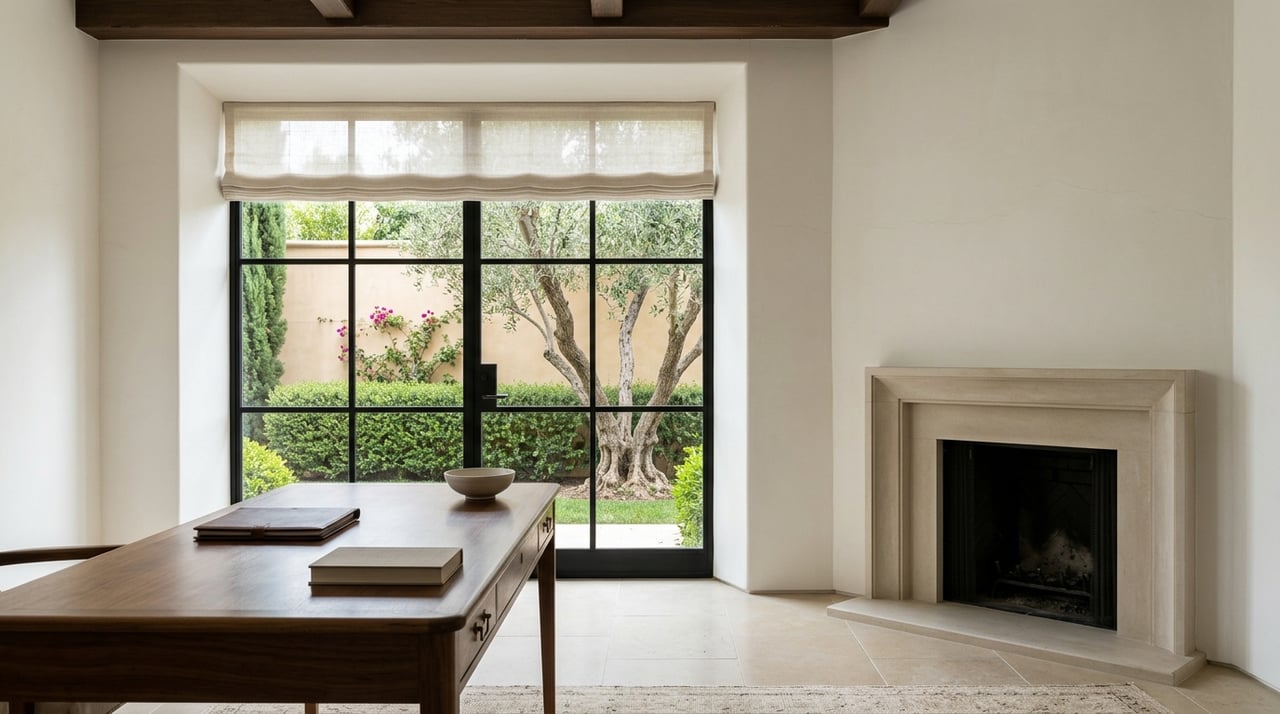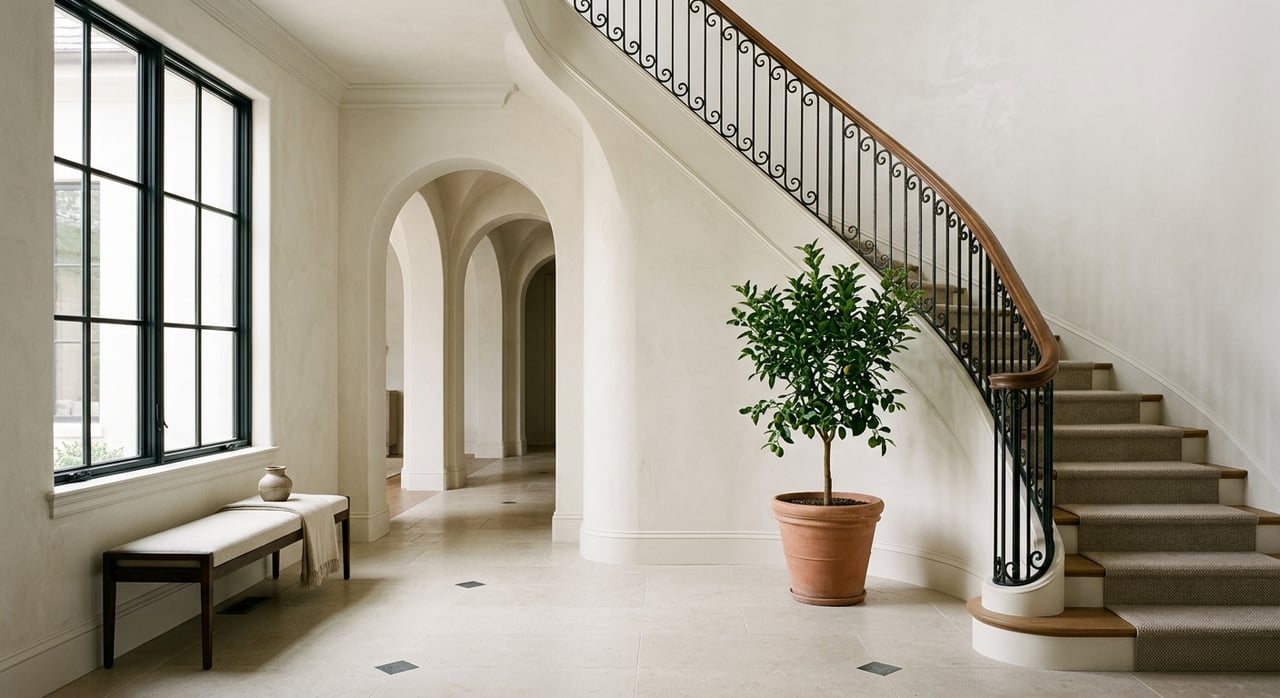
If you love homes with a point of view, Los Feliz is one of the most rewarding places in Los Angeles to explore. This is a neighborhood where hillside streets, mature trees, historic districts, and architect-designed residences create a setting that feels layered rather than uniform. If you are drawn to design, this tour will help you understand what makes Los Feliz luxury architecture so distinctive and what that can mean when you buy in this part of the city. Let’s take a closer look.
Why Los Feliz Stands Out
Los Feliz is not defined by a single architectural style. Instead, it reads like a curated collection of Southern California design history, with Spanish Colonial Revival estates, Tudor and American Colonial Revival homes, postwar modern houses, Craftsman bungalows, and courtyard apartment buildings all sharing the same broader neighborhood fabric.
That variety is tied closely to the area’s development pattern. City planning materials note that Los Feliz Heights was conceived in the 1920s as an elegant hillside community with architect-designed homes, panoramic views, and access to Hollywood and downtown by streetcar or automobile. Because the subdivision developed lot by lot, owners could hire their own architect, which helps explain why the neighborhood feels cohesive without feeling repetitive.
The Role of the Hillside Setting
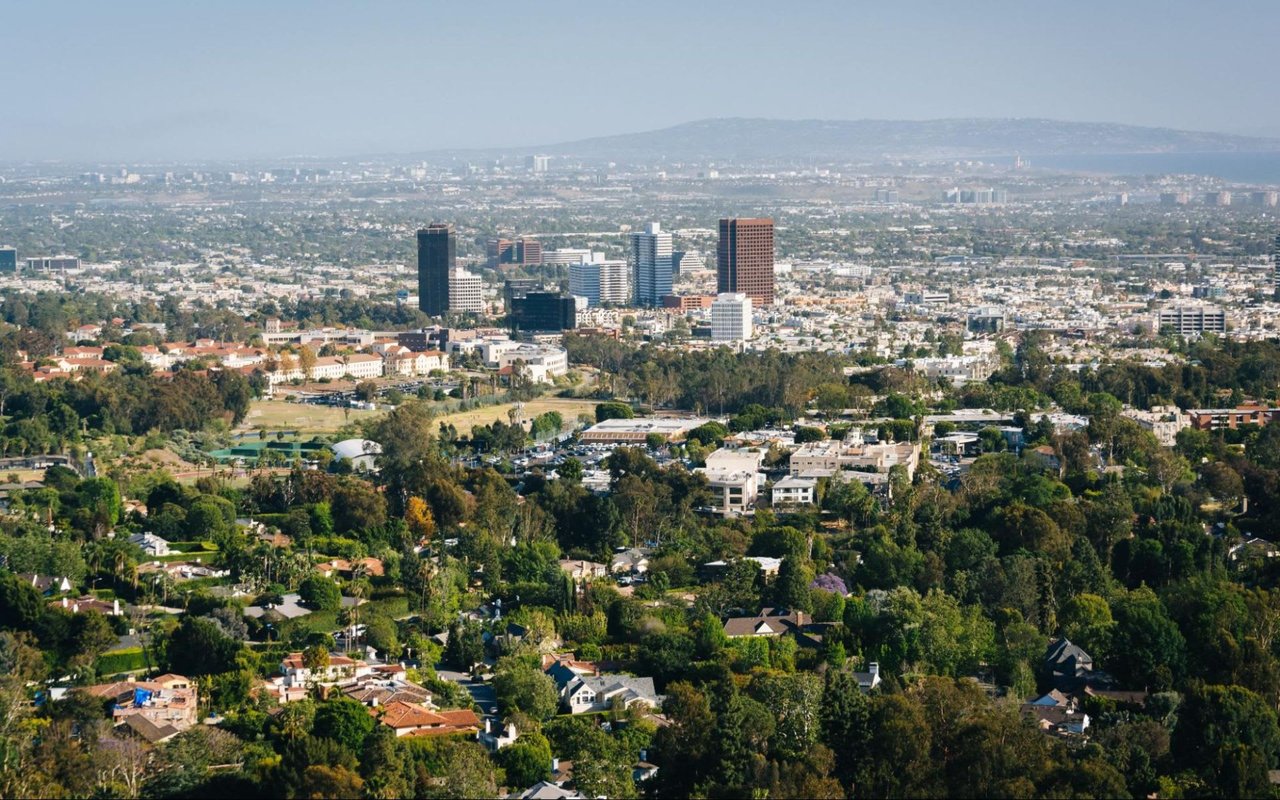
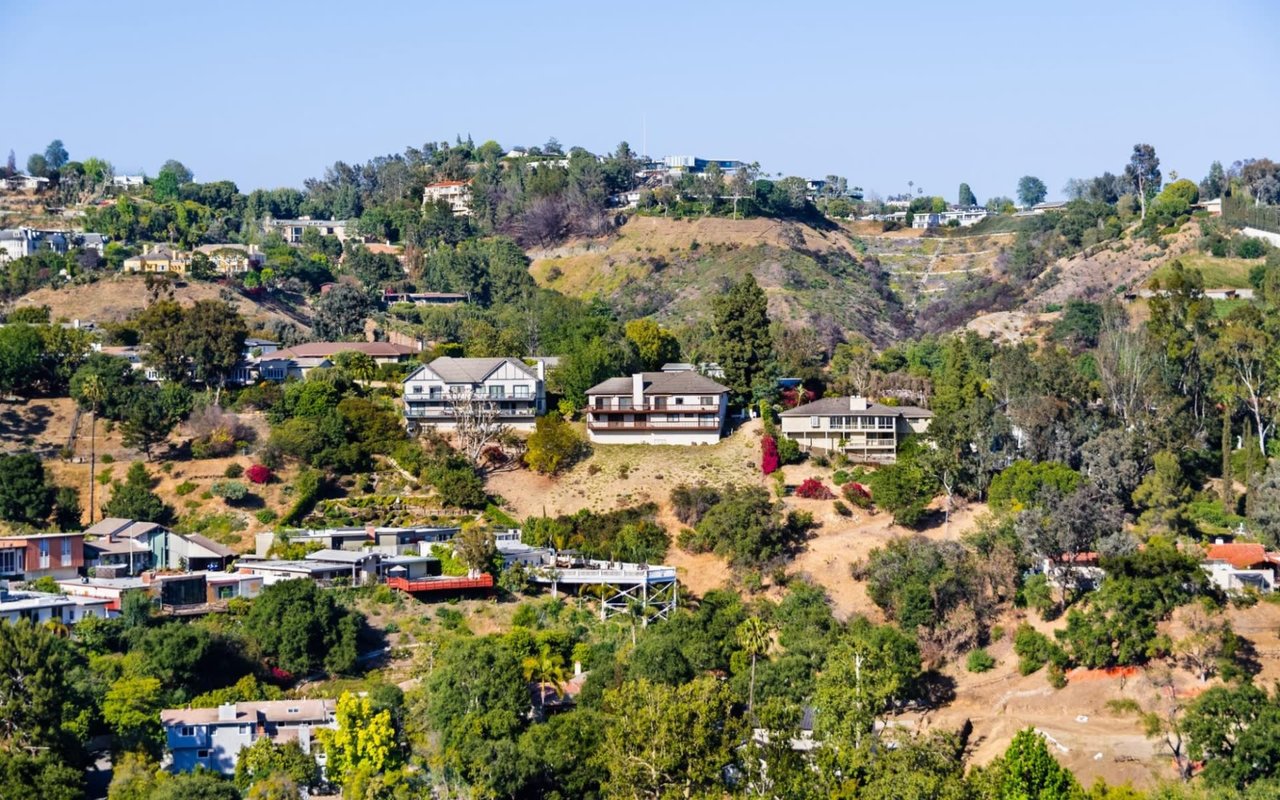
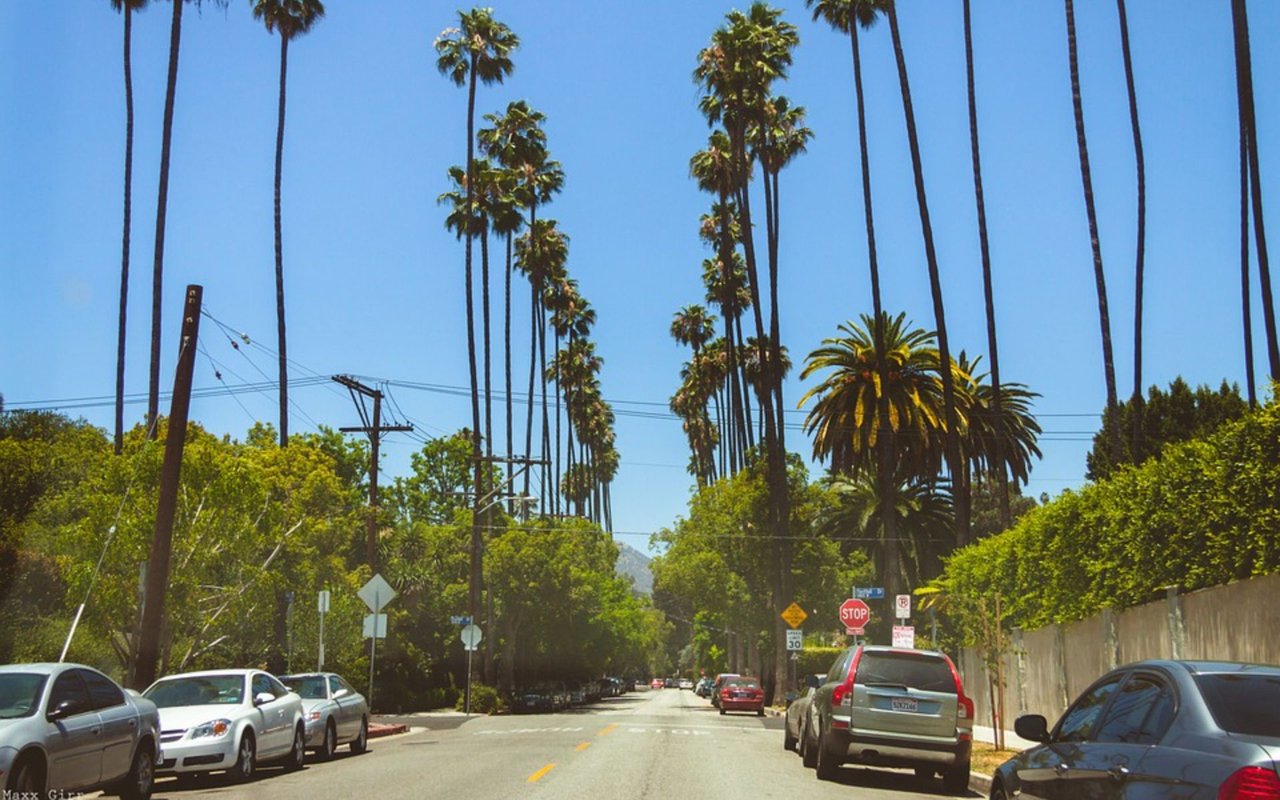
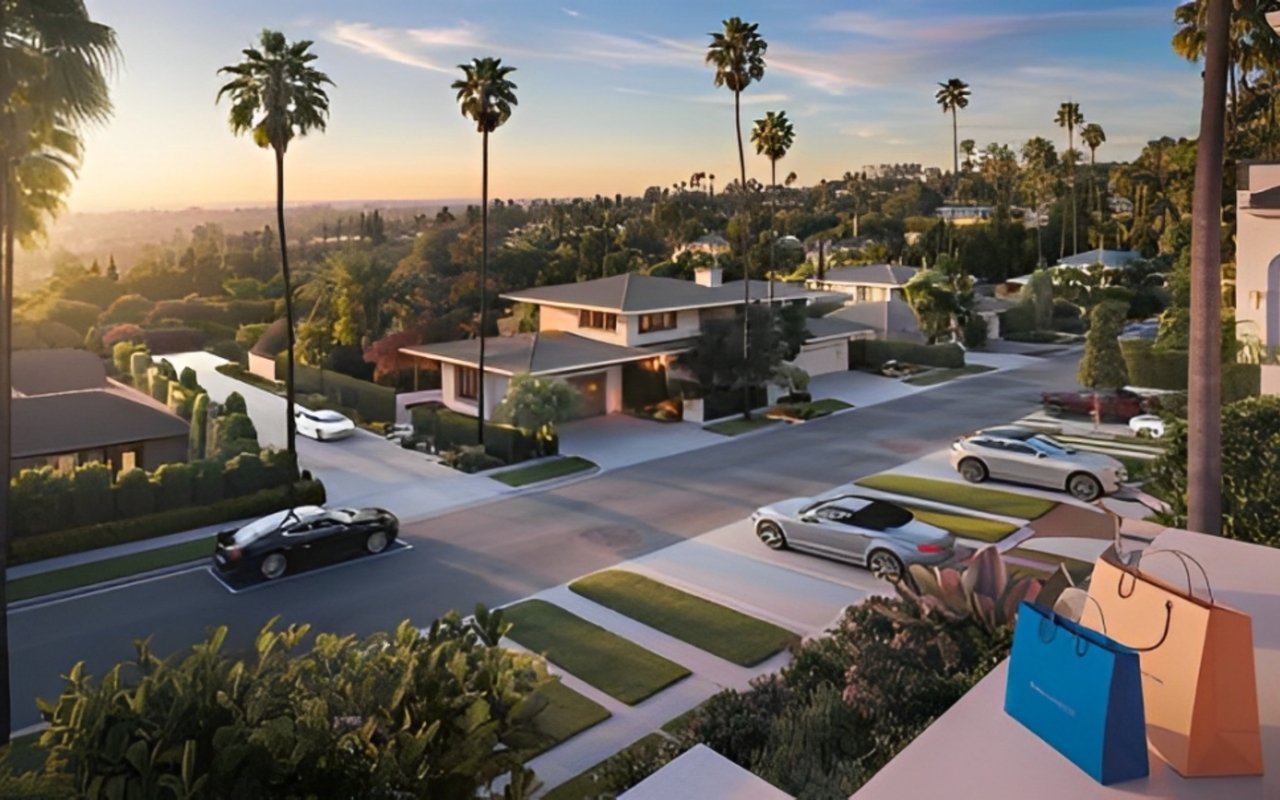
Topography shapes the design experience in Los Feliz as much as architecture does. City descriptions of Los Feliz Heights highlight curving streets, irregular sloping lots, mature vegetation, period streetlights, and public stairways, all of which give the neighborhood its visual rhythm.
For you as a buyer, that often translates into homes with more vertical circulation, stepped gardens, detached garages, and outdoor spaces that unfold in terraces instead of flat lawns. In a luxury context, that can be a major part of the appeal, especially when architecture is used to frame views toward Griffith Park, the basin, or the surrounding hills.
Spanish Colonial Revival in Los Feliz
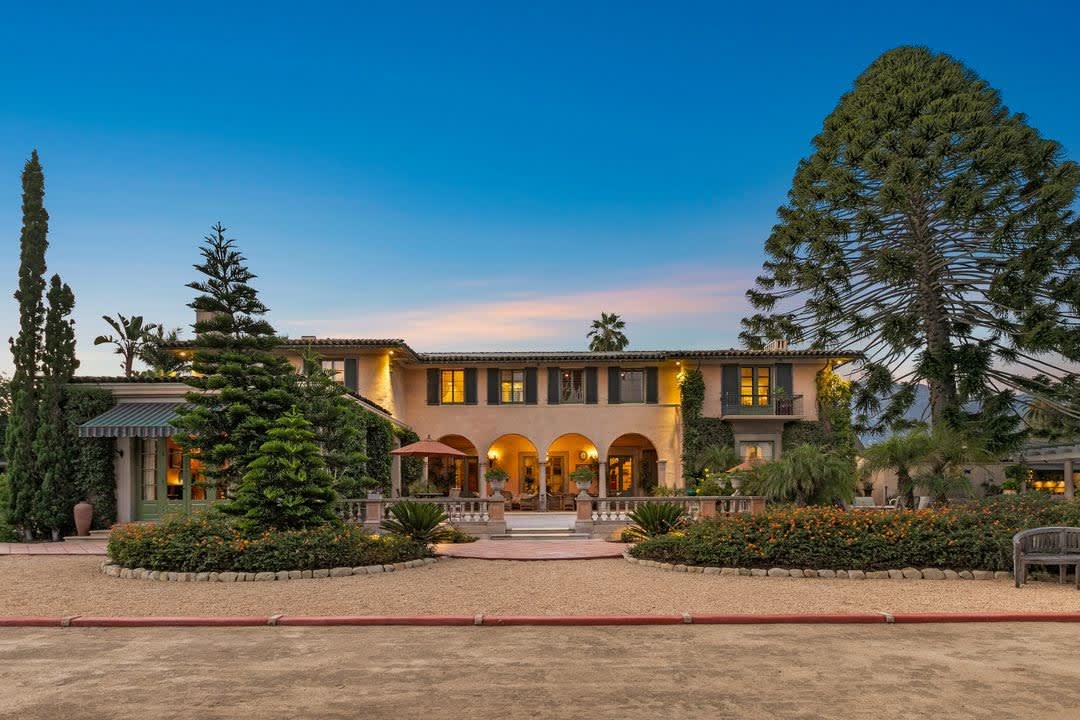
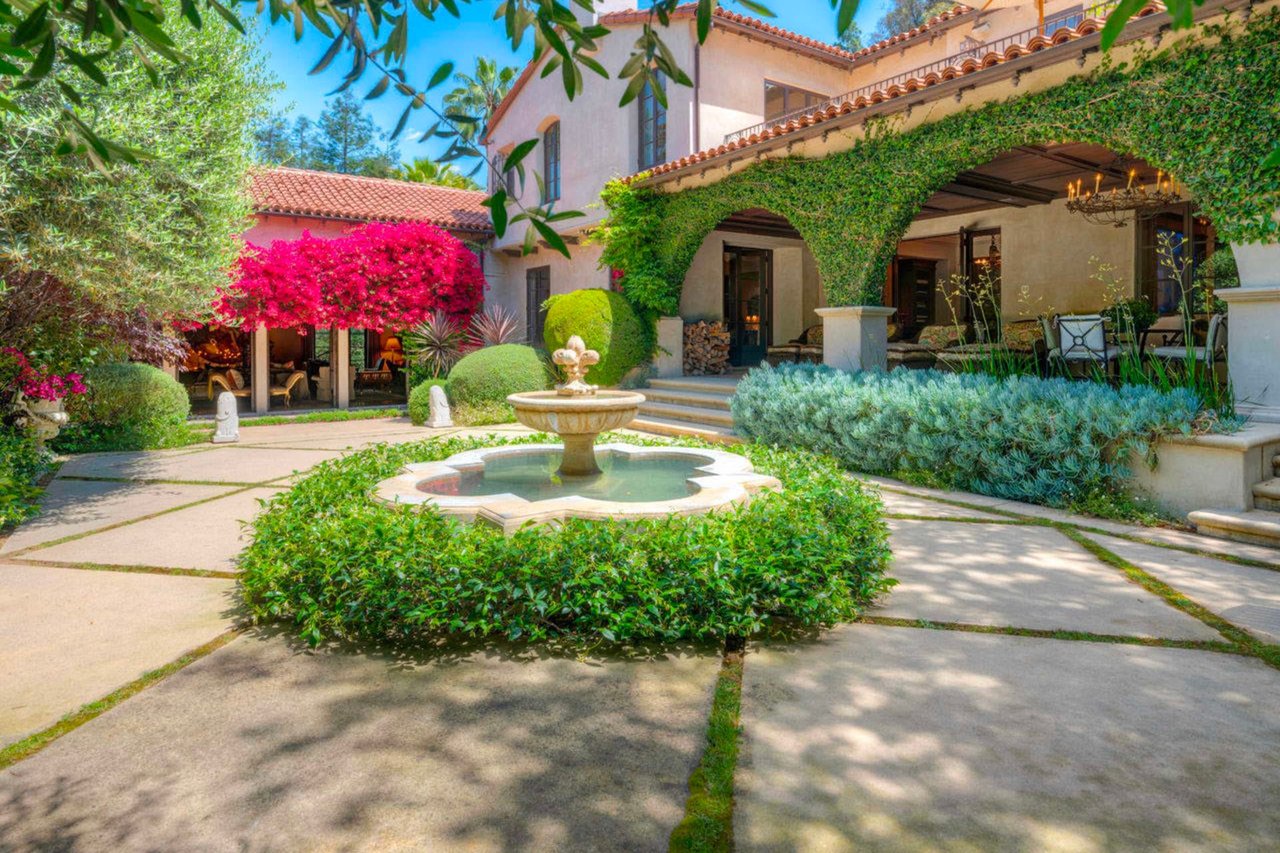
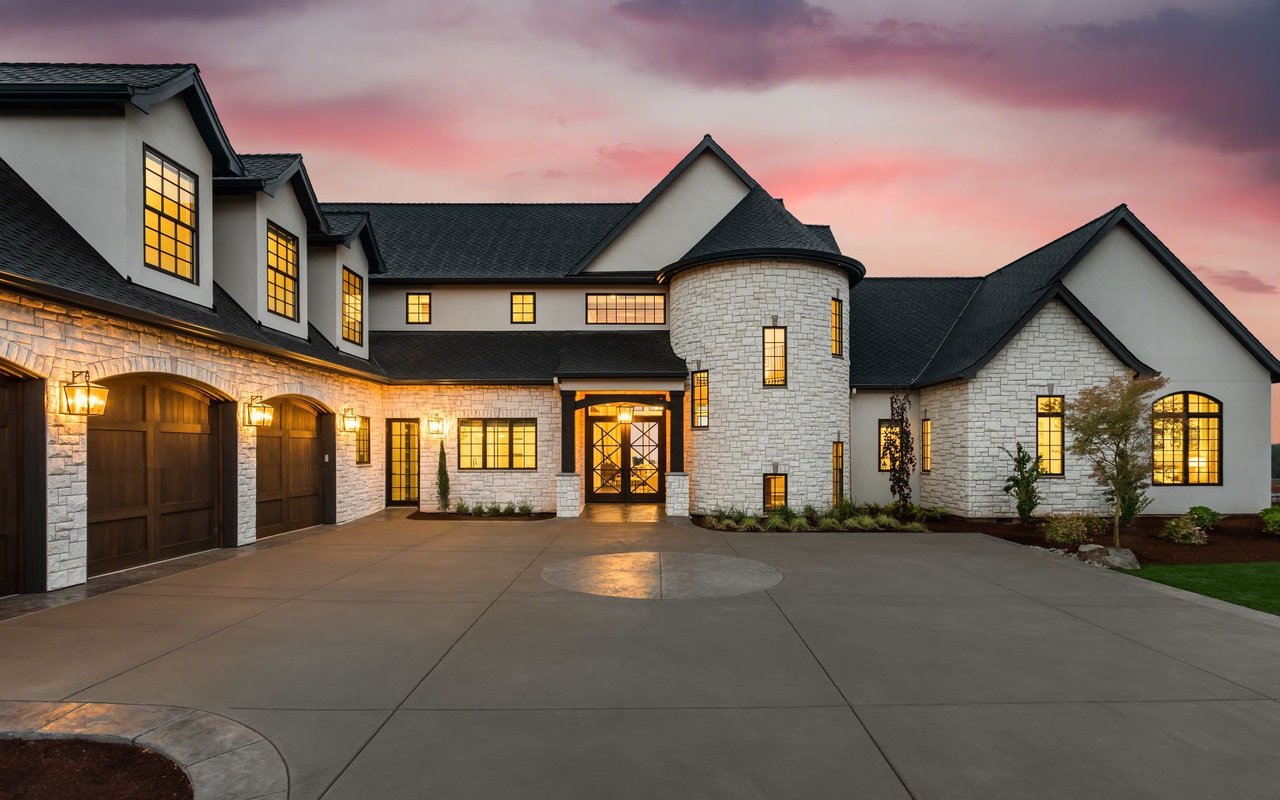
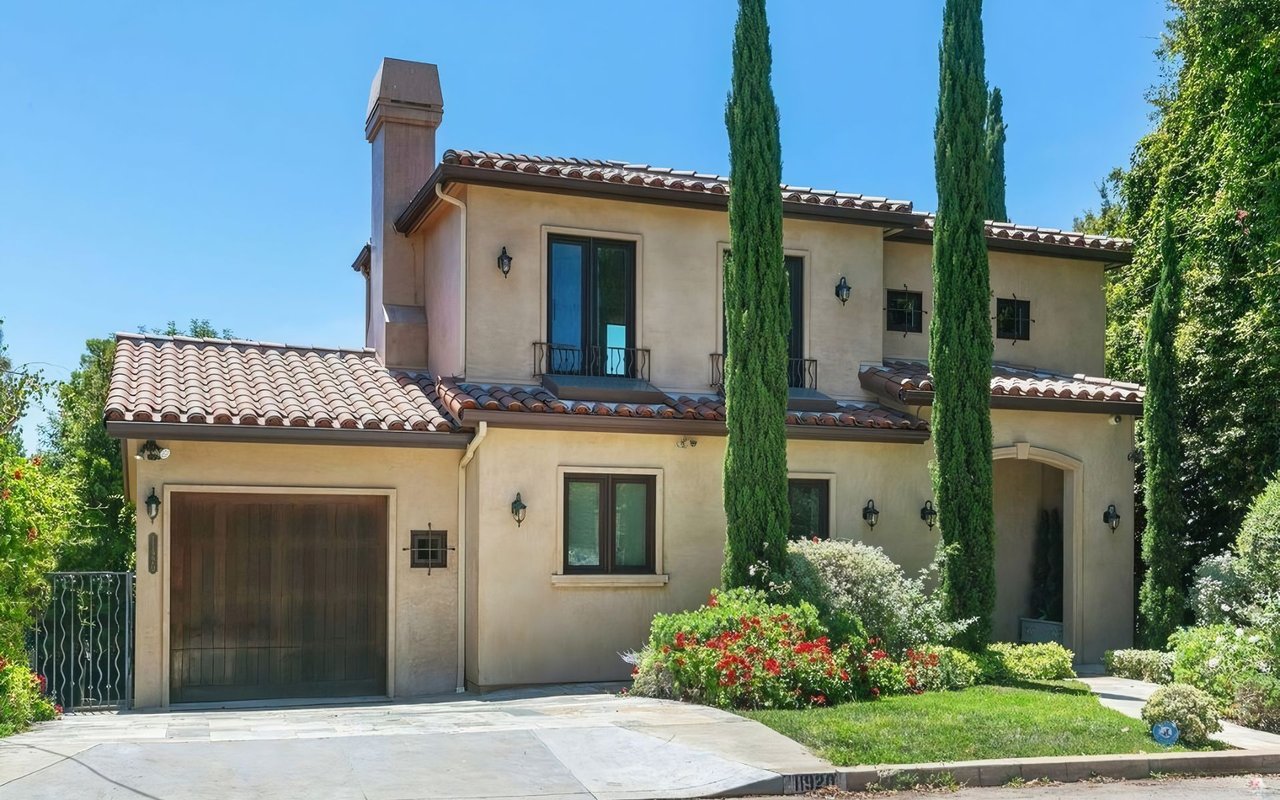
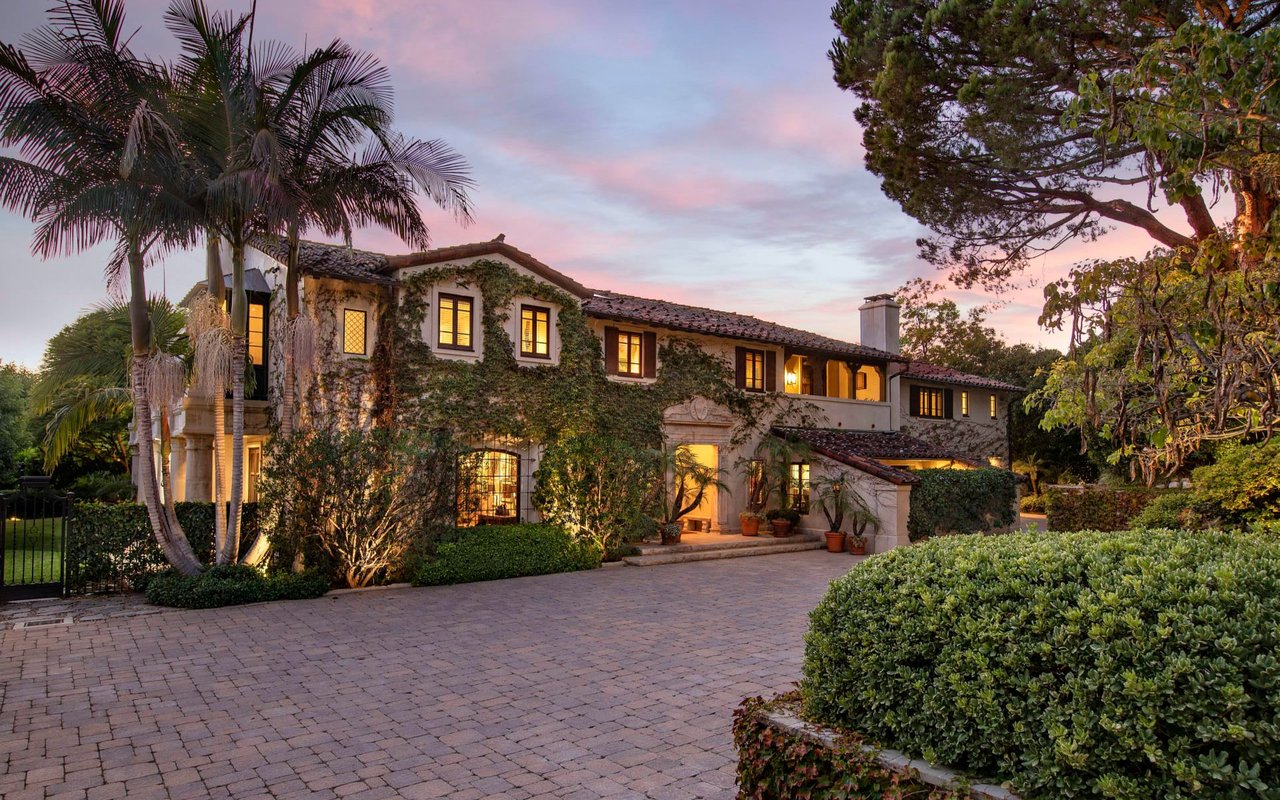
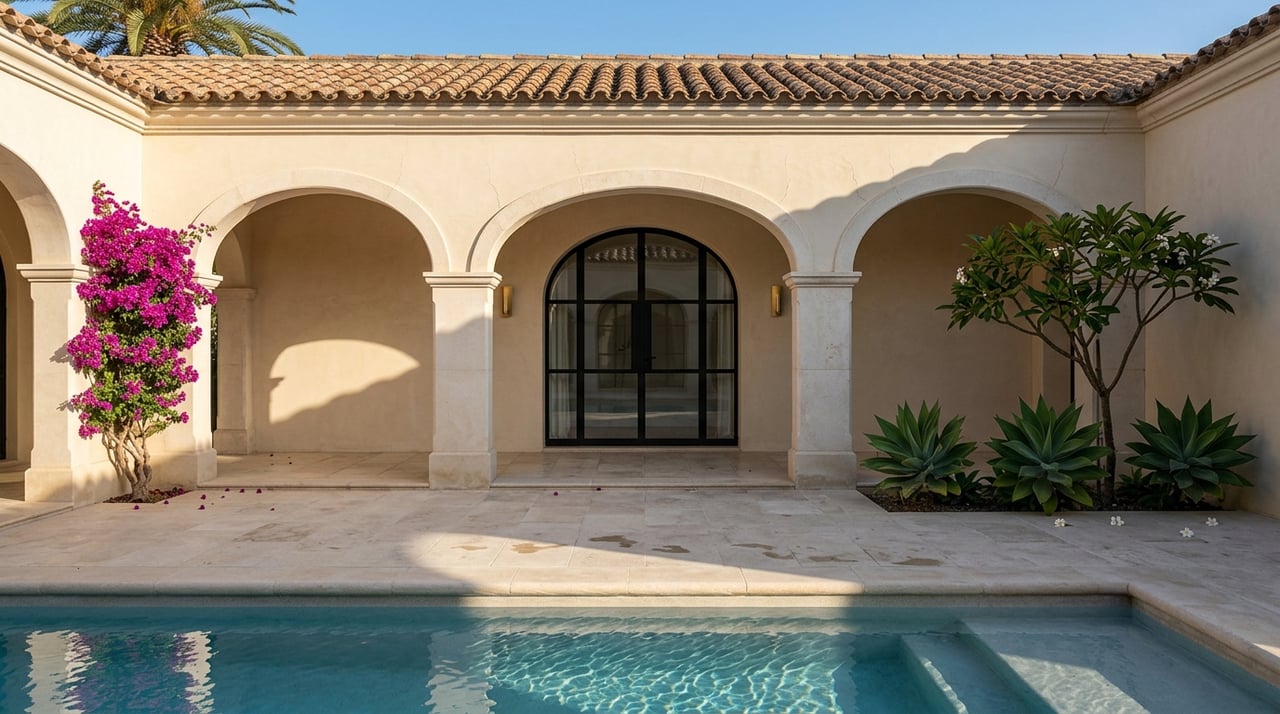
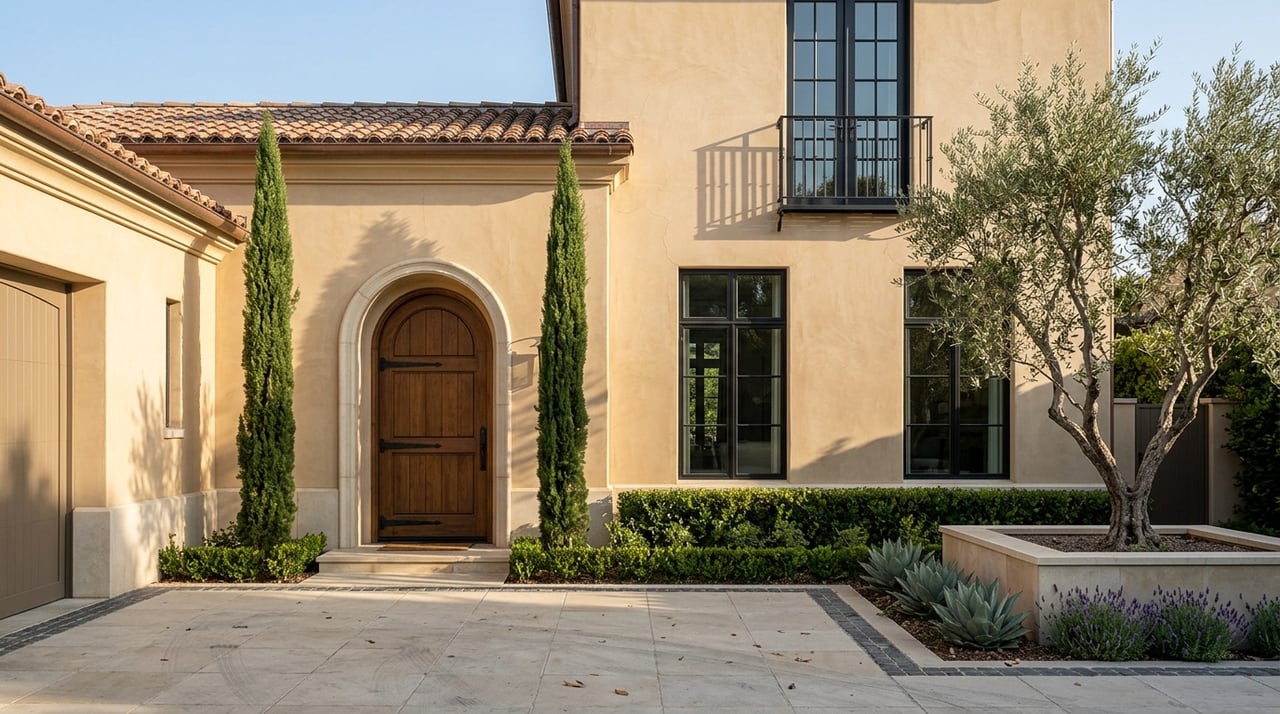
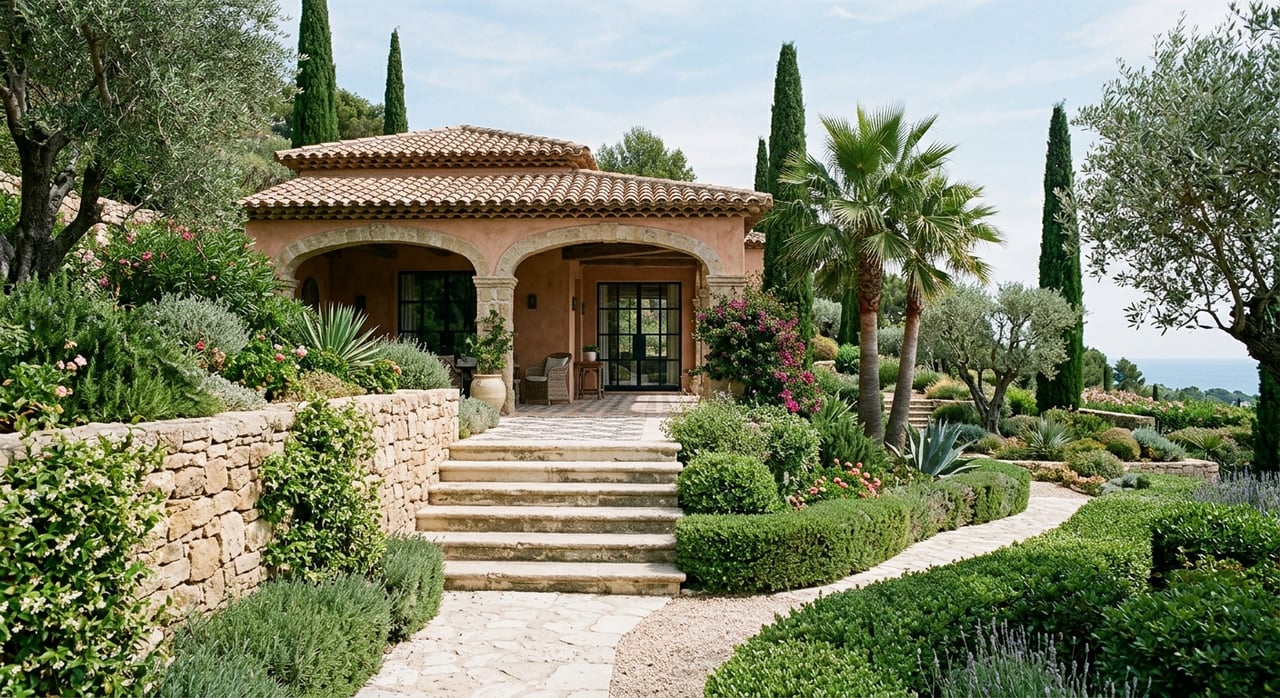
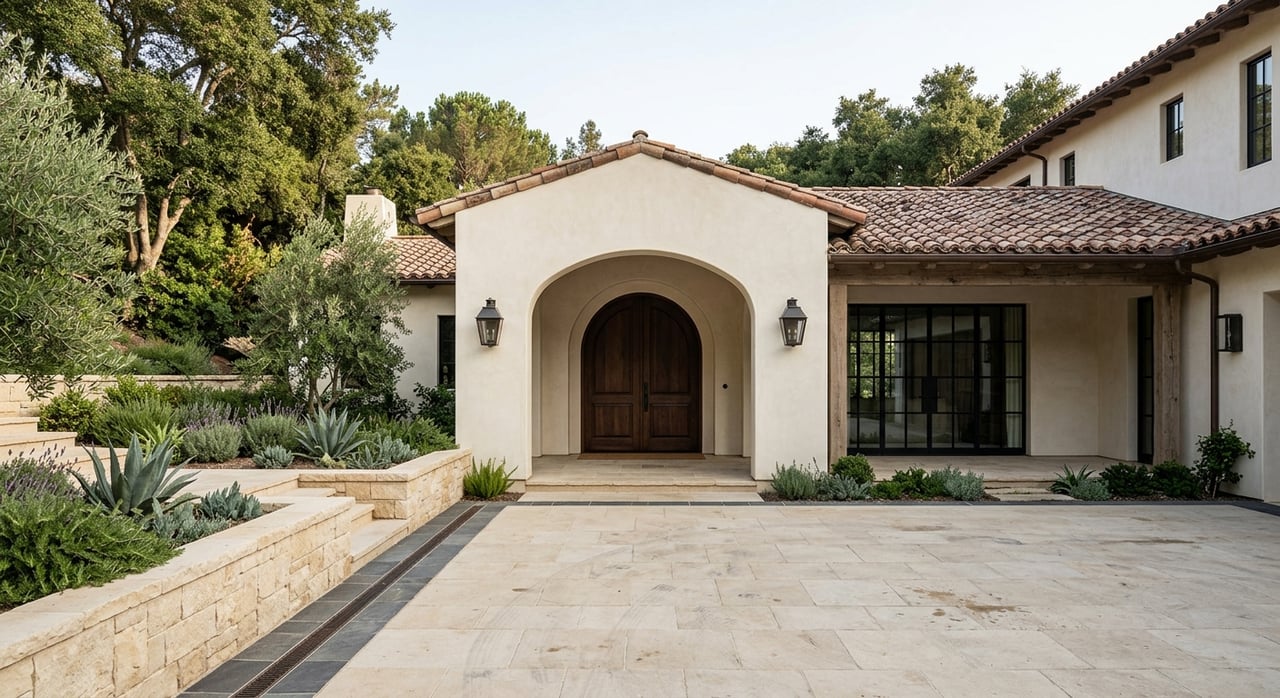
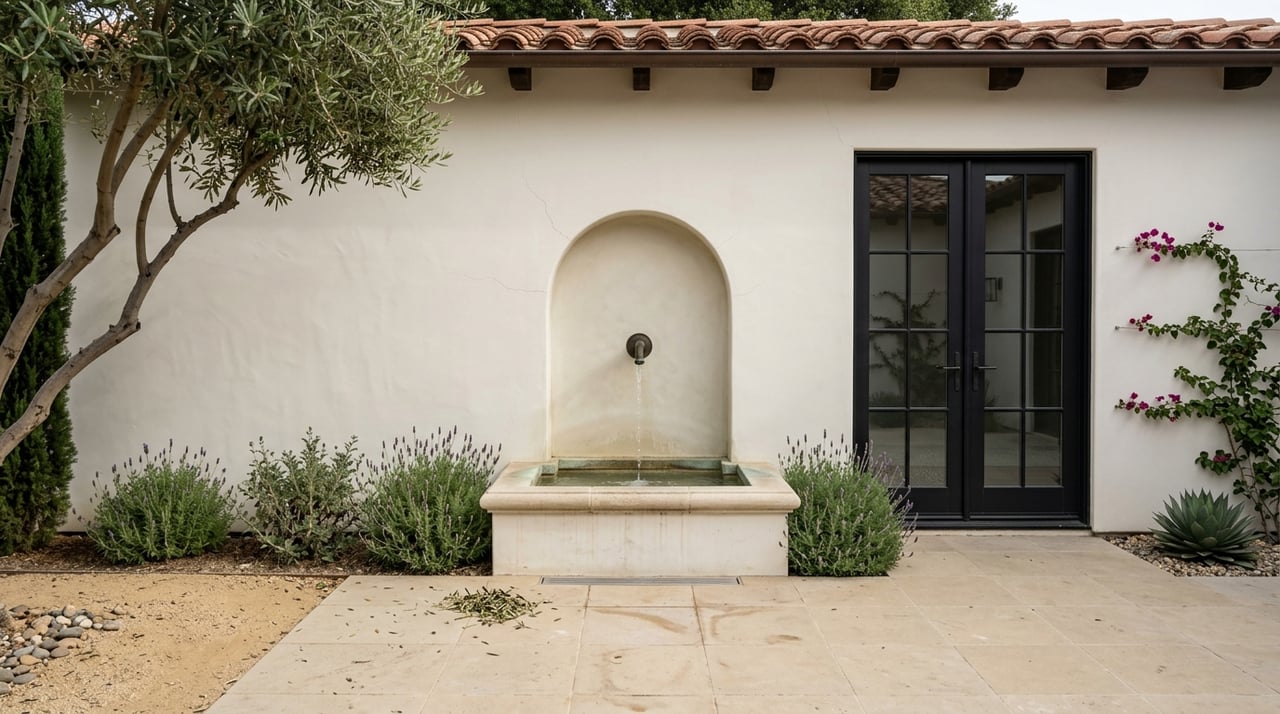
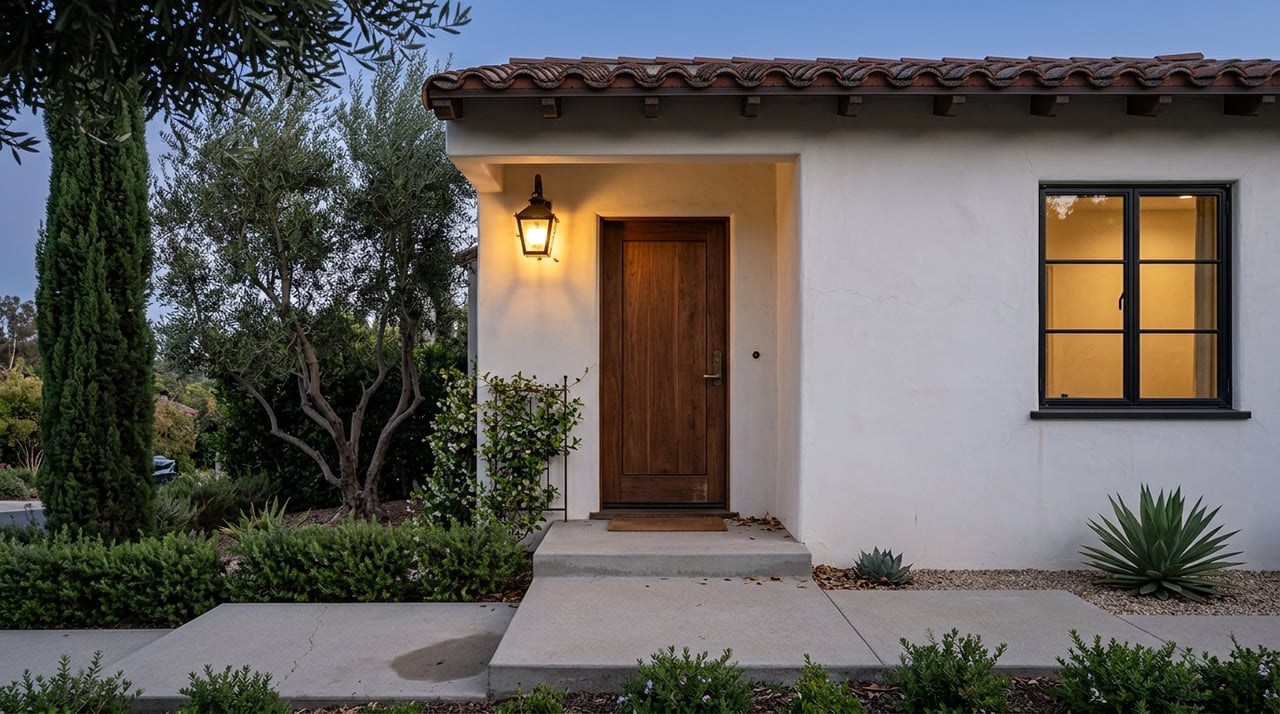
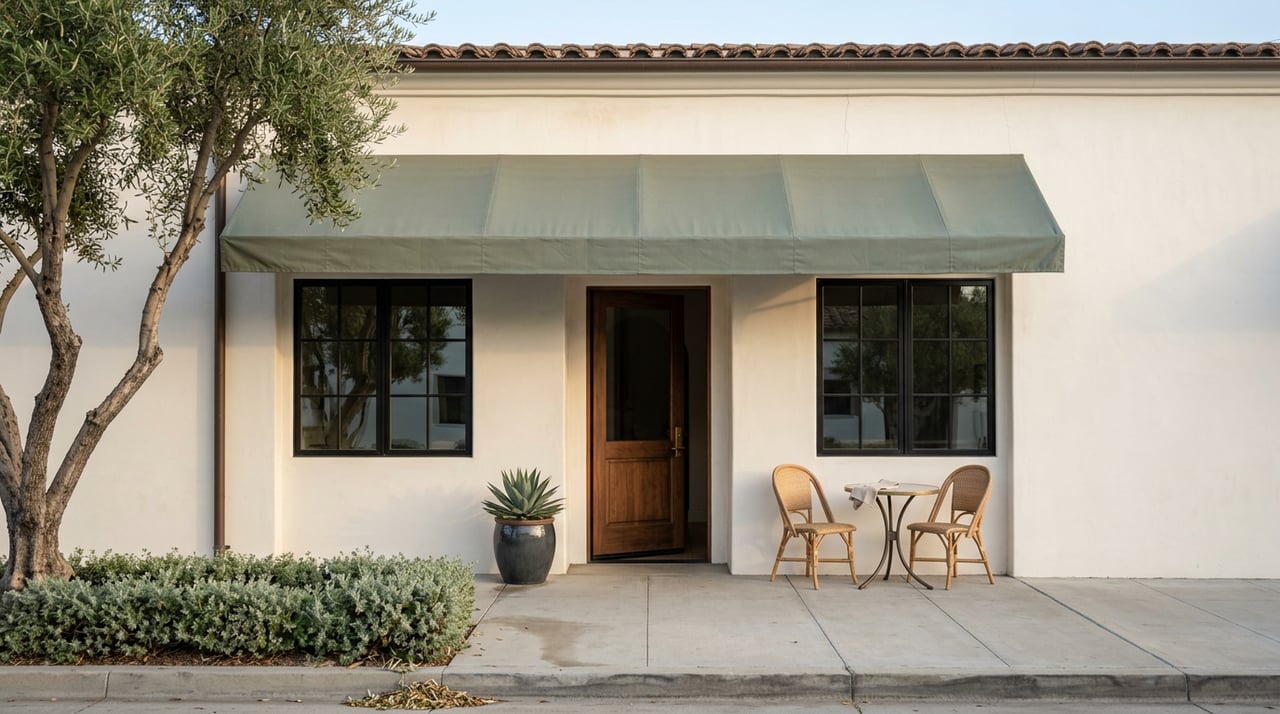
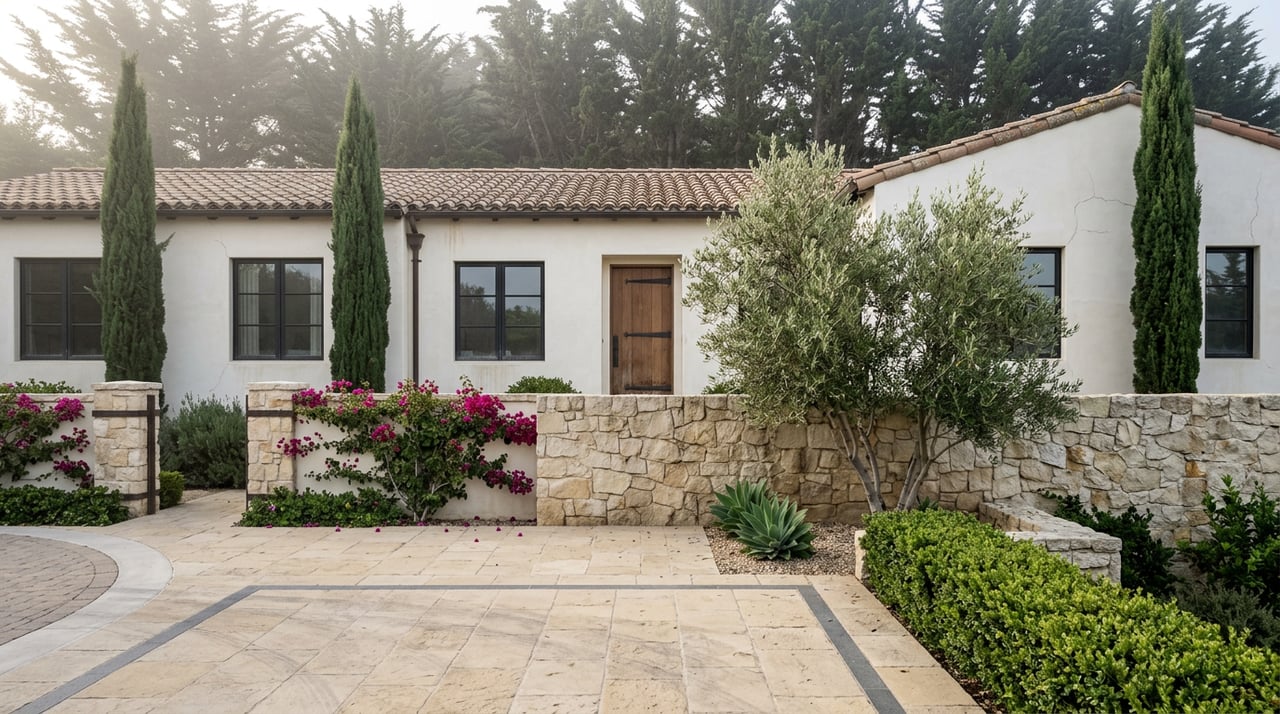
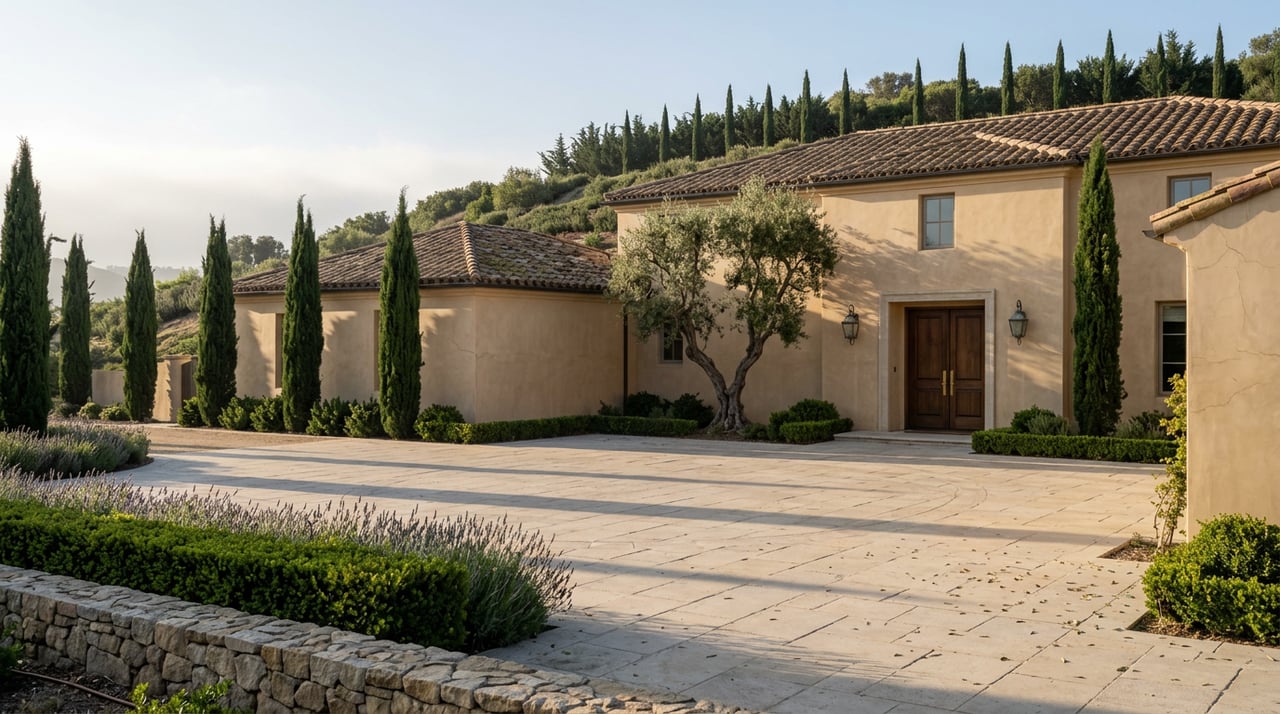
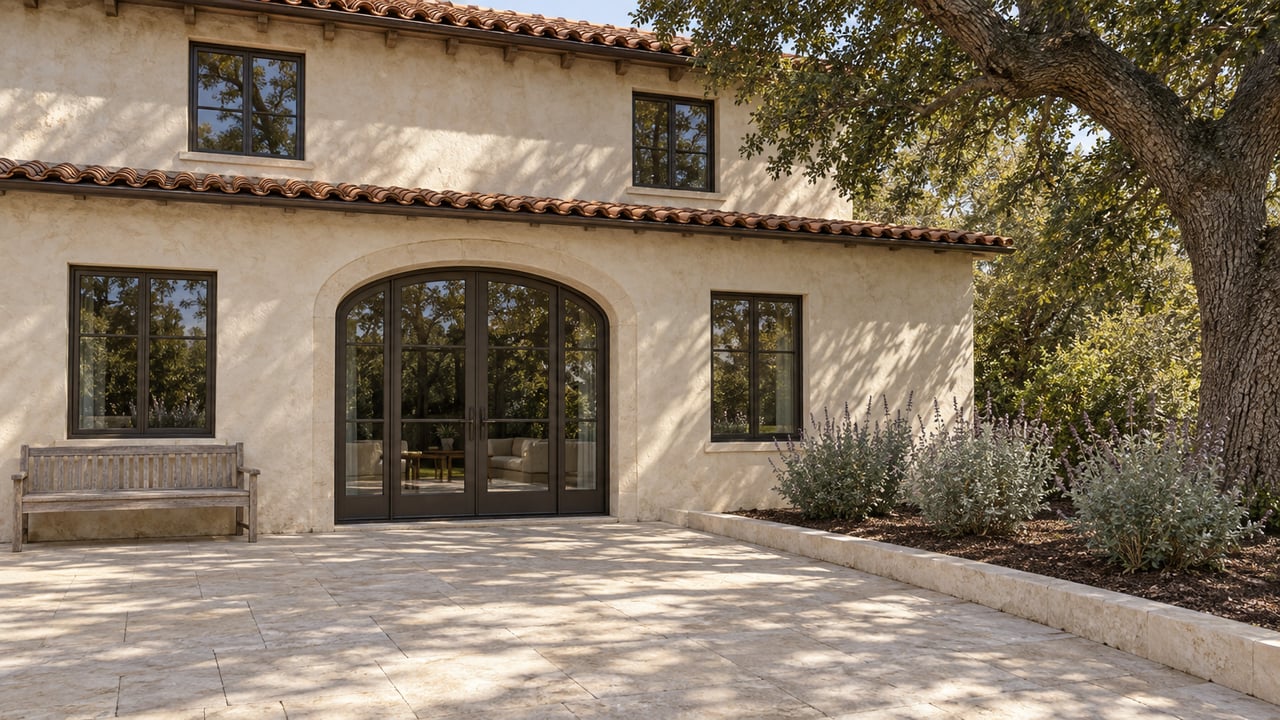
If there is one style many people first associate with Los Feliz luxury homes, it is Spanish Colonial Revival. National Park Service style references describe the style through stucco walls, tile roofs, asymmetrical facades, arched openings, and terra-cotta detailing, and those features remain some of the neighborhood’s most recognizable visual signatures.
In Los Feliz, this style often feels especially well suited to privacy and outdoor living. A City report on the Schlyen House describes an L-shaped plan, barrel-tile roof, arched details, and a patio-oriented rear facade, with the layout designed to preserve backyard privacy while maintaining views.
What the Style Feels Like to Live In
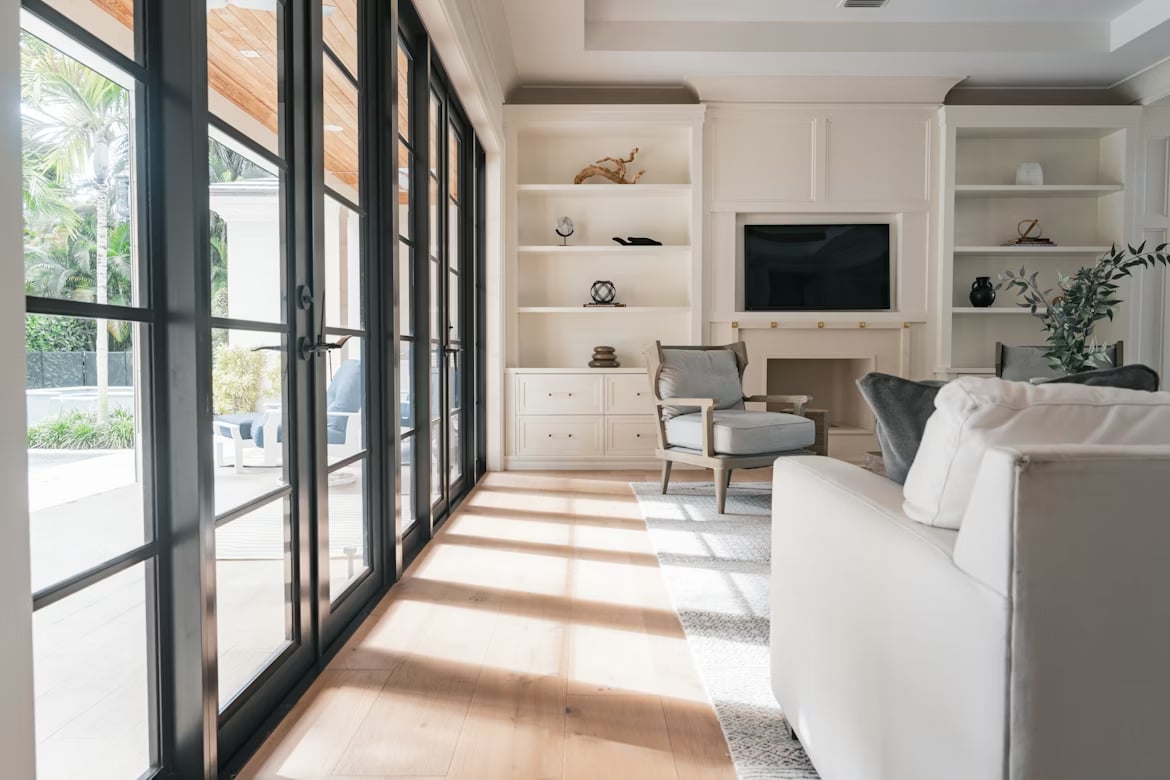
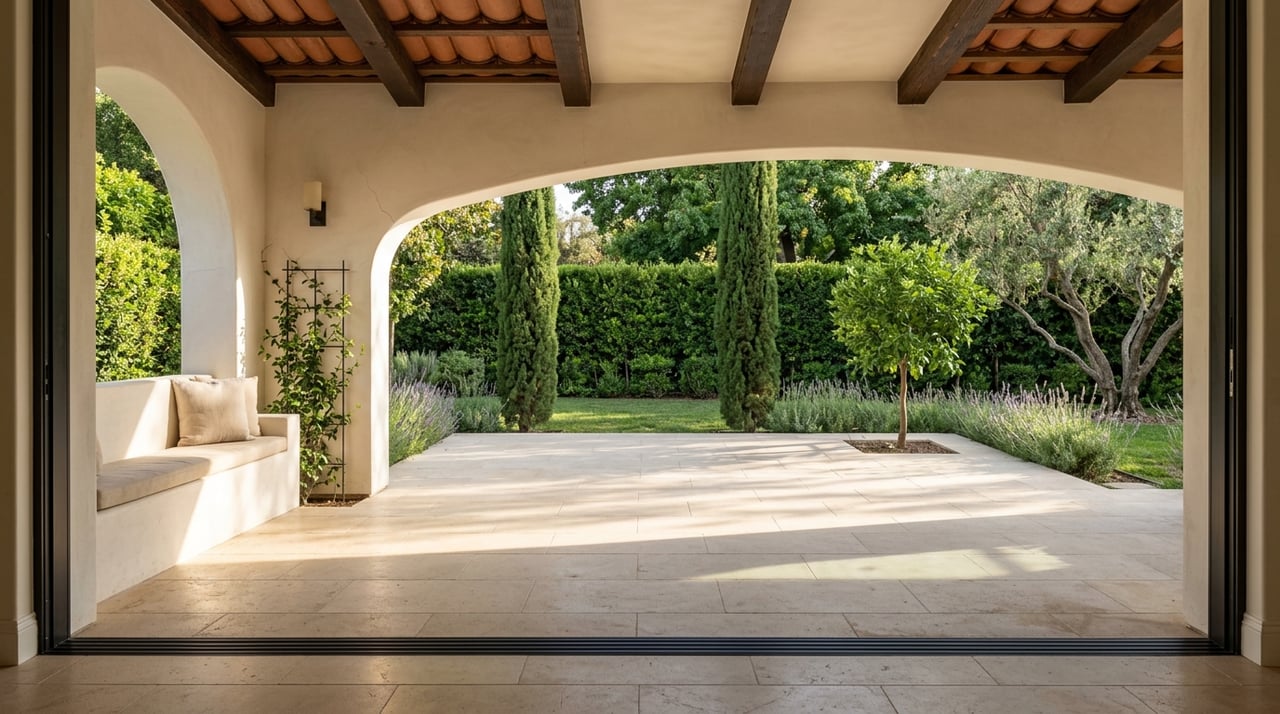
Spanish Colonial Revival homes often create a more room-by-room experience than later modern houses. Arched openings, courtyards, and patio-facing layouts can make the home feel protected, layered, and garden-oriented.
If you appreciate formality, quiet outdoor spaces, and strong architectural character, this style often delivers that in a way that still feels very California. In Los Feliz, that blend of enclosure and openness is one of the reasons these homes continue to command so much attention.
Period Revival Beyond Spanish Style
Los Feliz luxury architecture goes well beyond one Mediterranean look. The City identifies American Colonial, Mediterranean, and Tudor Revival among the dominant vocabularies in Los Feliz Heights, with architects such as Paul R. Williams, Milton J. Black, Gordon Kaufmann, Wallace Neff, and Morgan Walls & Clements represented in the district.
That matters because it reframes Los Feliz as a neighborhood of architectural depth. You are not simply shopping for a beautiful facade. You are often buying into a larger design lineage where proportion, site planning, and authorship can materially shape a home’s long-term appeal.
Why Architectural Pedigree Matters
In a luxury market, architectural significance can influence both lifestyle and ownership strategy. A home designed by a known architect or located in a recognized historic setting may carry added cultural value, but it can also come with preservation considerations.
That means design-minded buyers should look at the full picture. The right property is not only visually compelling, but also aligned with how you want to live, maintain, and potentially improve the home over time.
Mid-Century Modern Los Feliz
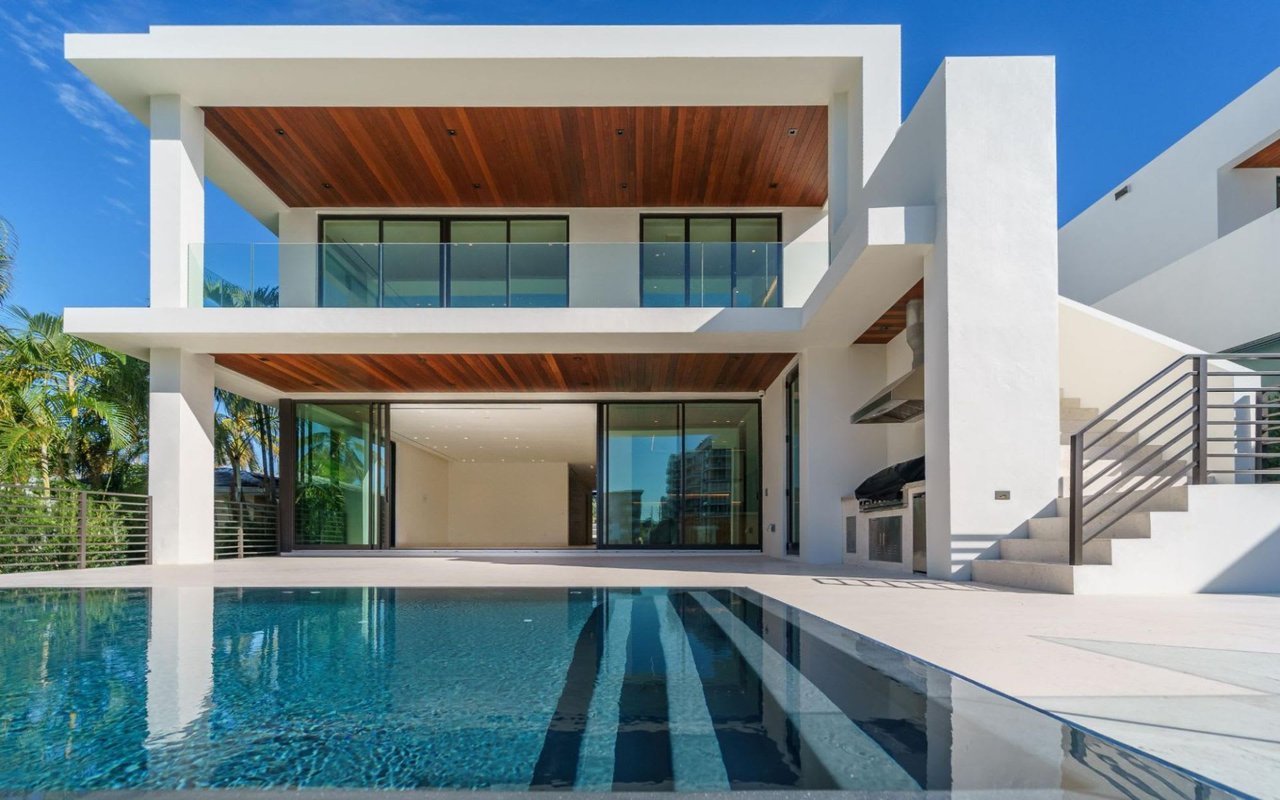
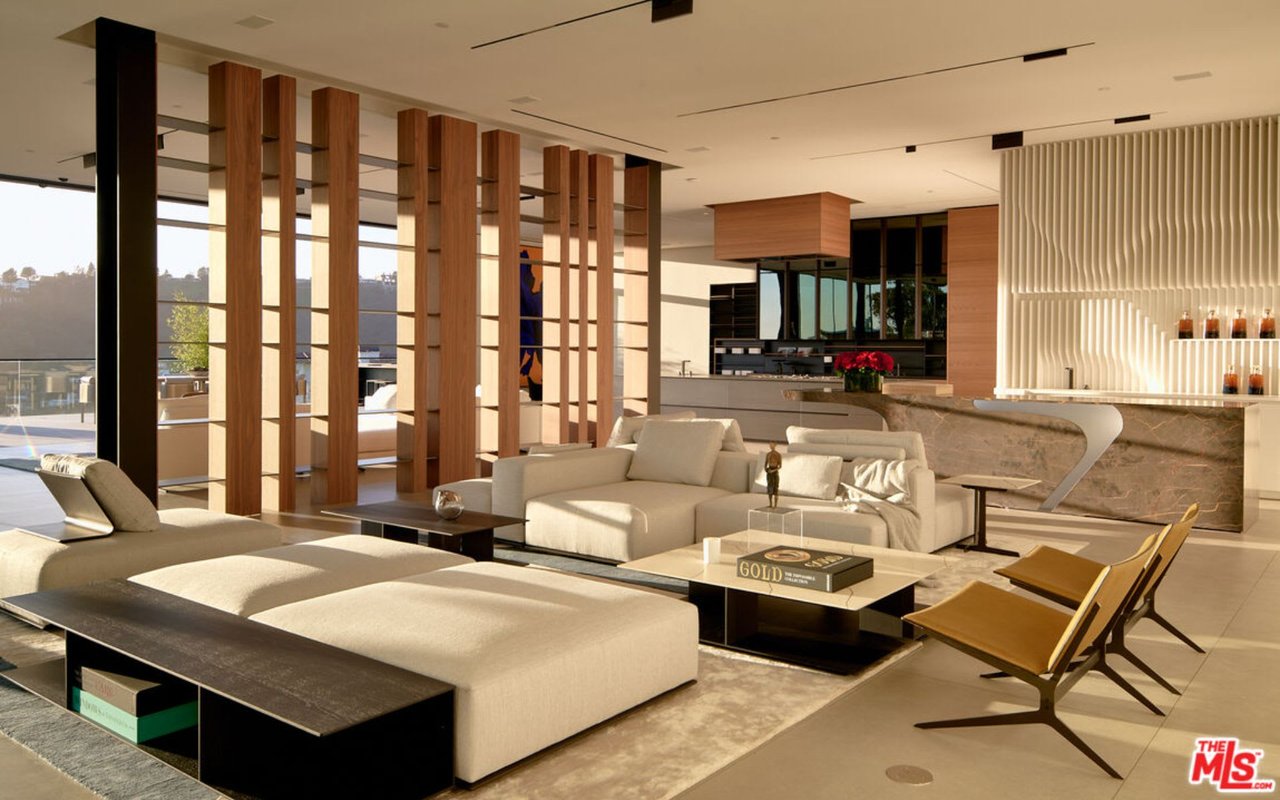
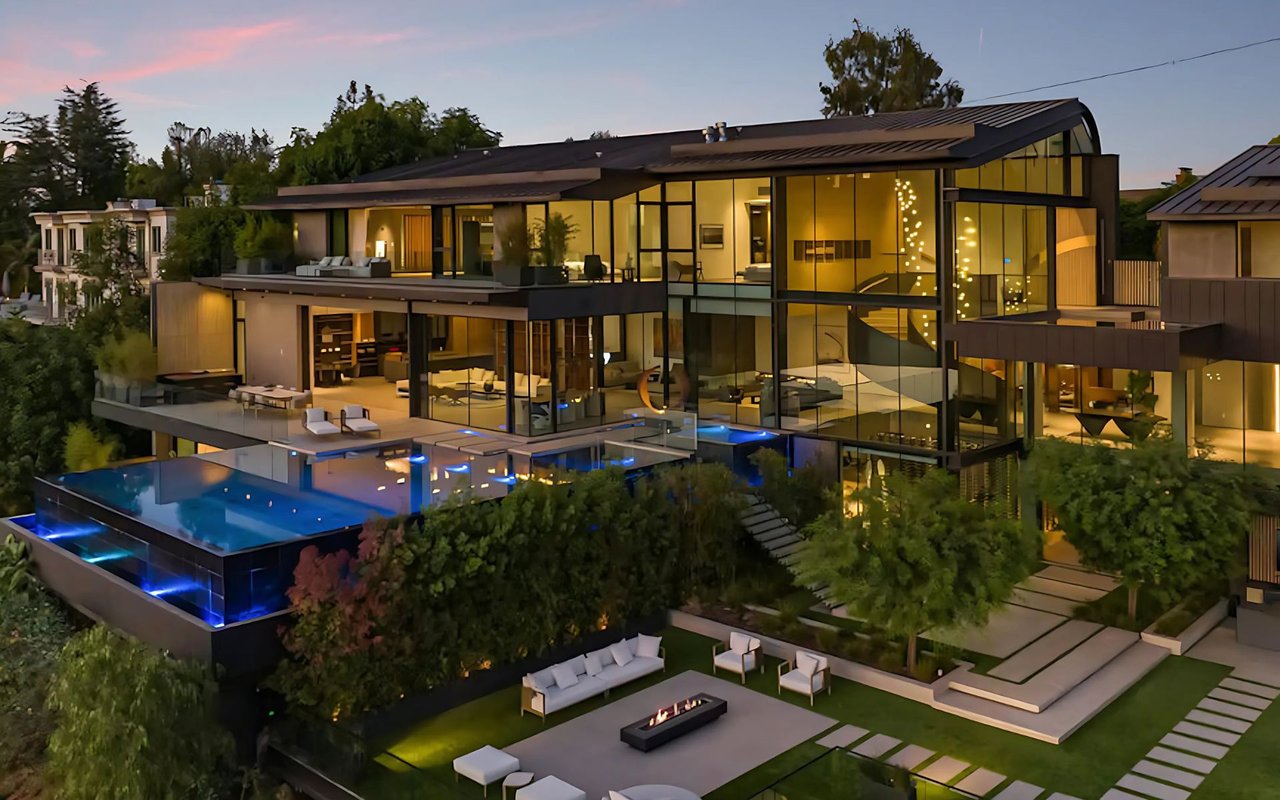
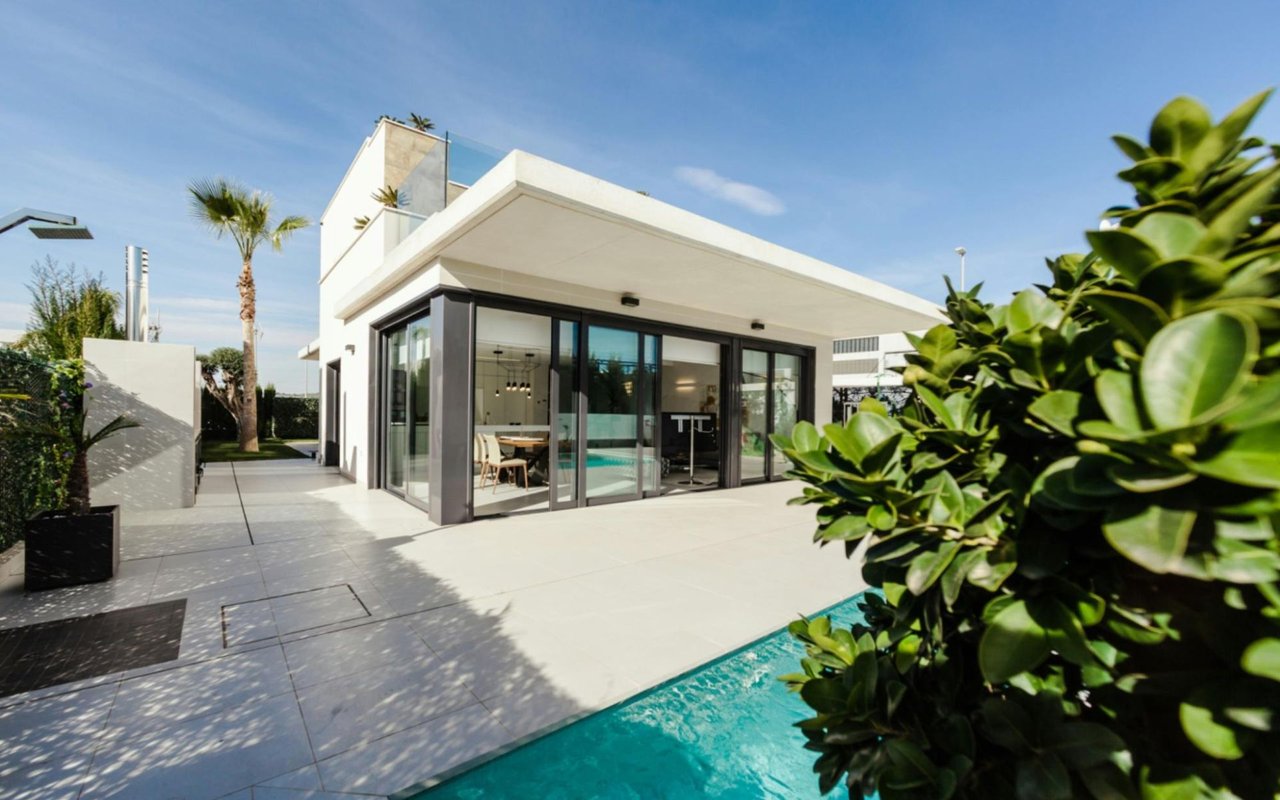
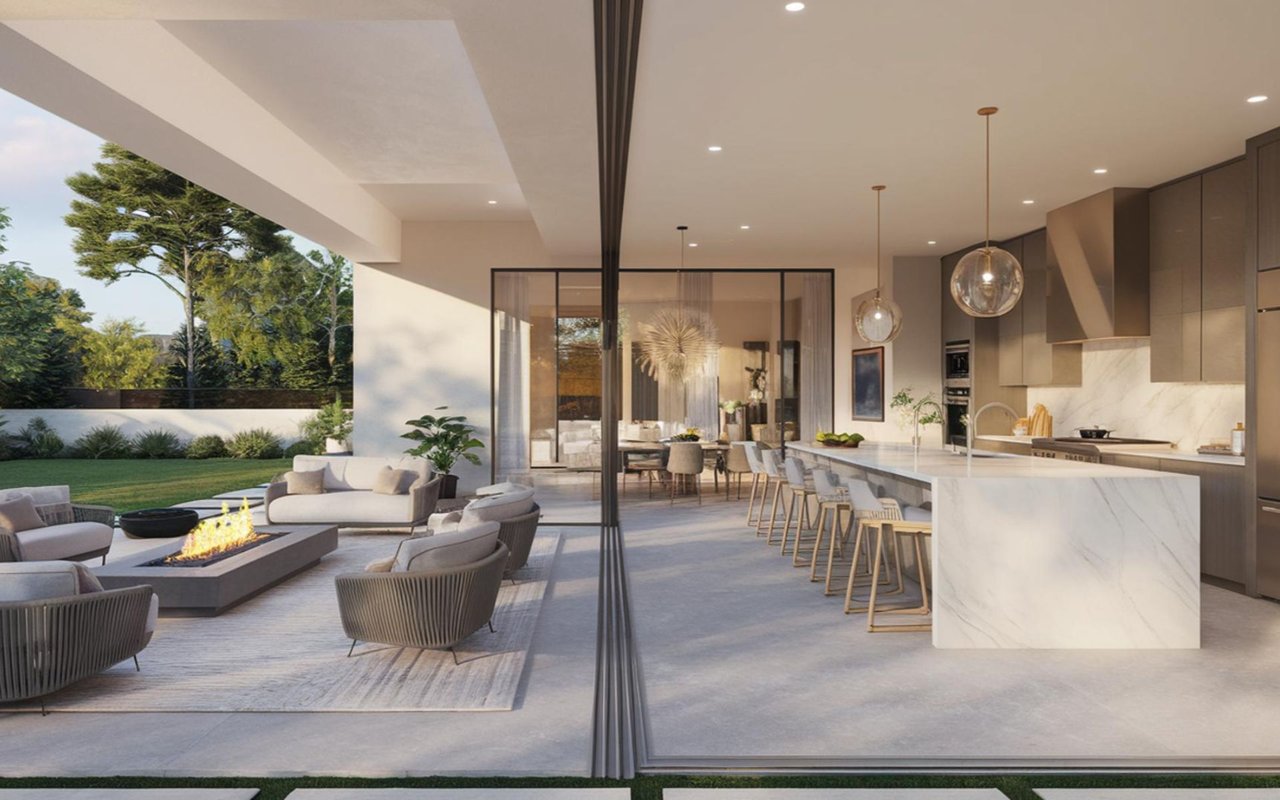
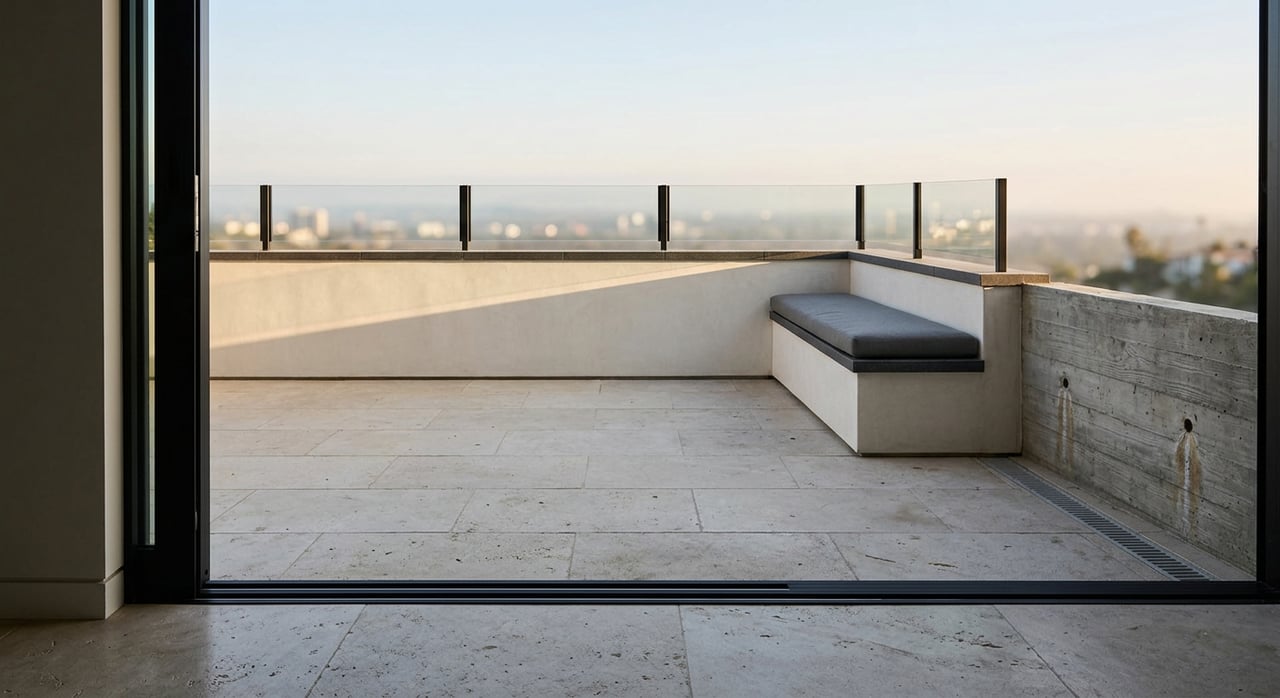
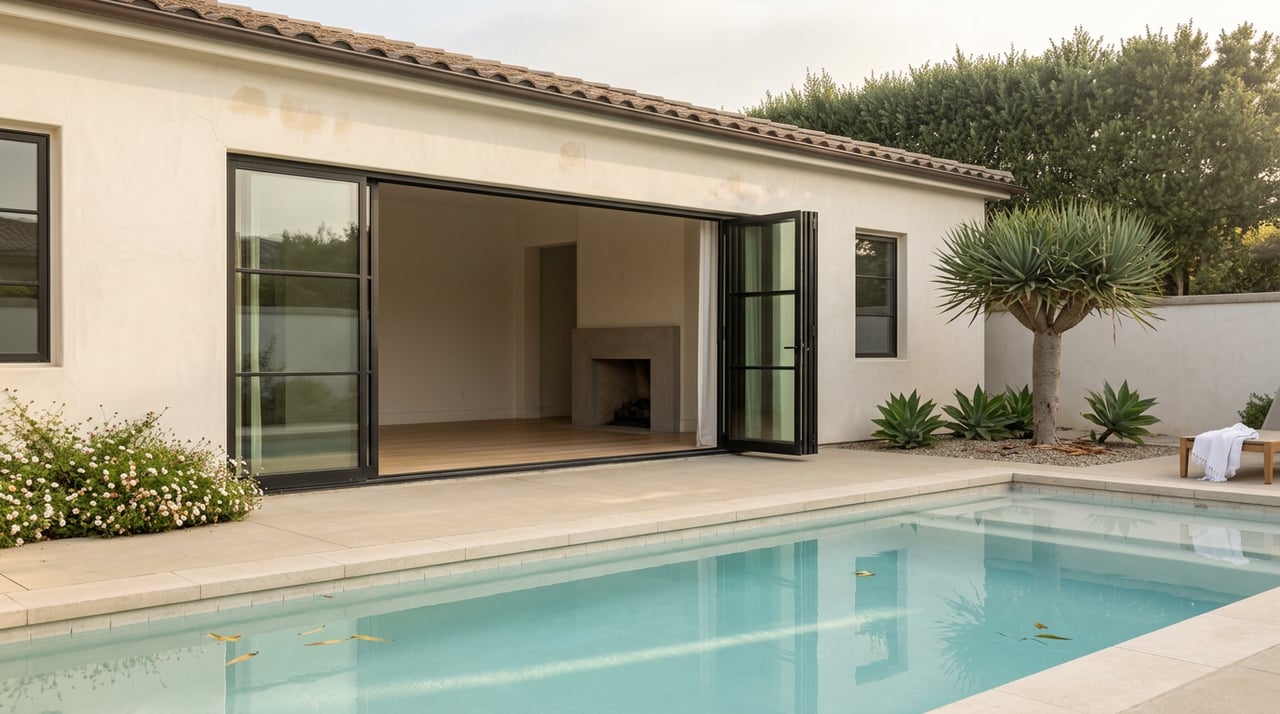
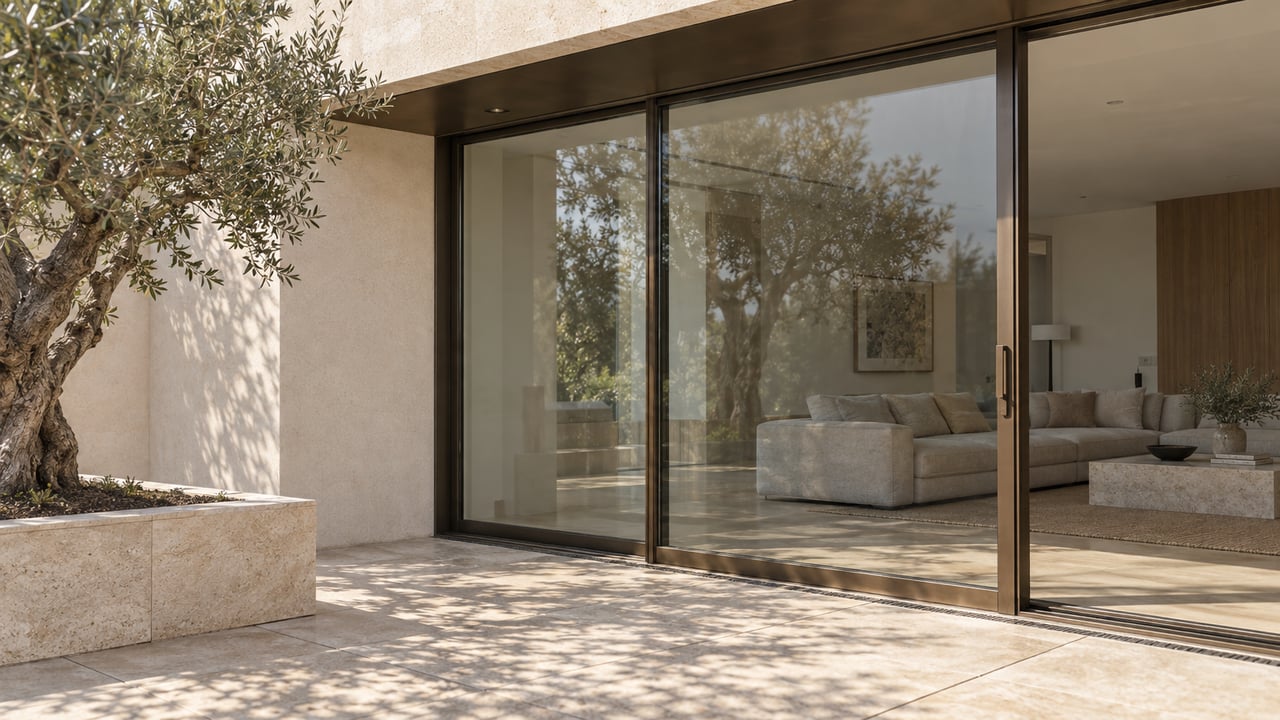
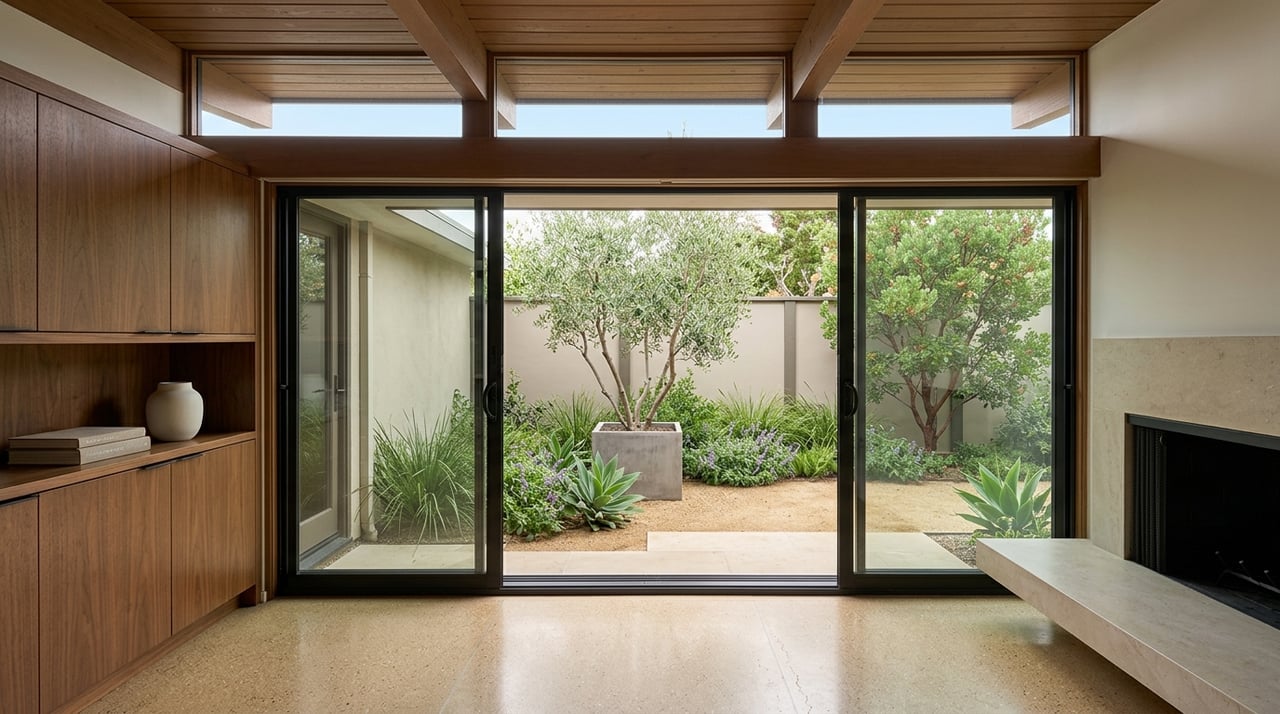
Postwar modernism forms a second major design chapter in Los Feliz. City Planning describes Mid-Century Modern homes as using open floor plans, minimal interior walls, abundant glazing, horizontal massing, flat or low-pitched roofs with overhanging eaves, simple geometric volumes, and unornamented walls that blur the line between indoors and outdoors.
In Los Feliz, that language often takes full advantage of hillside sites. City records and historic reports point to houses and districts where garden glass walls, open living areas, and broad outlooks connect the home directly to Griffith Park, the basin, and the surrounding slopes.
What Mid-Century Living Offers
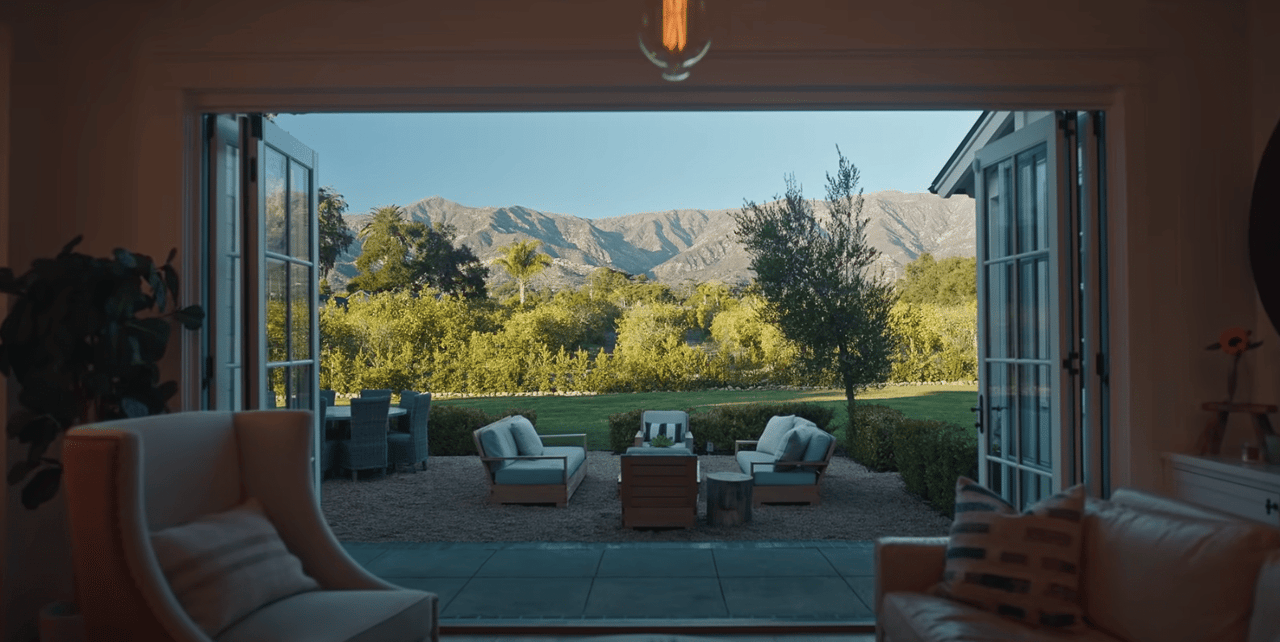
If your idea of luxury is openness, light, and strong indoor-outdoor flow, Mid-Century Modern homes may feel especially compelling. These properties often prioritize shared living spaces, terraces, and view orientation over traditional compartmentalized layouts.
The tradeoff is practical as well as aesthetic. On steeper lots, you may get dramatic outlooks and a strong relationship to the landscape, but less conventional yard space than you would find in flatter parts of Los Angeles.
Craftsman Details Still Matter
Los Feliz is also home to smaller-scale early twentieth-century architecture that adds texture to the neighborhood story. The LA Conservancy identifies Walt Disney’s first Los Angeles home in Los Feliz as a 1914 Craftsman bungalow, and National Park Service style references describe Craftsman houses by their low-pitched roofs, wide eaves, exposed rafters, and tapered porch supports.
For a design lover, this is an important reminder. Los Feliz charm is not limited to grand estates or dramatic modern homes. It also lives in the clarity of well-preserved domestic architecture at a more intimate scale.
Courtyard Apartments and Multi-Family Design
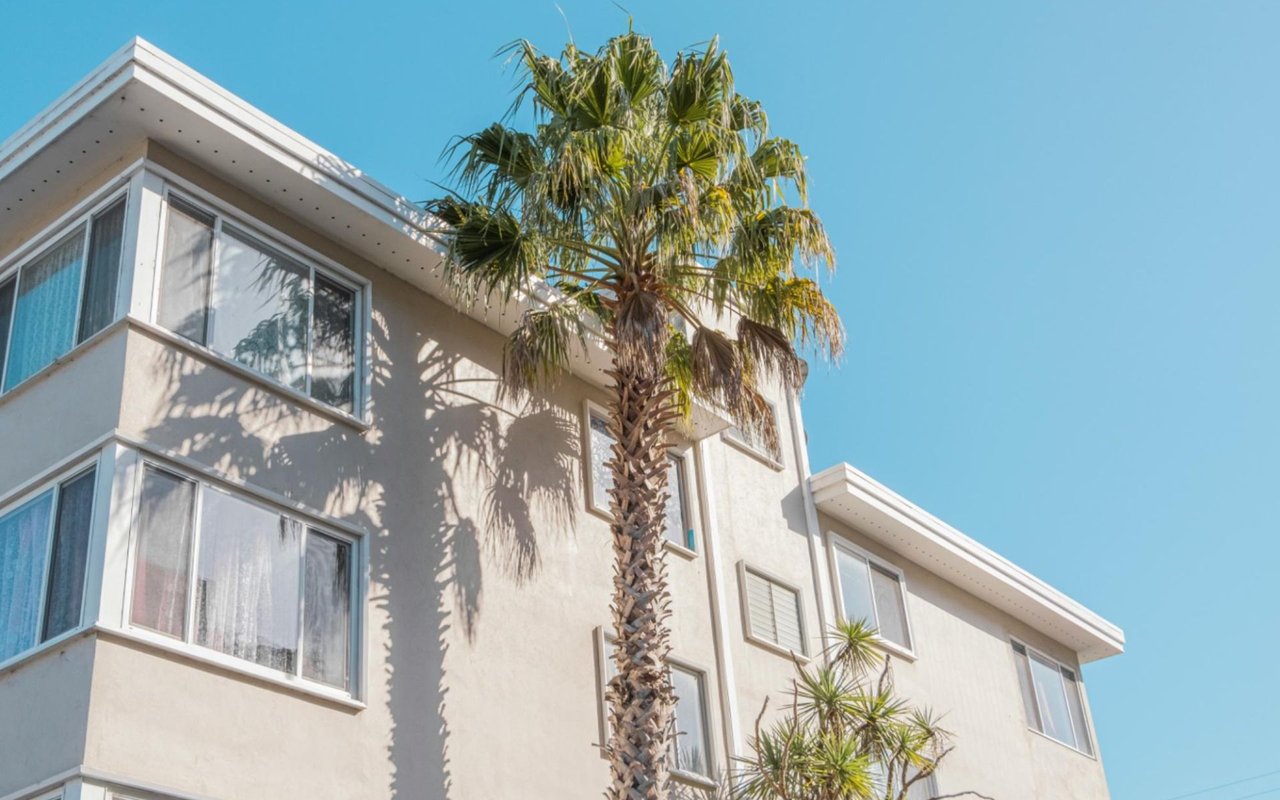
A true architectural tour of Los Feliz should also include its multi-family housing. The Los Feliz Boulevard corridor and Los Feliz Square include apartment houses, courtyard apartments, and garden apartments, with recognized styles ranging from Mediterranean Revival and Spanish Colonial Revival to Streamline Moderne, Minimal Traditional, and Mid-Century Modern.
These buildings bring a different kind of design appeal. Instead of grand private compounds, they often center on setbacks, shared courtyards, and urban form, offering a more layered streetscape and a broader view of how design shaped the neighborhood.
Why This Matters for Buyers
If you are considering a condo, lease, or investment-oriented property in the area, this architectural layer matters. It shows that Los Feliz design value is not limited to single-family estate homes, and that the neighborhood’s identity includes well-composed multi-family buildings with strong period character.
For clients who think in both lifestyle and long-term value, that wider lens can be useful. Good architecture in Los Feliz appears in more than one housing type.
Hollyhock House and Local Design Anchors
No design-focused look at Los Feliz is complete without Hollyhock House. The Los Angeles Conservancy describes it as an extraordinary early expression of Southern California architecture, located on Olive Hill in Los Feliz, and notes that it is Los Angeles’s only UNESCO World Heritage site.
Nearby landmarks also reinforce the neighborhood’s larger architectural context. Griffith Park connects Los Feliz to a major landscape legacy, and the Samuel-Novarro Residence, designed by Lloyd Wright in 1928, adds another important point of reference for buyers who care about design history.
Preservation and Ownership in Los Feliz
In Los Feliz, architecture is not just a visual asset. It can shape what ownership looks like in practical terms.
City materials note that in Historic Preservation Overlay Zones, new work must complement historic character, and exterior projects such as landscaping, alterations, additions, and new construction are subject to review. Some HPOZ properties may also be eligible for Mills Act property-tax relief.
Questions to Ask Before You Buy
If you are considering a historic or architecturally significant home, it helps to ask a few practical questions early:
- Is the property located in an HPOZ or another recognized historic district?
- Have prior exterior changes already been reviewed and approved?
- What improvements are you hoping to make after closing?
- Does the site’s slope affect access, outdoor use, or future plans?
- Is the home’s design value tied mainly to style, architect, district status, or all three?
These are not reasons to avoid historic housing. They are simply part of buying thoughtfully in a neighborhood where design pedigree matters.
How to Tour Los Feliz Like a Design Lover
When you visit Los Feliz, slow down and look at more than curb appeal. Pay attention to how the house meets the street, how it responds to the slope, and whether the outdoor spaces feel enclosed, expansive, terraced, or view-driven.
Inside, think about how the architecture supports daily life. A Spanish Colonial Revival home may offer defined rooms and courtyard privacy, while a Mid-Century Modern home may emphasize openness and glass. Neither is better across the board. The right fit depends on how you want to live.
The Takeaway on Los Feliz Luxury Architecture
What makes Los Feliz special is the way architecture, landscape, and preservation all work together. This is a neighborhood where you can find Spanish Colonial Revival estates, architect-designed Period Revival houses, postwar modern view homes, Craftsman-era charm, and multi-family courtyard buildings within one broader design ecosystem.
For luxury buyers, that creates real opportunity. You are not simply choosing a home in Los Feliz. You are choosing a relationship to style, history, topography, and long-term stewardship.
If you are exploring architecturally significant homes in Los Angeles and want strategic guidance with a strong design lens, The Di Prizito Group, Inc. offers discreet, high-level support across the luxury market.
FAQs
What architectural styles define Los Feliz luxury homes?
- Los Feliz includes Spanish Colonial Revival, Mediterranean Revival, American Colonial Revival, Tudor Revival, Mid-Century Modern, and Craftsman architecture, along with notable multi-family courtyard and apartment building styles.
What makes Los Feliz architecture different from other Los Angeles neighborhoods?
- Los Feliz stands out for its hillside topography, architect-designed historic tracts, curving streets, mature landscaping, and the mix of prewar revival homes, modern hillside houses, and period multi-family buildings.
Are historic homes in Los Feliz subject to design review?
- Yes. City materials state that properties in Historic Preservation Overlay Zones may require review for exterior landscaping, alterations, additions, and new construction so that changes complement historic character.
Is Mid-Century Modern architecture common in Los Feliz?
- Yes. City records identify Mid-Century Modern homes and districts in Los Feliz, with features such as open plans, abundant glass, simple geometric forms, and strong indoor-outdoor connections.
Does Los Feliz only offer large estate homes?
- No. In addition to luxury estates and hillside view homes, Los Feliz also includes Craftsman bungalows, apartment houses, courtyard apartments, and other multi-family housing with strong architectural character.