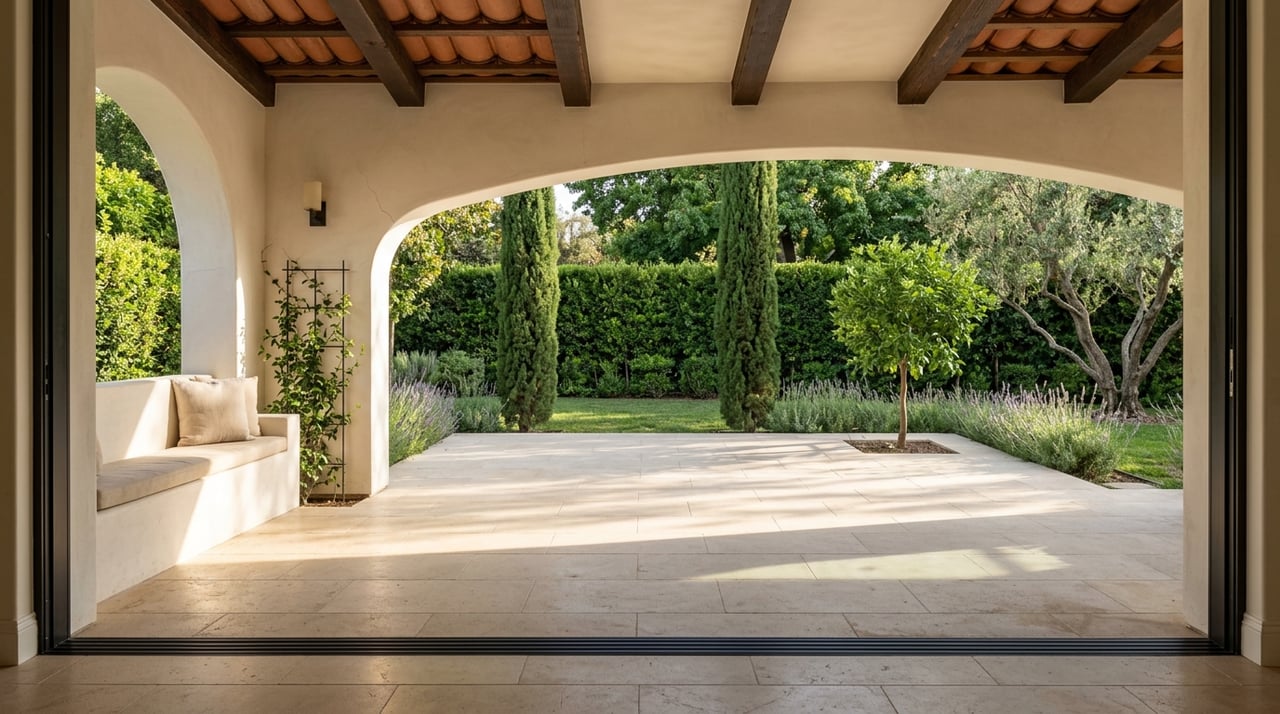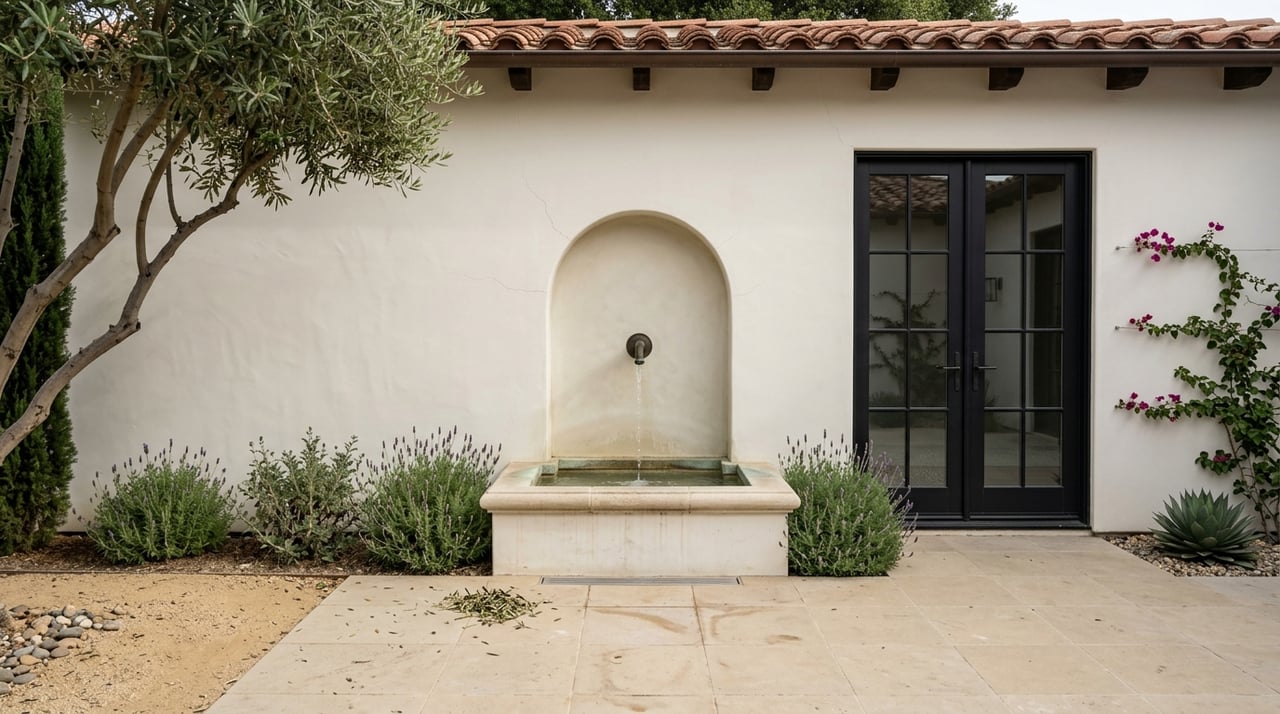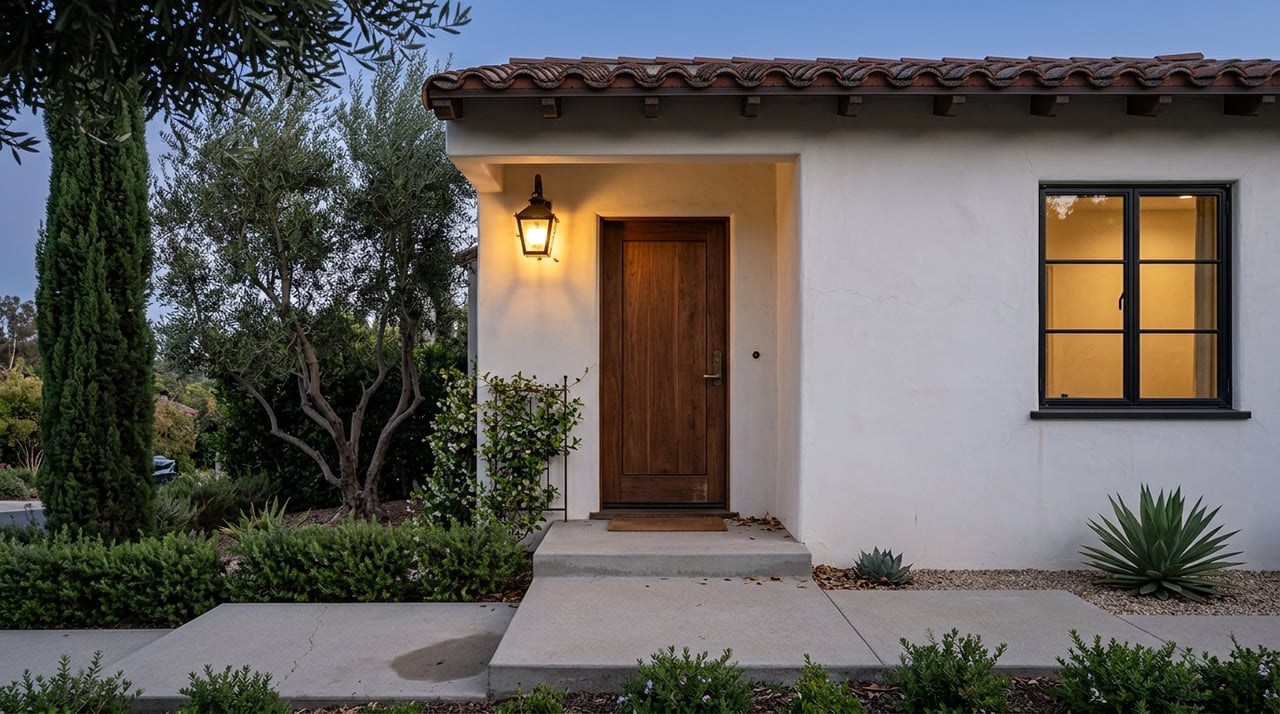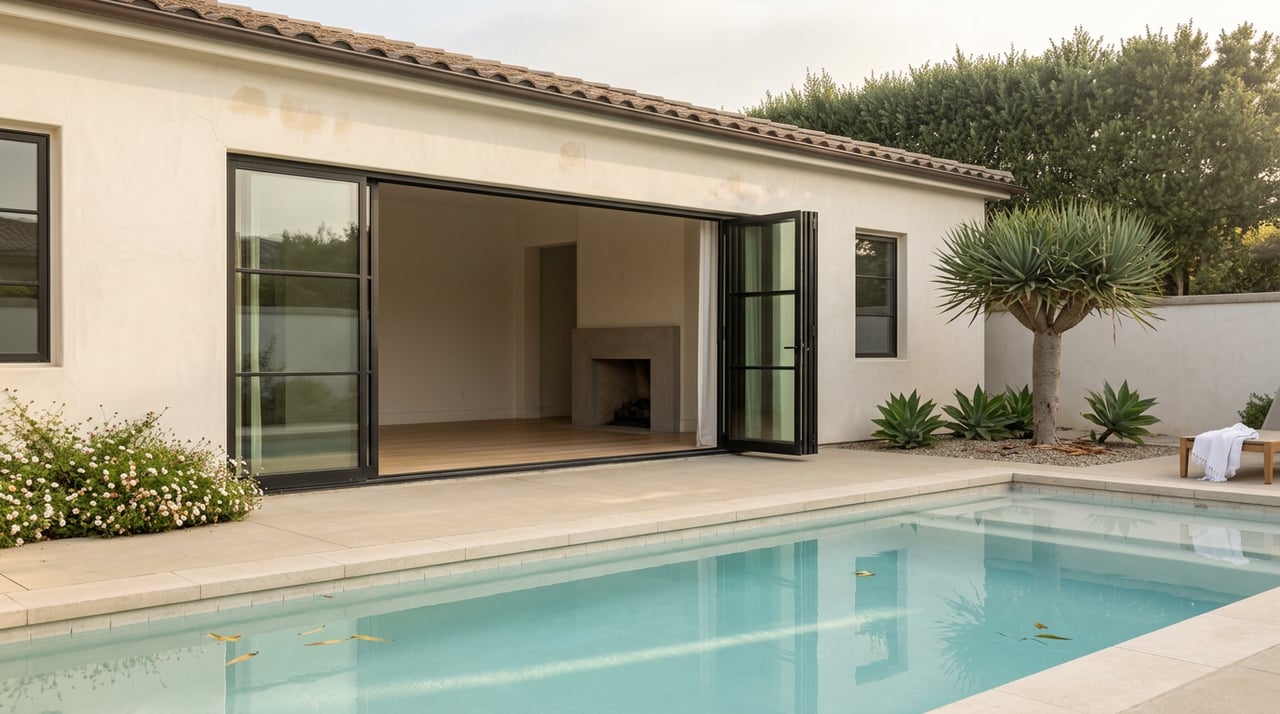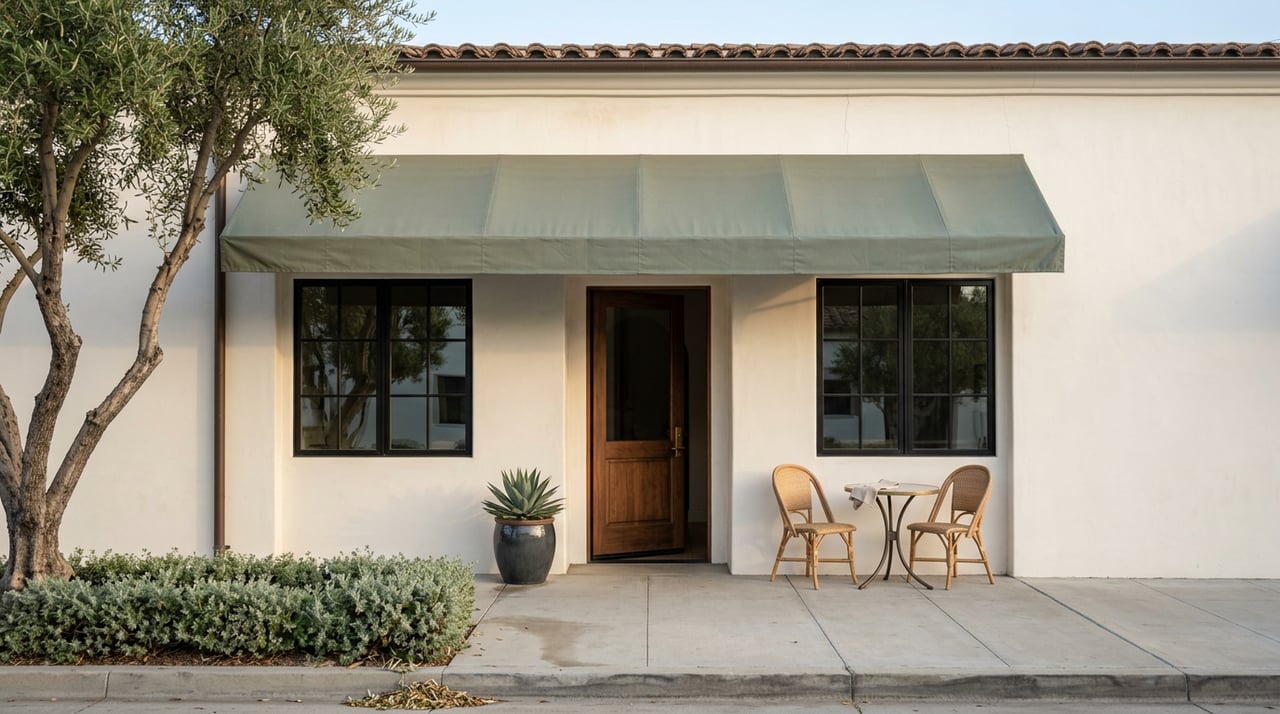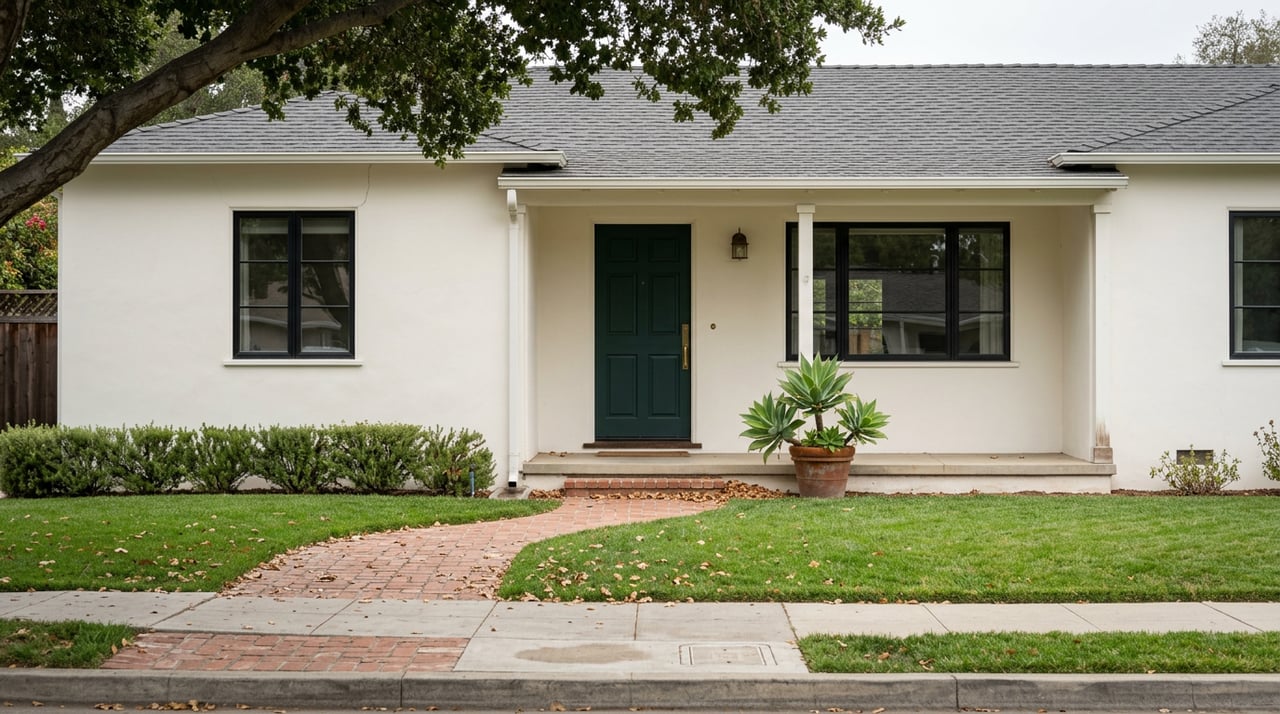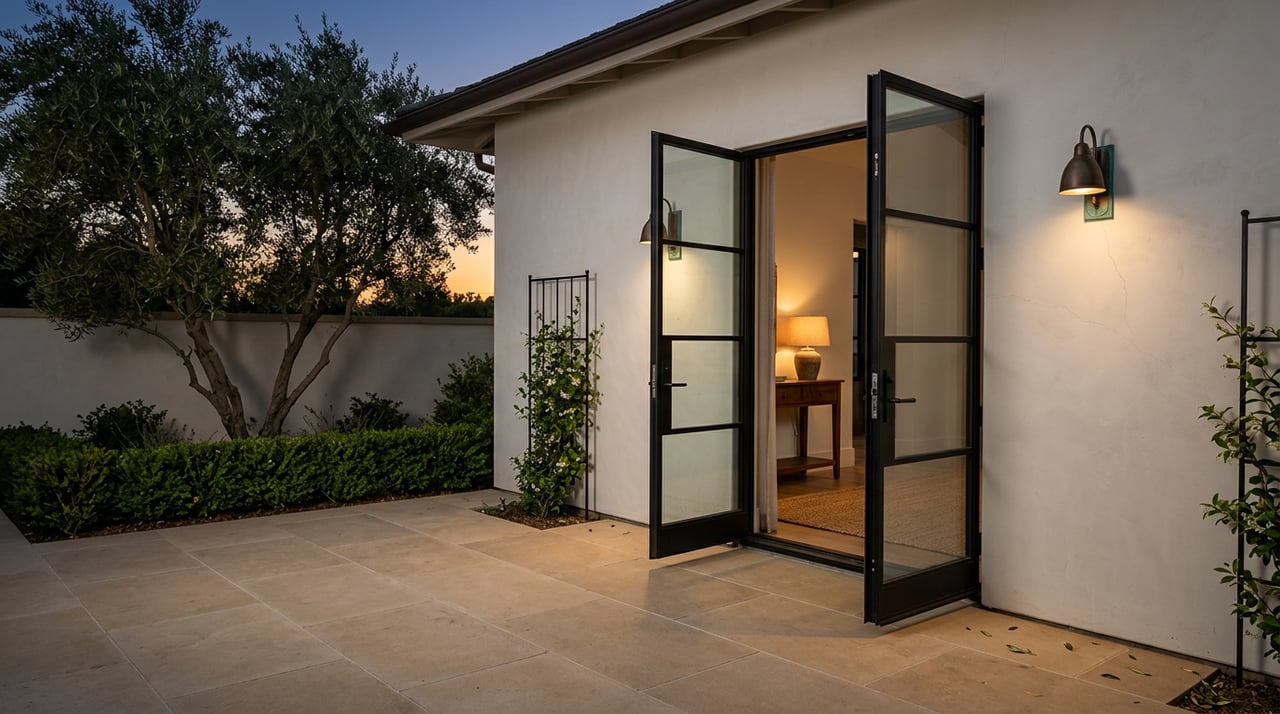
What makes Bel Air so tricky for even serious buyers? It is not just the price point or the privacy. It is the fact that Bel Air is not one uniform neighborhood, and treating it like one can lead you to the wrong street, the wrong lot, or the wrong daily living experience. If you are buying with intention, you need to understand how Bel Air breaks into smaller micro-markets and what those differences actually mean when you tour homes. Let’s dive in.
Why Bel Air Is Not One Market
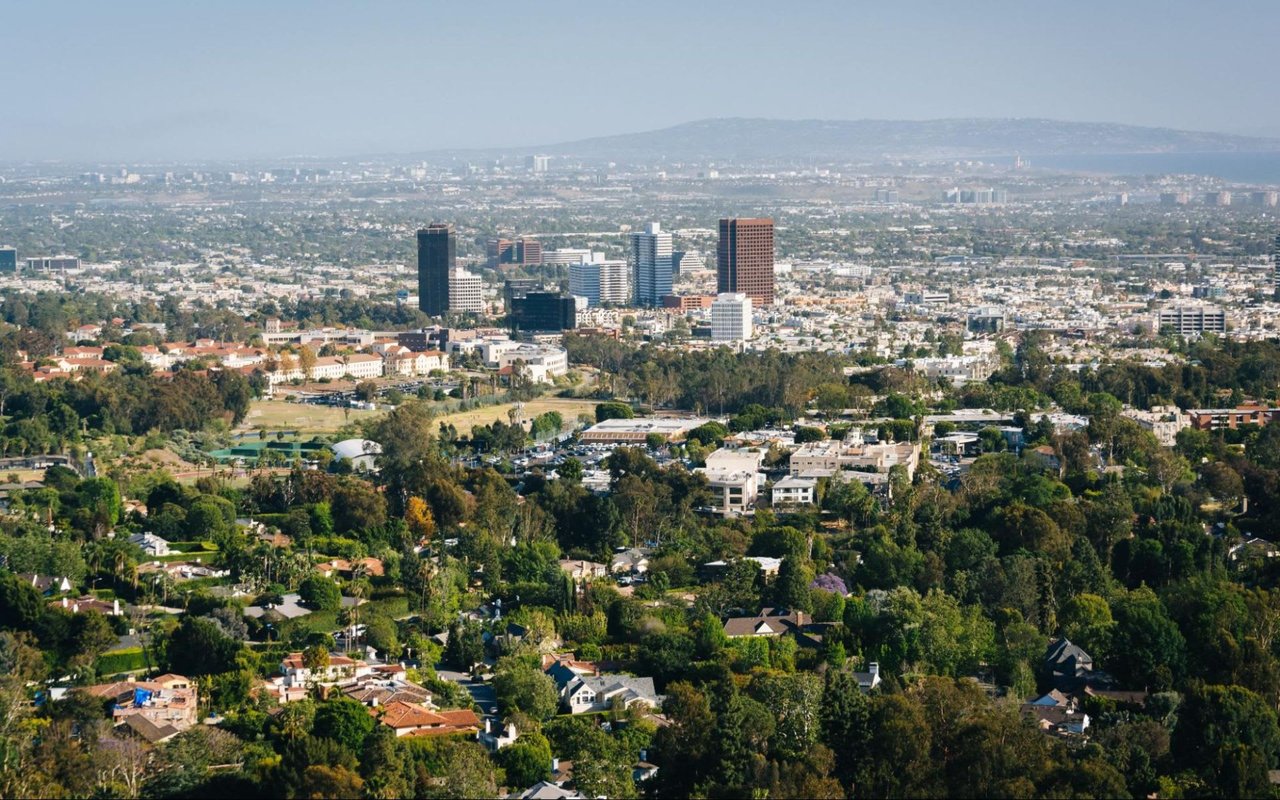
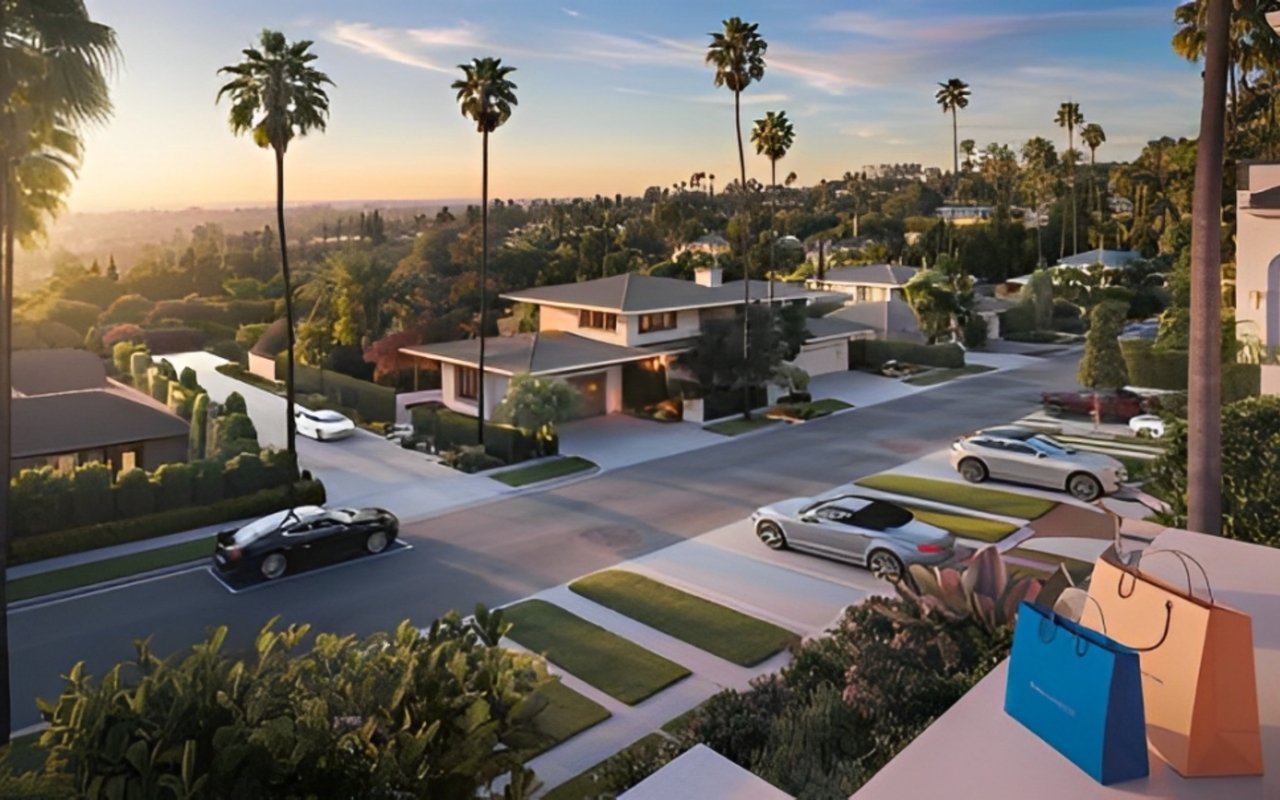
Bel Air sits within the City of Los Angeles Bel Air-Beverly Crest Community Plan area, a large hillside estate district that stretches roughly from south of Mulholland Drive to north of Sunset Boulevard, east of the 405 corridor, and west toward Beverly Hills and Laurel Canyon/Wonderland Drive. The plan area covers about 9,900 acres, which tells you right away that this is a broad area with very different pockets.
That bigger planning picture matters because Bel Air has long been shaped by smaller estate districts rather than a standardized housing pattern. SurveyLA identifies places like the East Gate, West Gate, Bel Air Estates, Stone Canyon Road, Bel Air Country Club, and Hotel Bel Air as distinct resources or districts. For a buyer, that means the right question is not simply, “Do I want Bel Air?” It is, “Which part of Bel Air fits the way I want to live?”
East Gate and Original Bel Air Estates
The East Gate sits at Bel Air and Sunset and dates to 1924. It is tied to the original subdivision, and the original Bel Air Estates planning district follows the 1922 subdivision pattern, generally bounded by Nimes Road, Sunset Boulevard, Beverly Glen Boulevard, and both sides of Bel Air Road.
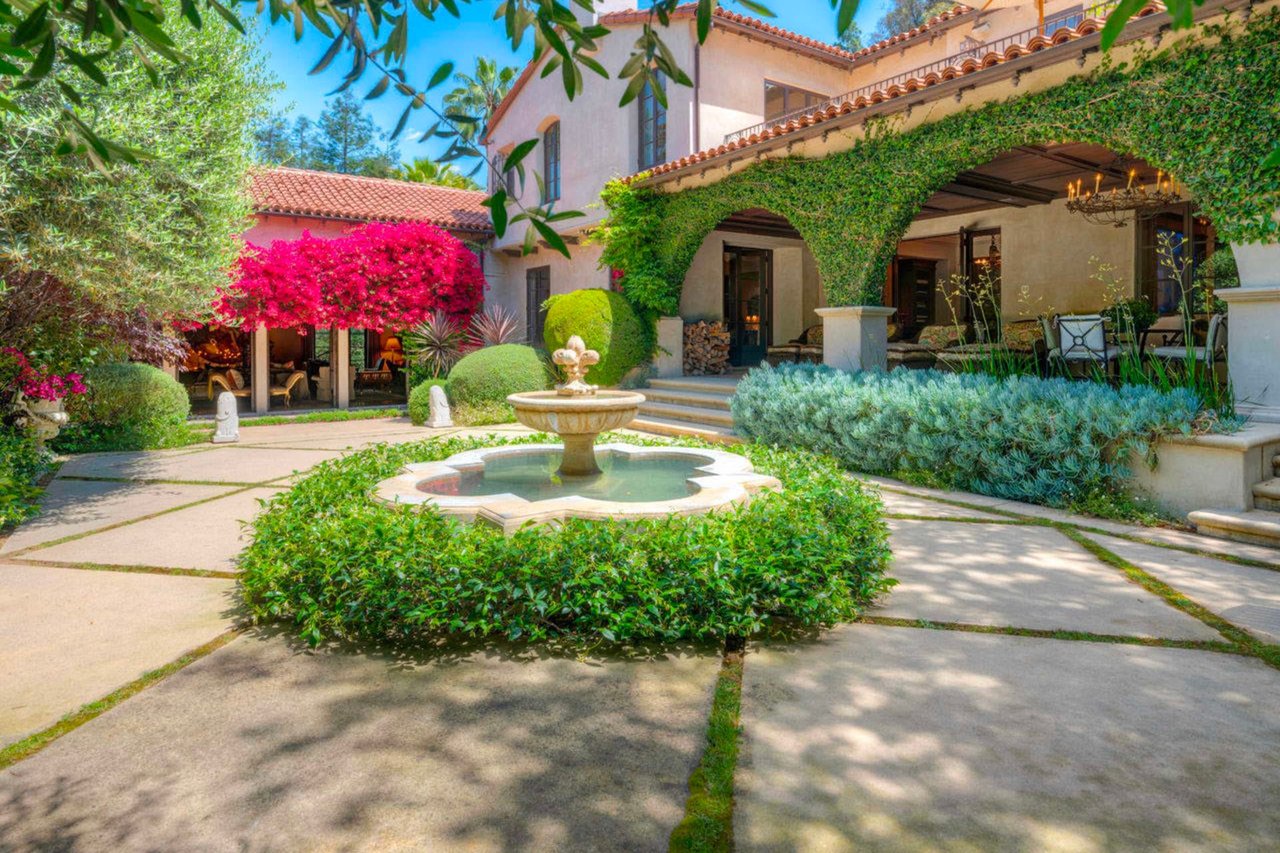
This area is closely tied to Bel Air’s earliest estate identity. SurveyLA describes more than 80 expansive and irregular parcels, winding streets shaped by the terrain, privacy walls or hedges with gates, mature vegetation, and narrow streets without sidewalks. It also notes that the lot pattern has changed over time through teardowns, rebuilds, and lot combinations.
For many buyers, this is where provenance carries real weight. SurveyLA points to a concentration of architect-designed homes by Paul R. Williams, Wallace Neff, and Roland E. Coate, along with high-quality early American Colonial Revival, Mediterranean Revival, and Spanish Colonial Revival work by architects including Gerard Colcord, John Byers, and Edla Muir.
What East Gate Often Means for Buyers
If you are drawn to original Bel Air history, larger legacy parcels, and a more formal estate setting, this pocket may feel especially compelling. The combination of older subdivision roots, mature landscaping, architect pedigree, and evolving lot patterns can create a very specific buying opportunity.
It can also require a more careful eye. A property here may offer a strong sense of privacy and presence, but you still need to look closely at how the lot has changed over time, how much land is truly usable, and how the home relates to the street and topography.
West Gate and Stone Canyon
The West Gate is located at Bellagio and Sunset and is also tied to the original subdivision, dating to 1924. On this side of Bel Air, the Stone Canyon Road Residential Historic District is one of the clearest examples of a defined micro-market.
SurveyLA describes Stone Canyon as a district of 60 single-family homes along a gently winding road and nearby cul-de-sacs. The streetscape includes irregular lots, historic street lamps, no sidewalks, and a notable concentration of period-revival homes, mostly in American Colonial Revival and Cape Cod styles. The district’s period of significance runs from 1932 to 1954, and architects named in the survey include Wallace Neff, Cliff May, H. Roy Kelley, and Gerard Colcord.
What West Gate Often Means for Buyers
Compared with areas that may feel more mixed in architectural direction, Stone Canyon can read as more cohesive and historically intact. The consistent streetscape, preserved feel, and concentration of period-revival homes may appeal to buyers who value continuity and a lane-like estate environment.
In practical terms, this can create a different emotional experience from some other parts of Bel Air. Instead of feeling like a blank slate for redevelopment, parts of this corridor may feel more rooted in a specific architectural story and street character.
The Country Club Area
Bel Air Country Club sits on Bellagio Road, north of Sunset Boulevard, east of Sarbonne Road, and west of Stone Canyon Road. SurveyLA states that the club occupies nearly 40 acres and includes an 18-hole course, clubhouse, four tennis courts, a surface parking lot, and a Bellagio Road entrance with a gatehouse. It was founded in 1927 and formed part of the original amenity vision for Bel Air.
The setting around the club shapes this pocket in a different way. SurveyLA notes that the club is surrounded by mature vegetation and single-family residences and is not fully visible from the public right-of-way. It also identifies Hotel Bel Air nearby on Stone Canyon Road as a rare commercial property within an otherwise residential setting.
What Country Club Adjacency Means
For buyers, country club adjacency can influence daily rhythm more than you might expect. Depending on the exact location, you may want to think about access patterns, surrounding views, nearby activity tied to club use, and how the property sits in relation to roads and entry points.
This does not make the area better or worse. It simply makes it different. Buyers who understand that distinction early tend to ask sharper questions and compare homes more effectively.
Privacy and Lot Character Matter
One of the defining features across Bel Air Estates is privacy. SurveyLA says many properties are screened by walls or hedges and can be difficult to evaluate from the public right-of-way.
That level of screening is part of Bel Air’s appeal, but it also changes how you should assess a property. A home can appear modest from the street and unfold into a far more substantial estate inside, or it can present beautifully at the gate while offering less usable outdoor space than expected.
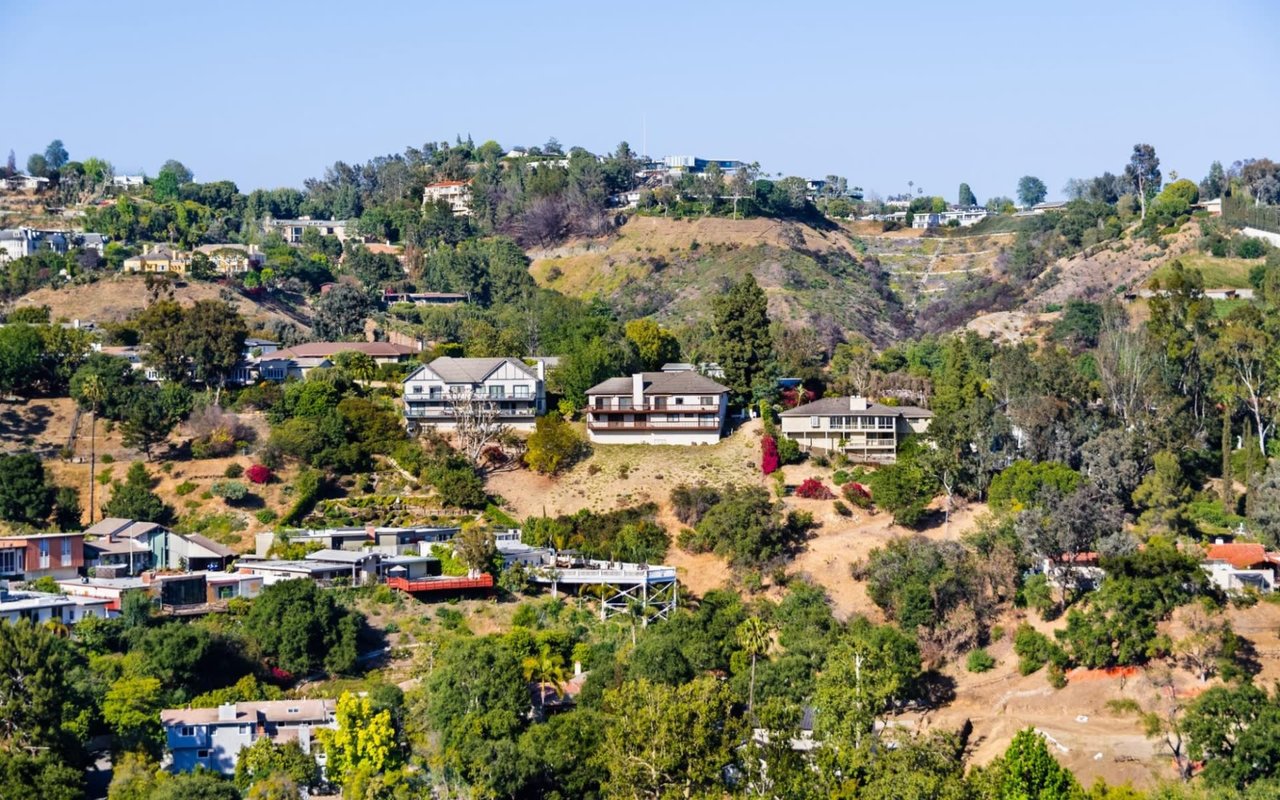
SurveyLA also describes a mix of steep-to-flat topography, large lawns and gardens, pools, tennis courts, and a pattern in which smaller parcels have sometimes been absorbed into adjoining properties to create larger homesites. For buyers, that means lot size on paper is only the start of the story.
Questions to Ask About the Lot
When you tour Bel Air, these questions can help you move beyond surface impressions:
- Is the property in the original 1922 Bel Air Estates tract, the Stone Canyon extension, or another Bel Air pocket?
- How much of the lot is usable, and how much is slope?
- Has the parcel been combined from smaller lots?
- How visible is the home from the public street?
- Are there gates, shared drives, or club-adjacent access points that affect day-to-day use?
Stewardship Shapes the Experience
Bel Air is not only about architecture and lot size. It is also about how the neighborhood is managed over time. The Bel-Air Association, operating since 1942, focuses on issues such as crime prevention, street and landscaping maintenance, emergency preparedness, security, and architectural integrity.
For a buyer, that is an important signal. In a market where streetscape, privacy, and presentation carry real weight, neighborhood stewardship can play a meaningful role in how a property feels today and how the broader setting is maintained over time.
Why Off-Market Inventory Matters in Bel Air
Bel Air is a privacy-driven market, so public listings may not tell the whole story. Some properties are marketed privately before reaching broad public exposure, and serious buyers often benefit from asking directly whether there are off-market or quietly circulated opportunities worth considering.
This matters for two reasons. First, it helps you understand the full range of available options in a very limited and segmented market. Second, it gives you better context for value, especially when comparing homes across East Gate, West Gate, Stone Canyon, or country club-adjacent streets.
How Serious Buyers Should Compare Bel Air Homes
The smartest Bel Air buyers compare homes by micro-market, not just by price or square footage. Two estates with similar headline numbers can offer very different experiences depending on original tract location, lot shape, privacy screening, topography, and surrounding street character.
A simple framework can help:
| Micro-market | What stands out |
|---|---|
| East Gate / Original Bel Air Estates | Original subdivision roots, larger irregular parcels, mature landscaping, strong architect pedigree, formal estate feel |
| West Gate / Stone Canyon | More cohesive historic streetscape, period-revival architecture, preserved lane-like character |
| Country Club Area | Club adjacency, different access patterns, distinct daily rhythm, mature setting near institutional amenities |
When you look through that lens, Bel Air becomes much easier to read. You stop shopping the name alone and start evaluating the details that shape long-term satisfaction.
The Real Bel Air Advantage
The real advantage in Bel Air is not simply gaining entry into a famous address. It is understanding which pocket aligns with your priorities, whether that means historic provenance, architectural continuity, stronger privacy, or a specific kind of lot and approach.
That is why local nuance matters so much here. In Bel Air, value is highly submarket-specific, and the official city surveys make clear that each micro-area carries its own architectural and spatial logic. The more clearly you understand those differences, the more confidently you can buy.
If you are exploring Bel Air and want a more strategic view of its estate pockets, off-market opportunities, and property-by-property tradeoffs, connect with The Di Prizito Group, Inc. for discreet, informed guidance.
FAQs
What are the main Bel Air micro-markets buyers should understand?
- The most important distinctions in this article are East Gate and the original Bel Air Estates, West Gate and the Stone Canyon corridor, and the area around Bel Air Country Club.
What makes East Gate Bel Air different from other parts of Bel Air?
- East Gate is closely tied to the original 1922 Bel Air Estates subdivision and is known for expansive irregular parcels, winding streets, mature landscaping, privacy screening, and a strong concentration of architect-designed historic homes.
What makes Stone Canyon in Bel Air stand out to buyers?
- Stone Canyon stands out for its more cohesive historic character, period-revival homes, gently winding road pattern, and relatively intact streetscape within the West Gate side of Bel Air.
Why does country club adjacency matter in Bel Air?
- Homes near Bel Air Country Club can have a different daily experience shaped by access patterns, surrounding views, nearby activity, and the way the property relates to club entrances and nearby roads.
Why should Bel Air buyers ask about usable lot area?
- SurveyLA notes that Bel Air includes steep-to-flat topography and changing parcel patterns, so total lot size may not reflect how much outdoor space is practical or usable.
Are off-market opportunities important in the Bel Air luxury market?
- Yes. Because Bel Air is a privacy-driven market, serious buyers should ask whether there are off-market opportunities that could expand their options beyond publicly listed inventory.