"We see you, we hear you, and we want to invest in you." That's Vice Mayor Danny Hang, according to WeHo Online, addressing the businesses along Sunset Boulevard the night the West Hollywood City Council approved up to $4.69 million to bring back a music festival that hasn't run since 2014. It's the kind of line that sounds like momentum. If you live along the Strip, though, the more useful question is what's actually changed on the ground since then, and what hasn't.
Here's the pattern worth noticing this fall: the music festival is a one-day event happening a little over a month from now. The 8850 Sunset redevelopment still doesn't have a demolition date. And restaurants are opening their doors and filling their dining rooms right now.
A Festival Funded With Reserve Funds, Not Dues
The Sunset Strip Music Festival ran annually from 2008 to 2014, staging club sets at Whisky a Go Go, the Roxy and the original Viper Room alongside a street festival that closed the boulevard. It drew acts like the Smashing Pumpkins and Linkin Park at its peak. It also lost $1.045 million in its final year, left unpaid bills behind, and ended in a lawsuit that led the city to dissolve the business group that had run it.
Twelve years later, the council decided to try again, but on different terms. On April 6, members voted 3-2 to hand the job to a producer, JJ-LA, whose principal Jeff Consoletti also runs the OUTLOUD Music Festival at WeHo Pride. Mayor John Heilman, Hang, and Councilmember Lauren Meister voted yes. Councilmembers John Erickson and Chelsea Byers voted no, not because they opposed a festival in principle, but because they weren't sure six months was enough runway to book real talent and because an October 17 date lands two weeks before the Rainbow District's Halloween Carnaval closes Santa Monica Boulevard on October 31, meaning West Hollywood residents get two separate major street closures inside the same month.
The money itself tells you how this revival differs from the original. The council approved $3.69 million outright, from unbudgeted General Fund reserves rather than sponsorships or business association dues, with an additional $1 million available if the producers land major talent.
| 2008-2014 Original | 2026 Revival | |
|---|---|---|
| Run length | Seven consecutive years | One Saturday, first attempt |
| Footprint | Multi-day, multiple clubs plus street stage | Single day, Sunset Blvd between San Vicente and Doheny |
| Funding source | Business association, sponsorships | City General Fund reserves |
| Peak attendance | Roughly 8,000 | Footprint holds 10,000 to 12,000 |
| How it ended | $1.045M loss in final year, lawsuit, dissolved association | Not yet run |
If you're planning your October around this, expect the boulevard itself to close for the day between San Vicente and Doheny. Whether it becomes an annual fixture again depends on what happens after the first one, which is exactly what Byers pushed back on during the vote: a single data point doesn't tell you much about a multi-year trend.
8850 Sunset Still Awaits Construction
Ask anyone who's followed Sunset Strip development for the last few years what would really signal the neighborhood turning a corner, and most point to the same address: 8850 Sunset, the block that holds the Viper Room. Silver Creek Development has owned the site for years and has cycled through multiple design concepts before the city, at one point drawing over 87 public speakers to a single Planning Commission meeting that ran past 3 a.m.
The project finally received its entitlements from the city in August 2024. As currently approved, it calls for an 11-story, roughly 269,000-square-foot building with a 90-room hotel, 88 residential units including 16 set aside as affordable housing, ground-floor restaurants wrapped around a rebuilt Viper Room, and a rooftop pool deck. Managing director Charles Essig has said the goal is to keep the club's grunge identity intact even as the surrounding block becomes glass and greenery.
Money did move. The developer closed a $71 million predevelopment loan from Centennial Bank and Crestline Investors, financing that pulled the project back from the edge of auction and let it survive long enough to reach this stage. But as of the most recent reporting on the project late last year, no demolition permit had been pulled and no construction start date had been announced, even with entitlements in hand. City paperwork estimates roughly three years of construction once ground actually breaks, and the developer is now telling reporters he's aiming for a 2029 opening, still without a firm date for when demolition itself begins.
That gap between "approved" and "under construction" matters in the Strip's redevelopment cycle. Financing, design revisions, and public hearings can eat years even after a project clears every regulatory hurdle it needs. If you're weighing how a stalled marquee project near you affects the block, the Viper Room case is the local example: entitled doesn't mean imminent.
What's Actually Reopening While You Wait
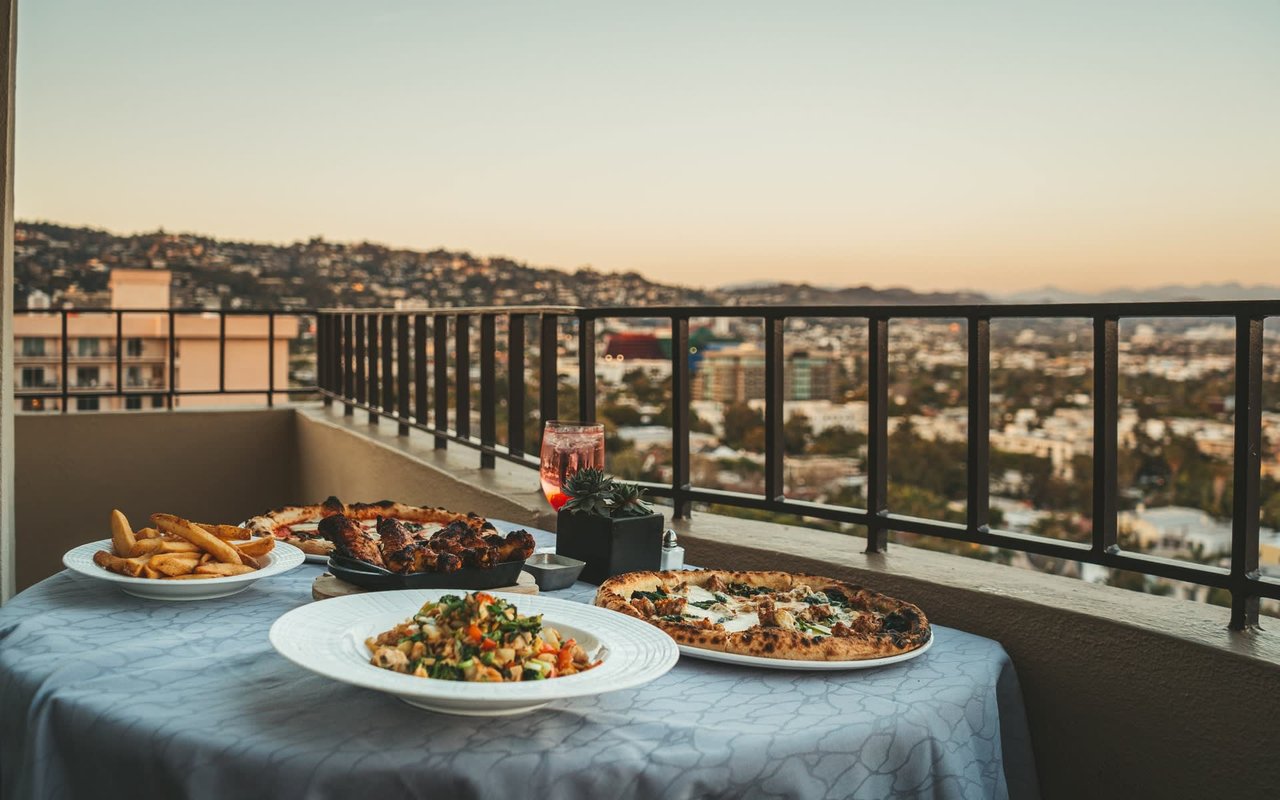
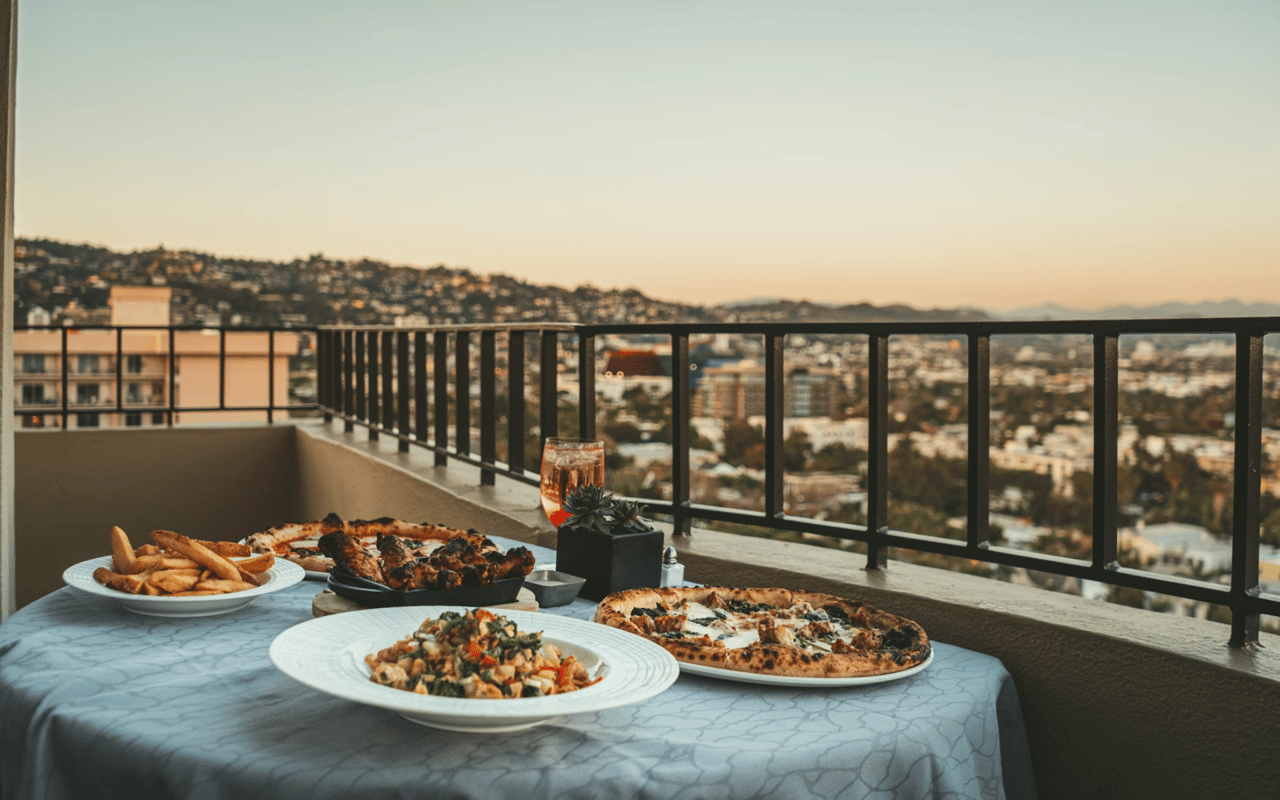
While the festival is still a little over a month out and the tower is still years out, the restaurant scene has moved on its own clock, and it's the fastest-moving of the three.
- Little Luck, opening this fall in the former Bootsy Bellows space, is H.wood Group's first Japanese concept, led by executive chef Erik Idos. The team behind it, John Terzian and Brian Toll, also run The Nice Guy and Delilah, and they're calling Little Luck a new chapter built around craft rather than the nightclub identity the space carried as Bootsy Bellows.
- Round One, the Japanese bowling-and-arcade company, is building a 20,000-square-foot high-end food hall on the Strip meant to house satellite outposts of up to eight acclaimed Japanese restaurants, several making their U.S. debut. Exact vendors haven't been confirmed, though industry chatter points toward names like Sushi Saito and Tempura Takiya.
- Ardor, the signature restaurant inside the West Hollywood EDITION led by chef John Fraser, has already settled into the neighborhood as one of the more talked-about tables from the last few years, known for its seafood tower and milk bread.
Layer in the smaller, already-completed moment from late August: the Sunset Strip Business Improvement District, the group that has promoted businesses along the boulevard since 2002, ran its second annual Spinning Sunset vinyl and music festival on August 29 in the lower Sunset Plaza parking lot. Over 80 vendors, a beer garden, food trucks, and a classic car show turned an ordinary Saturday afternoon into a genuine draw, on a fraction of the city's festival budget.
Line these up and a pattern appears: each is moving on a different timeline. The BID's dues-funded street fair happened on schedule. The restaurants are opening on normal hospitality-industry timelines, months, not years. The city's festival received a 3-2 vote and millions in reserve funds for a single Saturday. The redevelopment everyone's watching has been through a decade, an entitlement process, and a $71 million loan, but still doesn't have a start date.
What This Means If You Live Here
None of this is a verdict on whether the Strip is "back." It's a more useful way to read what's actually moving around you this fall. If you're gauging the neighborhood's pulse by the festival alone, you're measuring a single day. If you're waiting on the Viper Room block to feel finished before you believe anything has changed, you may be waiting past 2029. Another signal is coming out of the kitchens: operators with real capital are choosing to open here right now, on their own schedule, betting on the block as it exists today rather than the one still rendered on an architect's plan.
That's worth knowing whether you're deciding where to eat next month or thinking longer term about a neighborhood that's clearly still being written. The Di Prizito Group tracks these shifts across Beverly Hills, Bel Air, and the greater Westside because understanding what's actually changing, not just what's been announced, is the difference between reacting to a market and reading it early. If you're weighing a move in or around West Hollywood and want a clearer picture of where the real momentum sits, The Di Prizito Group is a straightforward place to start that conversation.